NHS Approves First Treatment for Ultra-Rare ARG1 Deficiency
Around 20 people in England with a debilitating genetic condition can now access the first treatment that targets the root cause of their disease. The NHS will provide pegzilarginase to patients with arginase-1 deficiency after breakthrough approval.
Families affected by an ultra-rare genetic disorder finally have reason to celebrate after England's health system approved the first treatment that addresses the disease itself.
The National Institute for Health and Care Excellence has given the green light to pegzilarginase for routine NHS use. This marks a turning point for approximately 20 people in England living with arginase-1 deficiency, known as ARG1-D.
ARG1-D starts showing symptoms around age three and progressively worsens over time. Children with the condition struggle with learning difficulties, muscle stiffness, seizures, and stunted growth because their bodies can't produce a working version of arginase, an enzyme that removes toxic waste like ammonia.
Until now, families could only manage symptoms through strict protein-restricted diets and medications. There was no way to slow the disease itself.
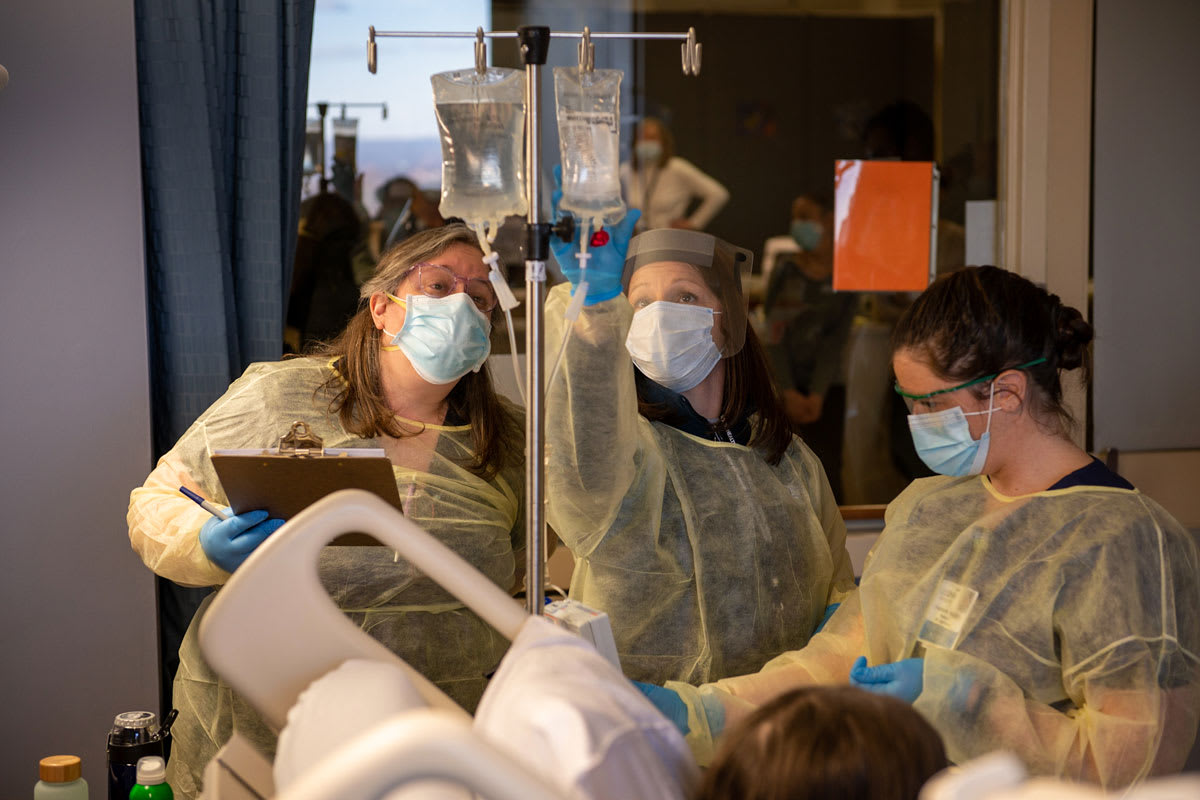
Pegzilarginase changes that equation by lowering blood arginine levels, which reduces the buildup of toxic substances causing neurological damage. Clinical evidence shows the treatment, given by infusion or injection, improves both mobility and mental processing in patients.
A new commercial agreement between NHS England and pharmaceutical company Immedica makes the treatment available at roughly £33,000 per year per patient. While the initial studies were small and short-term, the results offered enough promise for approval with ongoing research.
Why This Inspires
This decision represents something bigger than one treatment for one rare disease. It shows that even the smallest patient populations matter.
Helen Knight, director of medicines evaluation at NICE, emphasized the milestone: "Today's decision means pegzilarginase will give some of them and their families real hope of a better quality of life."
Jack Turner from NHS England highlighted the impact on families, noting that many patients are children who will now access "an innovative treatment" that "could make a really positive difference to their everyday lives."
The collaborative effort between healthcare authorities and pharmaceutical companies demonstrates that when organizations work constructively together, breakthrough treatments can reach patients who desperately need them. For conditions affecting just 20 people in one country, every approval sends a message that rare doesn't mean forgotten.
Families who have spent years managing symptoms with limited options now have a path forward that addresses the disease at its source, bringing not a cure but genuine hope for better tomorrows.
More Images

Based on reporting by Google News - Disease Cure
This story was written by BrightWire based on verified news reports.
Spread the positivity!
Share this good news with someone who needs it