NHS Data Shows Chronic Kidney Disease Diagnoses Up 35%
A groundbreaking NHS study using data from 29 million people reveals how secure health monitoring can spot disease trends early and help fix care gaps. The research shows chronic kidney disease diagnoses jumped 35% above expected levels, likely due to better testing and new treatments.
Scientists have created a powerful new way to track health trends across England, and it's already revealing where the NHS can improve care for millions.
Researchers at King's College London analyzed anonymized health records from 29 million people between 2016 and 2024, creating the most comprehensive picture yet of how disease diagnosis patterns are changing. The study used OpenSAFELY, a secure NHS data platform where patient information never leaves the NHS system.
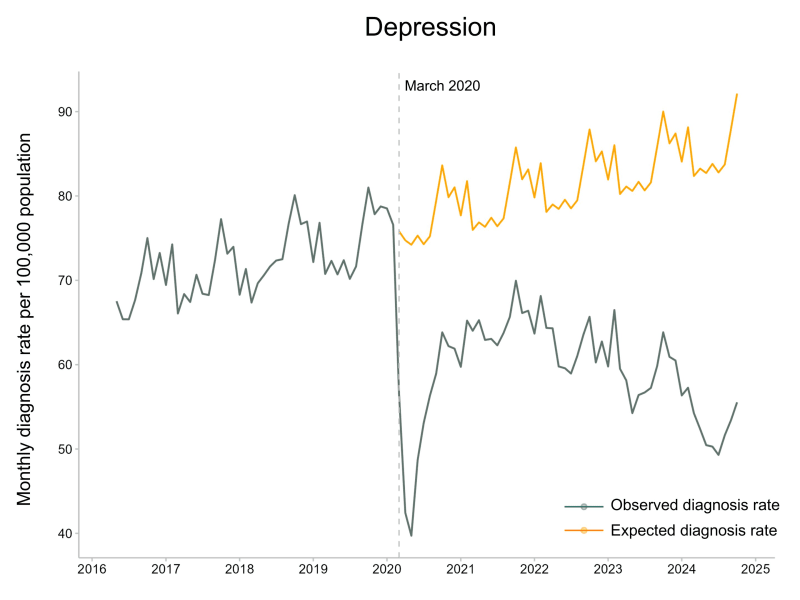
The research uncovered important gaps in diagnosis rates for several conditions following the pandemic. Depression diagnoses remain 28% lower than expected compared to pre-pandemic trends, while asthma diagnoses are down 16%. The findings suggest these drops may reflect NHS backlogs rather than actual improvements in health.
But the study also revealed a major success story. Chronic kidney disease diagnoses increased by 35% compared to expected levels. Dr. Mark Russell, the study's lead author, explains this likely reflects increased testing and greater awareness following new treatment guidelines.
The research identified troubling inequalities in how different communities recovered from pandemic disruptions. While dementia diagnoses returned to normal levels for white patients and those in wealthier areas, they remained lower than expected among other ethnic groups and in more deprived communities.
The Ripple Effect
This study demonstrates how the NHS can use its vast health data resources to spot problems early and target solutions where they're needed most. The secure platform allows researchers to analyze millions of records in real time without compromising patient privacy.
The findings have already prompted the NHS to prioritize reducing backlogs for conditions like asthma and osteoporosis. By identifying which communities face the biggest diagnosis gaps, health officials can direct resources more effectively.
Dr. Russell highlighted the broader potential: "This demonstrates how real-time, anonymized data can transform disease monitoring, enabling earlier identification of inequities and informing how care is delivered."
The research team continues monitoring diagnosis patterns, giving the NHS an early warning system for emerging health trends. As the platform expands, it could help catch disease outbreaks faster, track treatment effectiveness, and ensure no community gets left behind.
This kind of data-driven healthcare represents a major step forward in making sure everyone gets the diagnosis and treatment they need when they need it.
More Images


Based on reporting by Medical Xpress
This story was written by BrightWire based on verified news reports.
Spread the positivity!
Share this good news with someone who needs it