Nigeria Achieves 99.9% Mobile Coverage on Major Highways
Nigeria's telecommunications regulator announced that mobile service now covers nearly all major highways, with only 0.1% experiencing complete outages. The milestone marks a turning point for connectivity across Africa's most populous nation.
Traveling across Nigeria just got a lot more connected, with mobile service now reaching 99.9% of the country's major highways and intercity roads.
The Nigerian Communications Commission revealed the breakthrough numbers Wednesday, showing that complete mobile service outages affect less than 326 kilometers of Nigeria's vast 290,000-kilometer road network. Major economic corridors linking Lagos, Abuja, and Port Harcourt now enjoy strong, consistent signals.
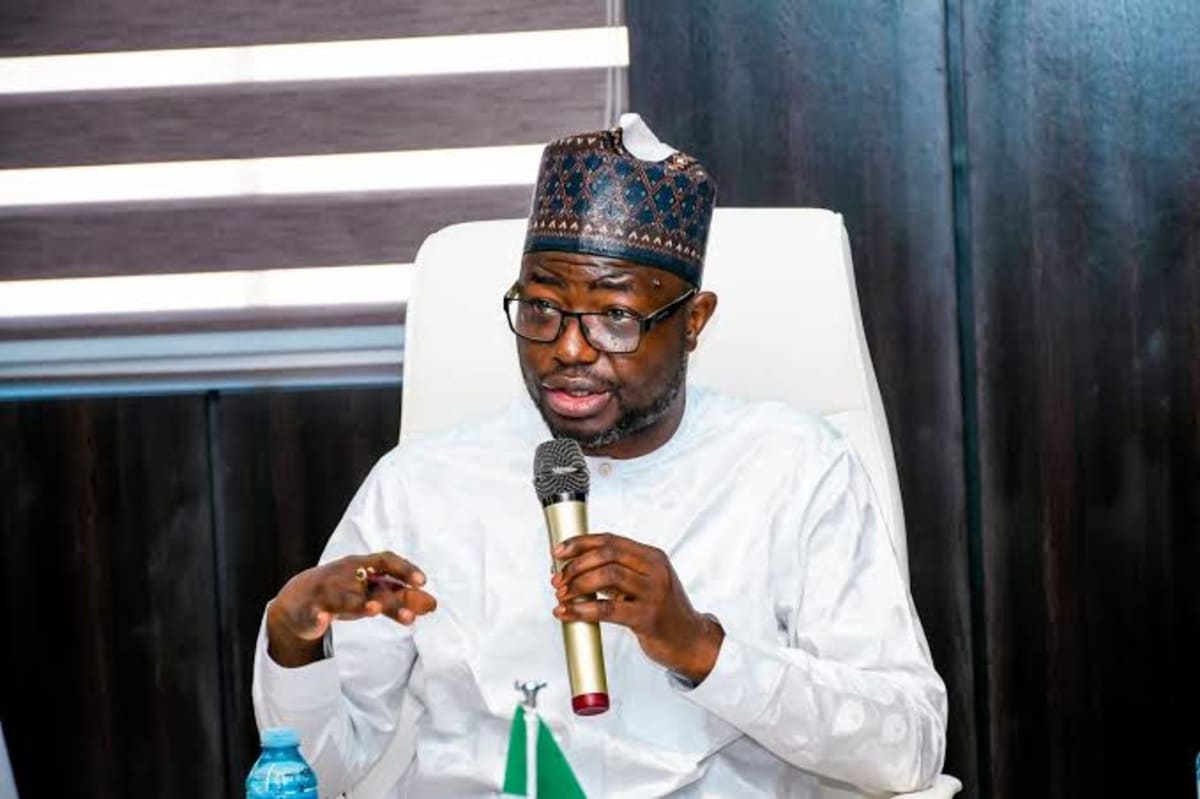
"Our highways are largely covered," said Edoyemi Ogoh, Director of Technical Standards and Network Integrity at the NCC. The agency's Fourth Quarter 2025 Industry Network Performance Report documented steady progress in nationwide mobile deployment across trunk, primary, and secondary roads that form the backbone of economic and social connectivity.
The expansion comes as Nigeria's broadband penetration crossed the 50% threshold in 2025. Median 4G speeds also improved following spectrum optimization between major carriers, making reliable internet access more widely available than ever before.
The commission used crowdsourced network measurements and geospatial road maps to analyze real user experiences across Nigeria's road network. Special Adviser Umar Abdullahi explained that the assessment combined data from platforms like Ookla with detailed geographic analysis to identify exactly where service gaps existed.
Remaining connectivity challenges stem mainly from geography rather than infrastructure gaps. Hills, forests, and difficult terrain in rural and border areas still degrade signal quality, causing some phones to fall back from 4G to older networks.
The Ripple Effect
The near-universal highway coverage creates new opportunities for millions of Nigerians who depend on mobile connectivity for business, education, and staying in touch with loved ones. Travelers can now make calls, conduct mobile banking, and access information reliably across almost the entire country.
The NCC is tackling remaining gaps through smart technology choices. The commission prioritizes low-band spectrum deployment, including frequencies like 700MHz that penetrate obstacles better and cover wider areas with fewer cell towers. These approaches align with Nigeria's Draft Spectrum Roadmap for 2025-2030, which supports rural broadband expansion and 5G services in urban centers.
For truly remote locations where traditional cell towers remain difficult to build, the commission introduced new frameworks to license broadband services on trains, buses, maritime vessels, and aircraft. This innovative approach ensures connectivity reaches Nigerians even in the hardest-to-serve areas.
The transformation shows what's possible when regulators and telecommunications companies work together toward universal access, bringing Nigeria closer to full digital inclusion.
More Images




Based on reporting by Punch Nigeria
This story was written by BrightWire based on verified news reports.
Spread the positivity!
Share this good news with someone who needs it