Nigeria and EU Team Up to Stop Illegal Fishing in Gulf
Nigeria is partnering with the European Union to crack down on illegal fishing and maritime crime in the Gulf of Guinea. The collaboration builds on proven success stories like Nigeria's Deep Blue Project, which has already reduced piracy in regional waters.
Fishing communities and coastal economies across West Africa are getting a major boost as Nigeria strengthens its fight against illegal fishing and maritime crime.
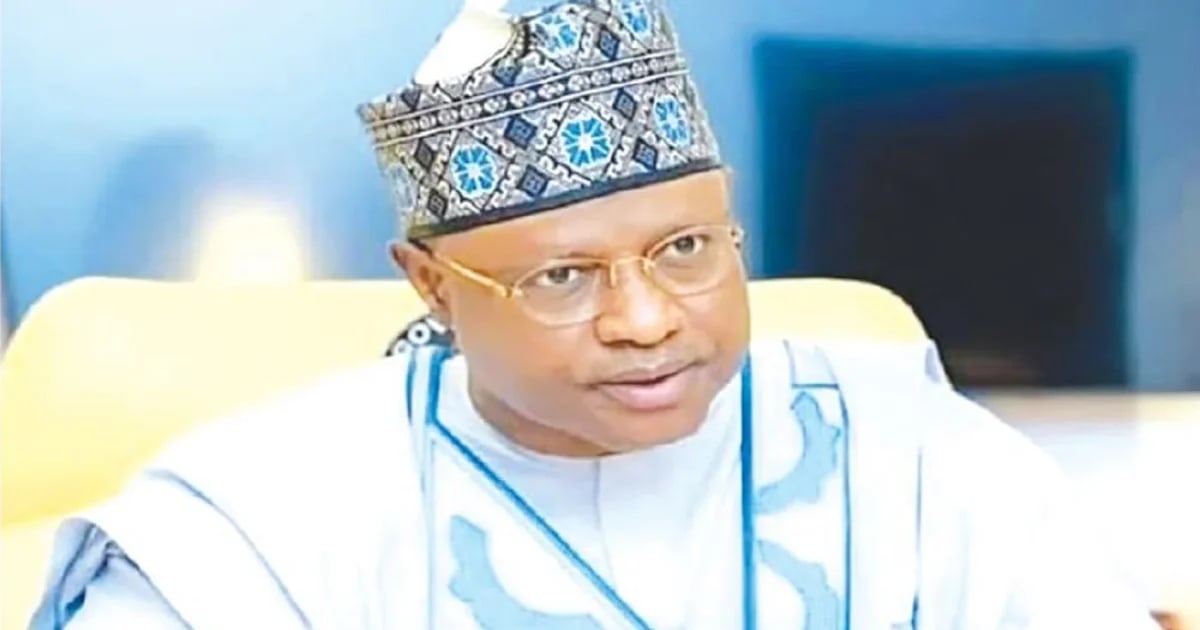
The Nigerian government announced this week it's deepening its partnership with the European Union to tackle rising illegal fishing, trafficking, and environmental crimes in the Gulf of Guinea. Marine and Blue Economy Minister Adegboyega Oyetola met with EU officials in Abuja to advance cooperation on intelligence sharing and maritime surveillance.
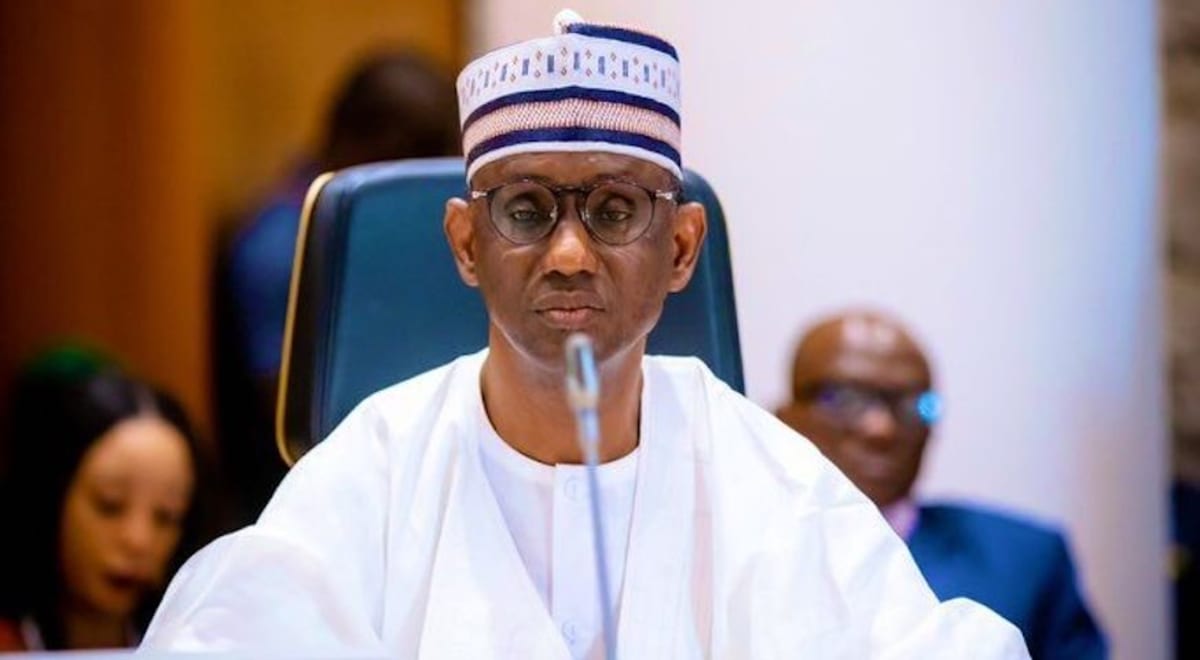
The EU delegation, led by Stéphanie Vergniault, is evaluating the Gulf of Guinea Inter-regional Network project, a program that helps countries coordinate responses to maritime threats. The initiative connects multiple West African nations through the YARIS information-sharing system, allowing authorities to track suspicious vessels and respond faster to crimes at sea.
Nigeria isn't starting from scratch. The country's Deep Blue Project has already proven that focused maritime security efforts work, significantly reducing piracy and armed robbery at sea over recent years. That success demonstrates what's possible when countries combine their own initiatives with regional and international support.
The Ripple Effect
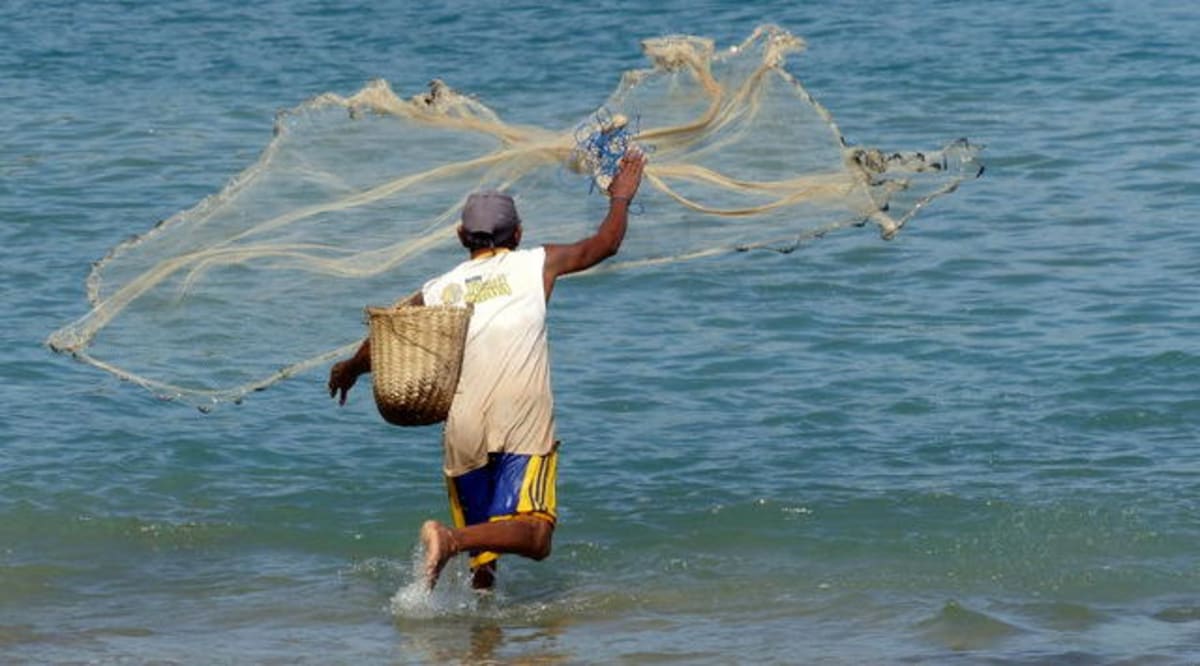
Protecting Gulf of Guinea waters from illegal fishing does more than stop crime. It safeguards the livelihoods of millions of people who depend on fishing for food and income across West Africa.
Legal, sustainable fishing means healthier fish populations for future generations. It means local fishermen can compete fairly instead of watching industrial-scale poachers strip their waters bare. And it means coastal communities can build stable economies around their maritime resources.
The collaboration also tackles environmental crimes that threaten the region's delicate marine ecosystems. Better surveillance and coordinated enforcement make it harder for bad actors to exploit gaps between national jurisdictions.
Minister Oyetola emphasized that evolving security challenges require sustained responses through robust international partnerships. As the current EU-funded program nears completion, officials are focused on making sure the gains stick by strengthening regional ownership and ensuring sustainability.
The EU mission is gathering feedback from maritime stakeholders about what's working and what challenges remain, information that will shape future cooperation efforts across the region.
West Africa's ocean resources are getting the protection they deserve, one partnership at a time.
Based on reporting by Vanguard Nigeria
This story was written by BrightWire based on verified news reports.
Spread the positivity!
Share this good news with someone who needs it