Nigeria Bank Invests $150B in Women-Led Businesses
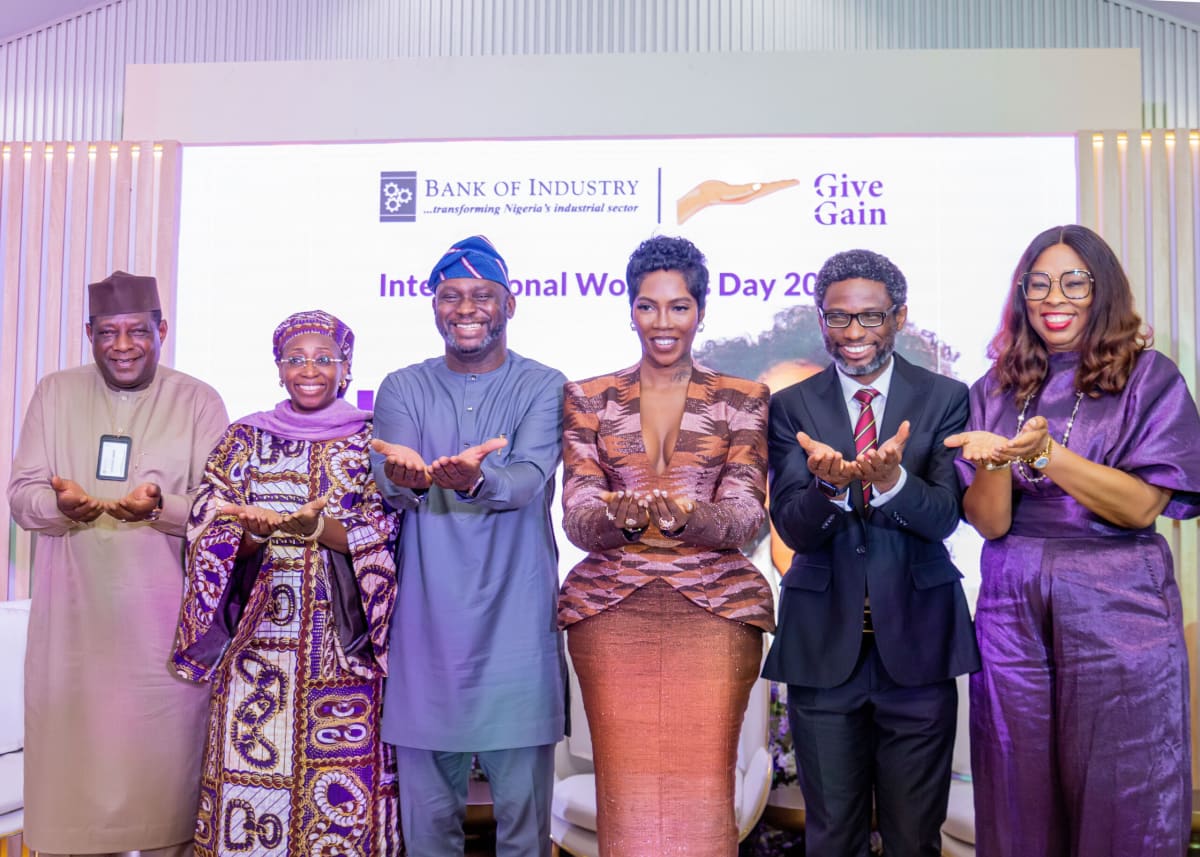
Nigeria's Bank of Industry has poured $150 billion into women entrepreneurs, financing over 2,600 businesses and proving that investing in women drives economic growth. The initiative saw a stunning 396% jump in women-owned businesses funded in just one year.
Nigeria's Bank of Industry just made one of the biggest bets on women entrepreneurs in African history, and the results are already transforming the country's economy.
The development bank has mobilized $150 billion to support 2,614 women-led small and medium businesses across Nigeria, where 23 million women entrepreneurs account for more than 40% of all microbusinesses. These women run everything from farms and food production companies to creative agencies and manufacturing plants, yet most have struggled to access the capital they need to grow.
That's changing fast. In 2025 alone, the Bank of Industry financed 1,846 women-owned businesses. That's a 396% increase compared to the average of just 372 businesses funded annually between 2022 and 2024.
Dr. Olasupo Olusi, the bank's managing director, calls women's economic empowerment an "economic imperative" rather than just a social goal. He points to research from the Food and Agriculture Organisation showing that giving women farmers the same resources as men could boost agricultural output by 4% across developing countries and reduce global hunger by 150 million people.
The challenge has been real. Nearly nine out of ten Nigerian women don't own land, which banks typically require as collateral for loans. Without that collateral, talented entrepreneurs with solid business plans couldn't expand, buy equipment, or hire more workers.
The Bank of Industry tackled this barrier head-on by creating a dedicated Gender Business Desk and applying a Gender Lens Investing model. Instead of traditional collateral requirements, the bank evaluates businesses based on their potential to advance gender inclusion through ownership, leadership, employment, or supply chains.
The strategy is now embedded in the bank's corporate plan, which commits at least 15% of its total loan portfolio to women-led businesses through 2027. It's not a side project or charitable effort but core business strategy based on economic evidence.
The Ripple Effect
When women entrepreneurs get funding, entire communities benefit. Women business owners typically reinvest more of their profits into their families and local communities compared to their male counterparts. That means better nutrition, education, and healthcare for children, plus more jobs for neighbors.
The bank's approach also sends a powerful message to other financial institutions across Africa. By proving that women-led businesses are smart investments, not risky bets, Nigeria is creating a blueprint for closing gender financing gaps continent-wide.
President Bola Ahmed Tinubu's administration has made economic diversification a priority, and data shows that empowering women entrepreneurs accelerates that goal. These aren't just micro-loans for survival businesses but serious capital for growth-stage companies that create jobs and drive innovation.
Nigeria now hosts one of the world's most dynamic communities of female entrepreneurs, and for the first time, they're getting institutional support that matches their ambition.
More Images


Based on reporting by Premium Times Nigeria
This story was written by BrightWire based on verified news reports.
Spread the positivity!
Share this good news with someone who needs it