Nigeria Banks Get Real-Time Tool to Stop Fraud
Nigeria's Central Bank and telecom regulator just launched a system that lets banks instantly verify if a phone number has been hijacked before processing payments. Financial fraud dropped 51% this year, and this new partnership could drive losses even lower.
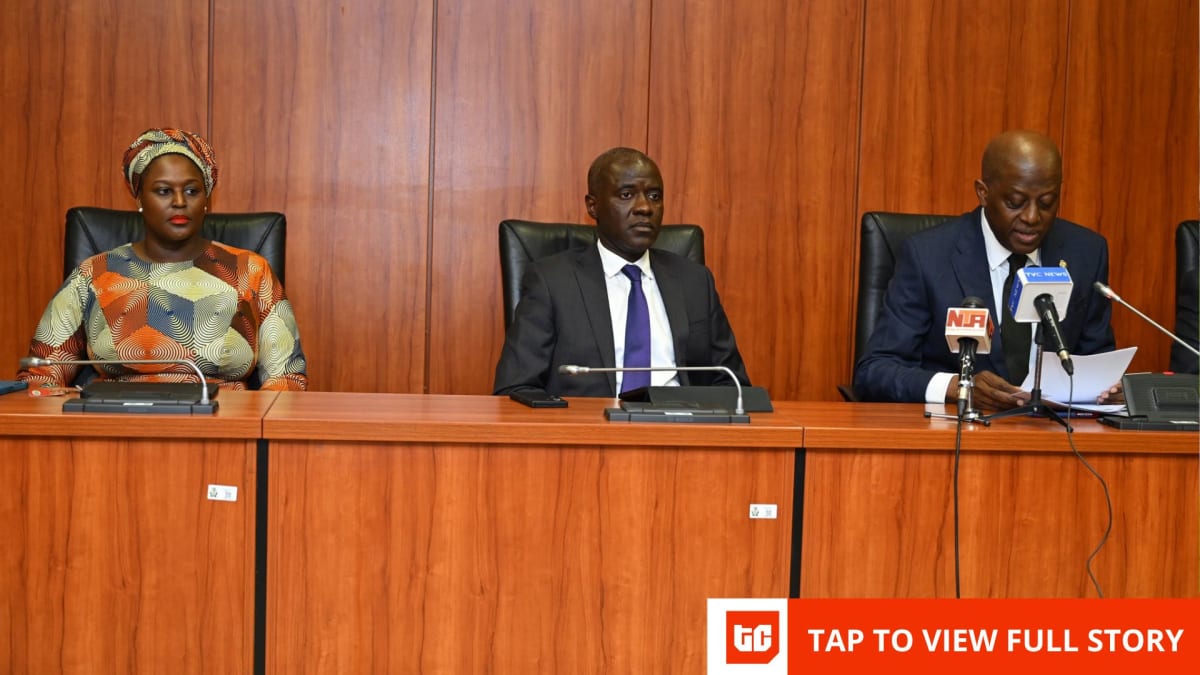
Banks in Nigeria can now stop fraudsters before they strike, thanks to a groundbreaking agreement signed Monday between the country's financial and telecom regulators.
The Central Bank of Nigeria and Nigerian Communications Commission created a new data-sharing system called the Telecom Identity Risk Management System. It gives banks instant access to check whether a mobile number tied to a transaction has been recently swapped, recycled, flagged for suspicious activity, or gone inactive.
The timing matters. Mobile numbers have become the backbone of digital banking in Nigeria, where millions rely on their phones to save, pay bills, and run businesses. But that convenience created a massive vulnerability that criminals have been exploiting for years.
Financial fraud losses in Nigeria exploded from $12.80 million in 2023 to $37.86 million in 2024, according to industry data. Most schemes involved SIM swaps and hijacked phone numbers that let criminals bypass security and drain accounts. Until now, banks had no way to verify whether the phone number authorizing a payment actually belonged to the right person.
"Mobile numbers increasingly underpin identity, authentication, and financial access," said Aminu Maida, executive vice chairman of the NCC. The collaboration ensures innovation is matched with strong consumer safeguards.
The system works in near real time, meaning a bank can verify a number's status before a suspicious payment clears. If someone just swapped their SIM card or a number was recently reassigned to a new user, the bank will know instantly.
The Ripple Effect: This partnership extends beyond fraud prevention. Both regulators will now coordinate on instant payments, QR-based transactions, and open banking standards to build a more reliable digital economy. They're also creating faster resolution systems for everyday problems like failed airtime purchases or transaction errors.
The collaboration has already proven effective. The same two agencies worked together in June to resolve a major dispute between banks and telecom operators that had disrupted payment services across the country.
Two joint committees will oversee the new framework. One focuses on payment systems and consumer protection, while the other manages telecom identity risk. Both will track progress and handle issues as the system scales.
CBN Governor Olayemi Cardoso emphasized that Nigeria's citizens and businesses depend on digital channels for their financial lives. Those channels now have a much stronger foundation built on trusted identity systems and secure data flows.
The early results suggest the approach is working: financial fraud already fell 51% to $18.7 million in 2025, even before this new system launched.
Based on reporting by TechCabal
This story was written by BrightWire based on verified news reports.
Spread the positivity!
Share this good news with someone who needs it