Nigeria Bans Cash Tax Collection and Tax Roadblocks
Nigeria just ended roadside tax checkpoints and cash payments as part of sweeping reforms to make taxation fairer and more transparent. Small businesses earning under $7,000 annually are now completely exempt from taxes.
Nigerian citizens can finally drive without fear of being stopped at tax roadblocks, as the government officially banned the practice along with all cash tax collection.
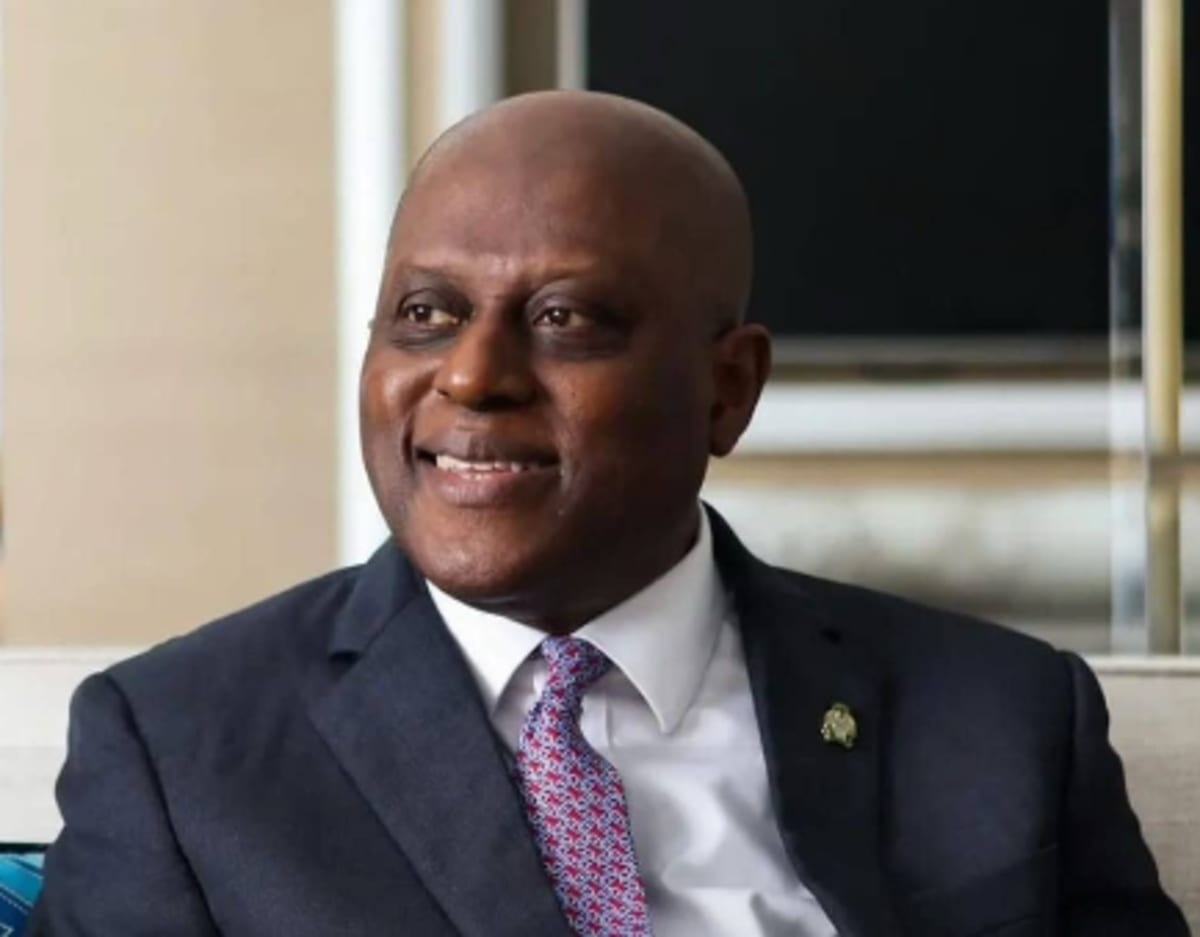
The new regulations signed Tuesday in Abuja mark a turning point for millions of informal workers and small business owners who've long faced arbitrary, sometimes coercive tax enforcement. Olusegun Adesokan, Executive Secretary of the Joint Revenue Board, announced the changes during a formal signing ceremony at the Federal Ministry of Finance.
The reforms specifically target problems that have plagued Nigeria's tax system for years. Roadblocks mounted for tax collection are now illegal, and tax authorities can no longer demand cash payments from anyone.
Small businesses get the biggest relief under the new framework. Any business earning less than 12 million naira (about $7,000) annually pays zero taxes under the presumptive tax regime.
Larger informal businesses face just a 1% tax on turnover, paired with digital payment systems that create clear records and prevent corruption. Finance Minister Wale Edun emphasized the government's core principle: "We're looking to expand the tax base, not raise taxes, but ensure each bears his rightful contribution."
The reforms address a longstanding paradox in Nigeria's economy. The informal sector employs more than 80% of the country's workforce but contributes little to public revenue, not from unwillingness but because the old system was too complex and didn't match reality on the ground.
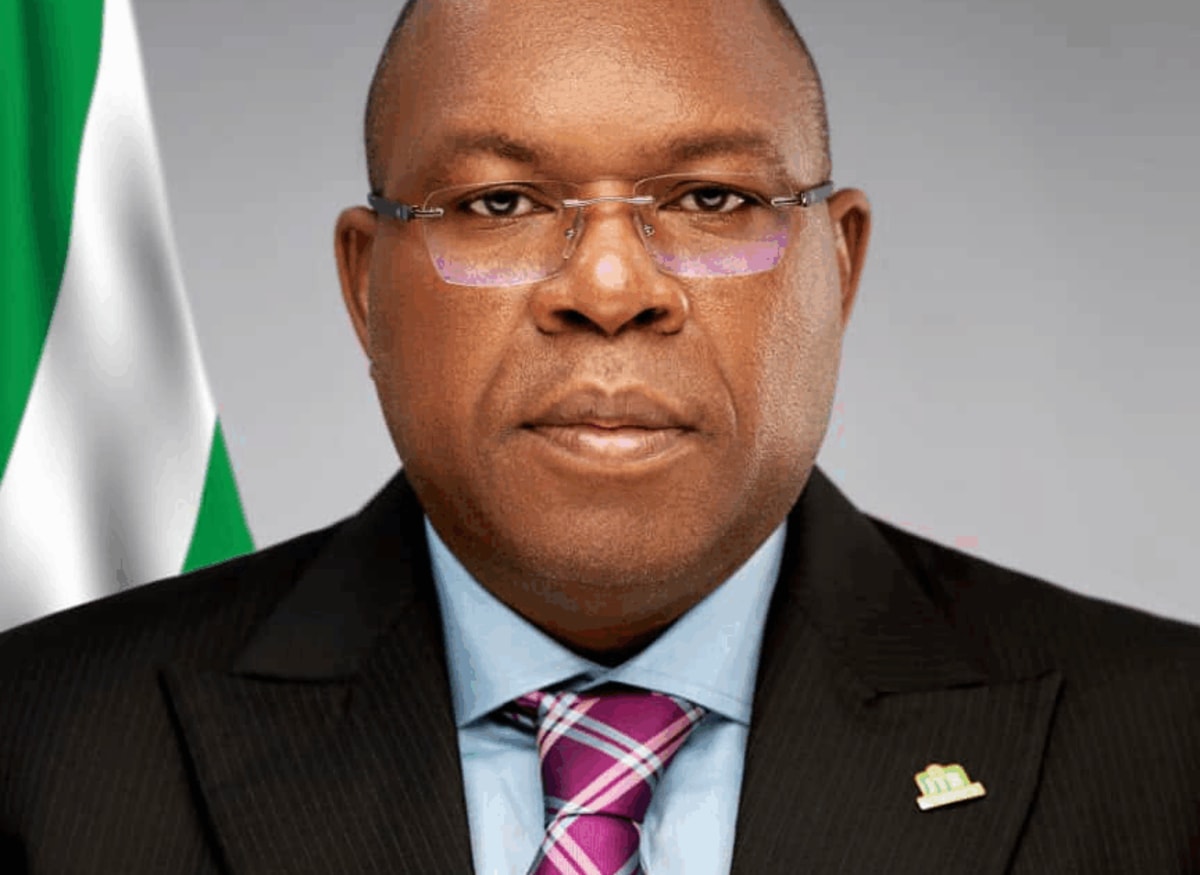
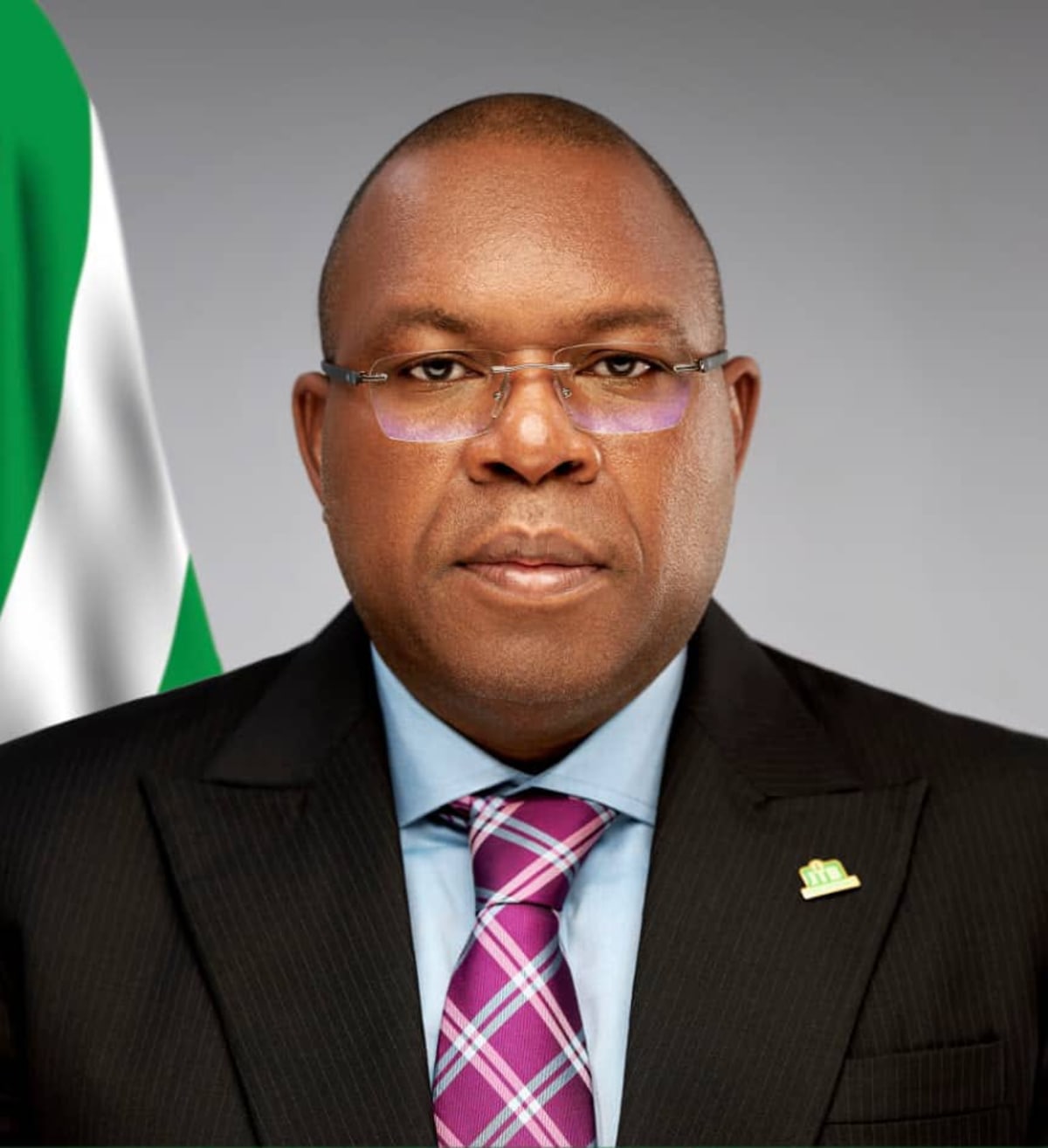
Joseph Tegbe, Chairman of the National Tax Policy Implementation Committee, explained how the changes restore order. "It's not about imposing new burdens but restoring order where there has been fragmentation and replacing arbitrariness with transparency," he said at the ceremony.
The Ripple Effect
These regulations create a nationwide standard that all states must follow, ending the confusion of different rules in different regions. An ombudsman will monitor implementation to ensure fairness, giving taxpayers someone to turn to if problems arise.
The reforms tie directly into Nigeria's ambitious economic goals. Growth exceeded 4% in late 2025, and President Bola Tinubu aims for a $1 trillion economy by 2030.
Technology platforms will integrate informal operators into the formal economy through Tax Identification systems, making it easier for small businesses to access loans, contracts, and growth opportunities. The transition from legislation to actual enforcement began with Tuesday's signing, moving these protections from paper into daily life for Nigerian workers.
Nigeria just showed that modernizing taxation doesn't mean punishing the people who can least afford it.
More Images


Based on reporting by Punch Nigeria
This story was written by BrightWire based on verified news reports.
Spread the positivity!
Share this good news with someone who needs it