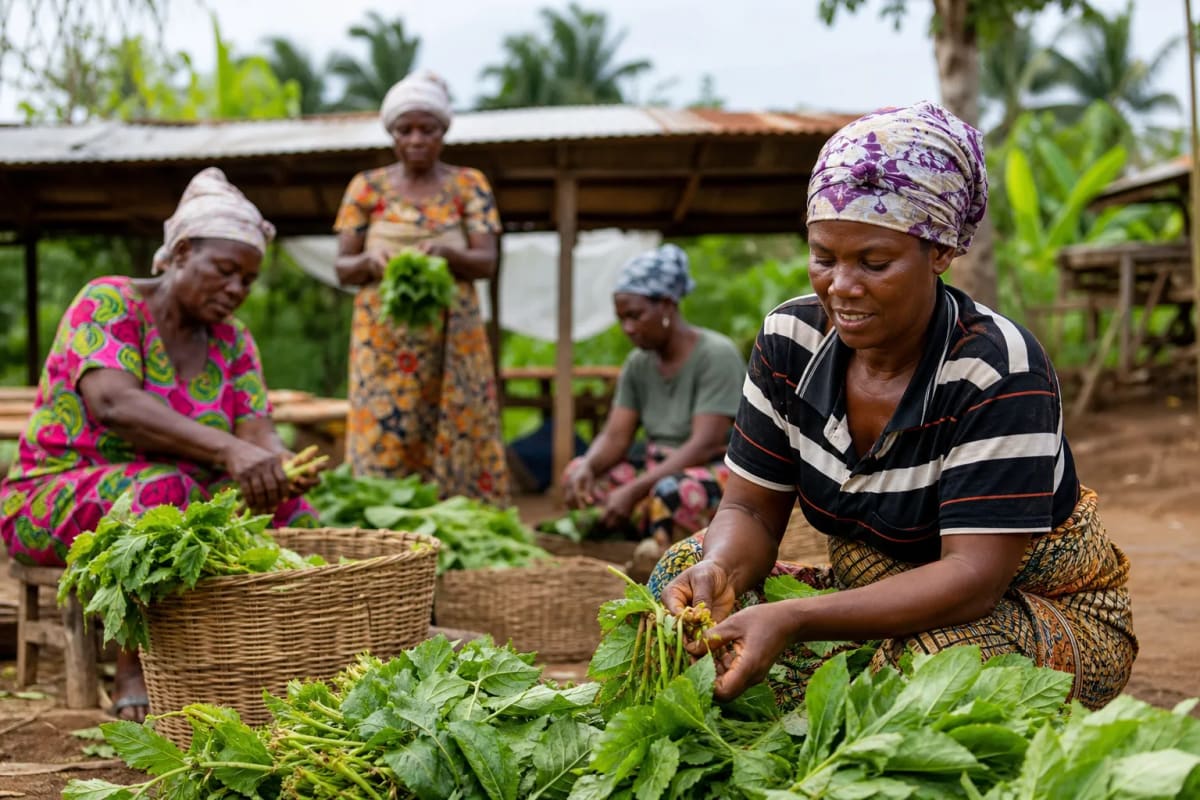
Nigeria Bans Raw Shea Exports to Build Local Industries
Nigeria just extended its ban on exporting raw shea nuts for another year, keeping processing jobs and profits inside the country. The move could transform thousands of agricultural workers into manufacturing employees while reducing reliance on imported goods made from Nigeria's own resources.
Nigeria is keeping its shea nuts at home, and the decision could spark an industrial revolution in one of Africa's largest economies.
President Bola Ahmed Tinubu approved extending the ban on raw shea nut exports through February 2027. The policy forces international buyers to purchase processed shea products instead of raw materials, keeping manufacturing jobs and economic benefits inside Nigeria's borders.
Alex Omaghomi, an engineer and agribusiness strategist, celebrated the decision as a breakthrough for the country's economic future. He pointed out that every shipment of raw commodities sends away not just natural resources but industrial jobs, technical expertise, and the economic multiplier effects that manufacturing creates.
The numbers tell a powerful story about untapped potential. Agriculture contributes over 22 percent of Nigeria's GDP, making it one of the economy's biggest pillars. Yet most agricultural products still leave the country unprocessed or barely touched, meaning Nigeria misses out on the real money that comes from turning raw materials into finished goods.
Shea joins other crops like cocoa, cassava, and cotton that could generate far more value with local processing. Right now, many Nigerian raw materials get shipped overseas, processed into cosmetics and food products, then sold back to African consumers at premium prices.
The export restriction aims to flip that script entirely. By requiring domestic processing, the policy should attract investment in new facilities and equipment. Those factories need workers, creating employment opportunities that extend far beyond farming.
The Ripple Effect
The benefits could cascade through multiple sectors of Nigeria's economy. Processing facilities need engineers to design systems, technicians to maintain equipment, and logistics experts to manage supply chains. Local processing also reduces the country's need to import finished products made from its own raw materials, keeping more money circulating domestically.
Financial incentives alone won't complete the transformation, though. Omaghomi emphasized that the export ban must work alongside comprehensive agro-industrial policies. Nigeria needs modern processing technology, reliable infrastructure, and engineering innovation to turn its agricultural strength into manufacturing success.
The shea industry offers a perfect testing ground for this vision. Shea butter commands high prices in global cosmetics and food markets, but Nigerian producers currently capture only a fraction of that value. With proper processing capacity, the country could compete directly with international brands while creating stable manufacturing jobs.
Other African nations are watching closely. Countries across the continent face similar challenges with exporting raw materials while importing processed goods. Nigeria's experiment with forced value addition could provide a roadmap for agricultural economies ready to climb the manufacturing ladder.
The policy represents a fundamental shift in thinking about economic development. Instead of competing on cheap raw materials, Nigeria is betting it can build prosperity through processing, manufacturing, and capturing more of the value chain.
More Images

Based on reporting by AllAfrica - Headlines
This story was written by BrightWire based on verified news reports.
Spread the positivity!
Share this good news with someone who needs it