Nigeria Bans Small Alcohol Sachets to Protect Youth
Nigeria's drug safety agency has launched a nationwide crackdown on small sachets and bottles of alcohol to curb underage drinking and substance abuse. The bold public health move targets products under 200ml that made alcohol too easy for young people to access.
Nigeria is taking a major step to protect its young people from alcohol harm by removing thousands of small alcohol packages from store shelves across the country.
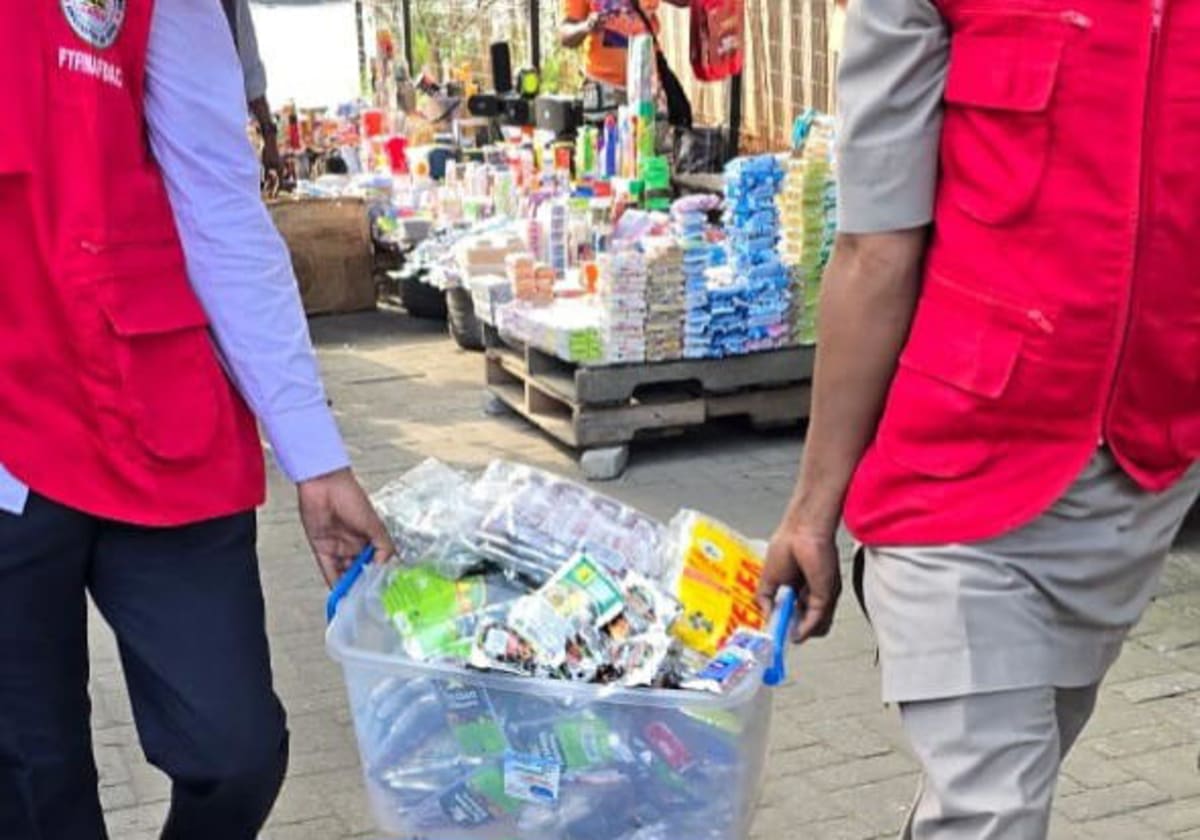
The National Agency for Food and Drug Administration and Control (NAFDAC) launched enforcement operations this week in all six regions of Nigeria. Teams are visiting markets, shops, bars, and street vendors to seize alcoholic drinks sold in sachets and small plastic bottles under 200 milliliters.
The crackdown follows growing concerns about how cheap, pocket-sized alcohol made drinking dangerously easy for children and teenagers. These tiny packages often cost just pennies and could be hidden easily, making them popular among young Nigerians despite age restrictions.
NAFDAC Director General Prof Christianah Adeyeye warned that anyone caught making, importing, transporting, or selling the banned products faces prosecution. The agency has already shut down manufacturing facilities that continued producing the small alcohol packages after regulators ordered them to stop.
This isn't a quick sweep and forget operation. NAFDAC emphasized the enforcement will continue as part of a sustained campaign to eliminate harmful alcohol products from Nigerian markets permanently.
The agency clarified that manufacturers following the rules aren't being targeted. Companies can still produce larger alcohol containers that meet the 200ml minimum requirement.
The Ripple Effect
Beyond protecting individual children, this enforcement addresses a growing public health crisis across Nigeria. Substance abuse among young people has been rising, with easy access to cheap alcohol fueling the problem.
By removing the most accessible and affordable alcohol products from circulation, health officials hope to create a meaningful barrier between children and drinking. The larger package sizes cost more and are harder for young people to purchase without drawing attention.
The move also encourages more responsible adult consumption. Larger containers mean more deliberate purchasing decisions rather than impulse buys of single-serving sachets.
NAFDAC is asking Nigerians to support the effort by reporting anyone still producing or selling the banned products. Citizens can contact their nearest NAFDAC office with information about suspicious activities.
Nigeria's decisive action sends a powerful message: protecting young people from alcohol harm matters more than industry convenience.
Based on reporting by Vanguard Nigeria
This story was written by BrightWire based on verified news reports.
Spread the positivity!
Share this good news with someone who needs it