Nigeria Becomes Africa's #2 Solar Market Despite Hurdles
Nigeria has leaped past Egypt to become Africa's second-largest solar panel importer, as businesses and homes flee unreliable power grids for cleaner energy. Music producer Somik Chris Ikesom now runs his studio without generators 80% of the time, part of a quiet energy revolution transforming how millions work and live.
Inside a music studio in Owerri, Nigeria, something remarkable is missing: the constant rumble of diesel generators, the acrid fuel smell, and the fear that equipment might fry during the next power surge.
Music producer Somik Chris Ikesom switched to solar power after years of losing sensitive equipment to Nigeria's notoriously unstable electricity grid. Now he works without interruption, part of a growing movement reshaping energy across Africa's most populous nation.
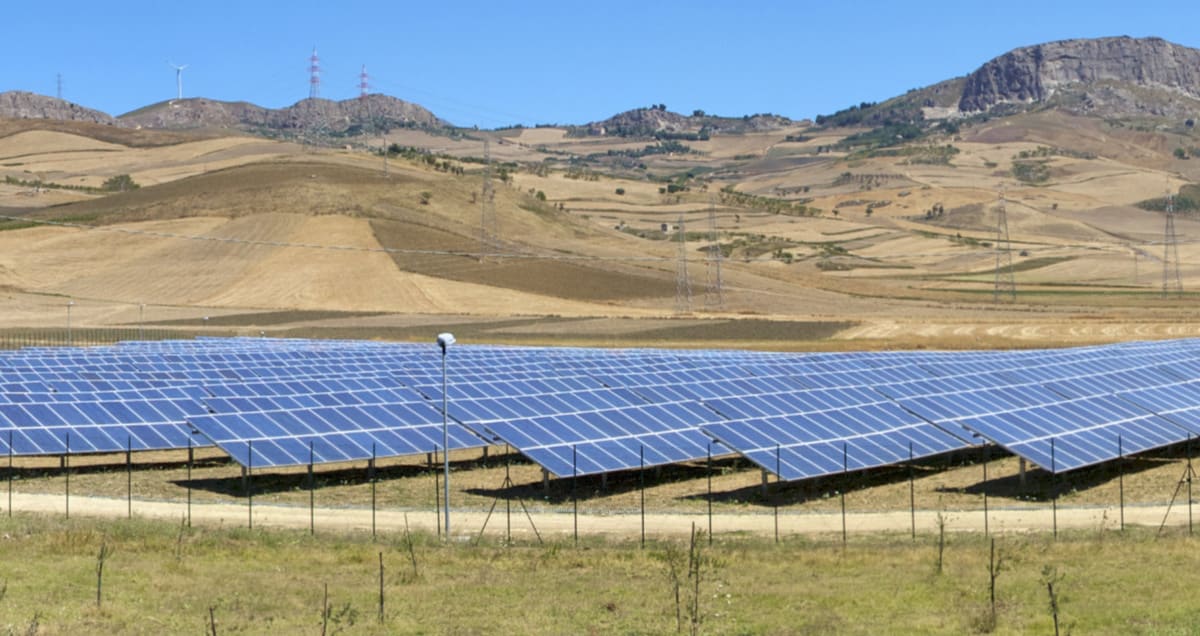
Nigeria just overtook Egypt to claim the title of Africa's second-largest solar panel importer, trailing only South Africa. The shift reflects both desperation and determination as businesses and households seek alternatives to chronic blackouts that have plagued the country for decades.
"I wanted something steady and reliable so I can just walk into the studio and do whatever I want to do at any time," Ikesom told reporters. His solar system eliminated the need for backup generators about 80% of the time.
The transformation goes beyond convenience. Ikesom was bleeding money on fuel costs and replacing damaged equipment every time generators failed without warning. Solar power gave him stability his business desperately needed.
The Ripple Effect
The solar boom is creating new business models across Nigeria. Companies like Lagos-based Sunhive are shifting from selling expensive systems outright to providing electricity as a service, making clean power accessible to customers who can't afford massive upfront costs.
"If you look at solar as an asset class that individuals have to purchase, it becomes inaccessible for a vast majority of Nigerians," explains Sunhive CEO Gbenga Kogbe. "But if you look at it as a service, then everybody can get access to it."
The company now focuses on commercial users, battery storage, electric mobility, and rural mini-grids. They're betting that owning solar assets and selling power directly can unlock energy access for millions currently living without reliable electricity.
The momentum is real, even if challenges remain. Solar equipment costs have dropped sharply over the past decade, and demand has surged over the past 18 months as diesel prices climbed. Currency fluctuations and high borrowing costs still limit how fast the industry can scale.
Local manufacturing capacity is growing but still meets only about 5% of demand, meaning Nigeria will depend on imports for the foreseeable future. Industry leaders argue that premature import restrictions could slow progress rather than accelerate it.
For now, the trend line points upward. Every studio, shop, and home that switches to solar is one less contributor to air pollution, one less customer dependent on expensive diesel, and one more proof point that Nigeria's energy future doesn't have to look like its past.
More Images

Based on reporting by DW News
This story was written by BrightWire based on verified news reports.
Spread the positivity!
Share this good news with someone who needs it