Nigeria Boosts Local Production of Pregnancy Supplements
Nigeria is ramping up local manufacturing of advanced prenatal vitamins to reach millions more pregnant women without relying on international donations. The shift could transform maternal health across Africa's most populous nation.
Nigeria just took a major step toward healthier pregnancies by choosing to make its own advanced prenatal supplements instead of waiting for international aid.
The country is expanding access to Multiple Micronutrient Supplements (MMS), a supercharged version of traditional prenatal vitamins that pack 15 essential nutrients instead of just iron and folic acid. Local production means pregnant women won't have to worry about supply shortages when global donors can't deliver.
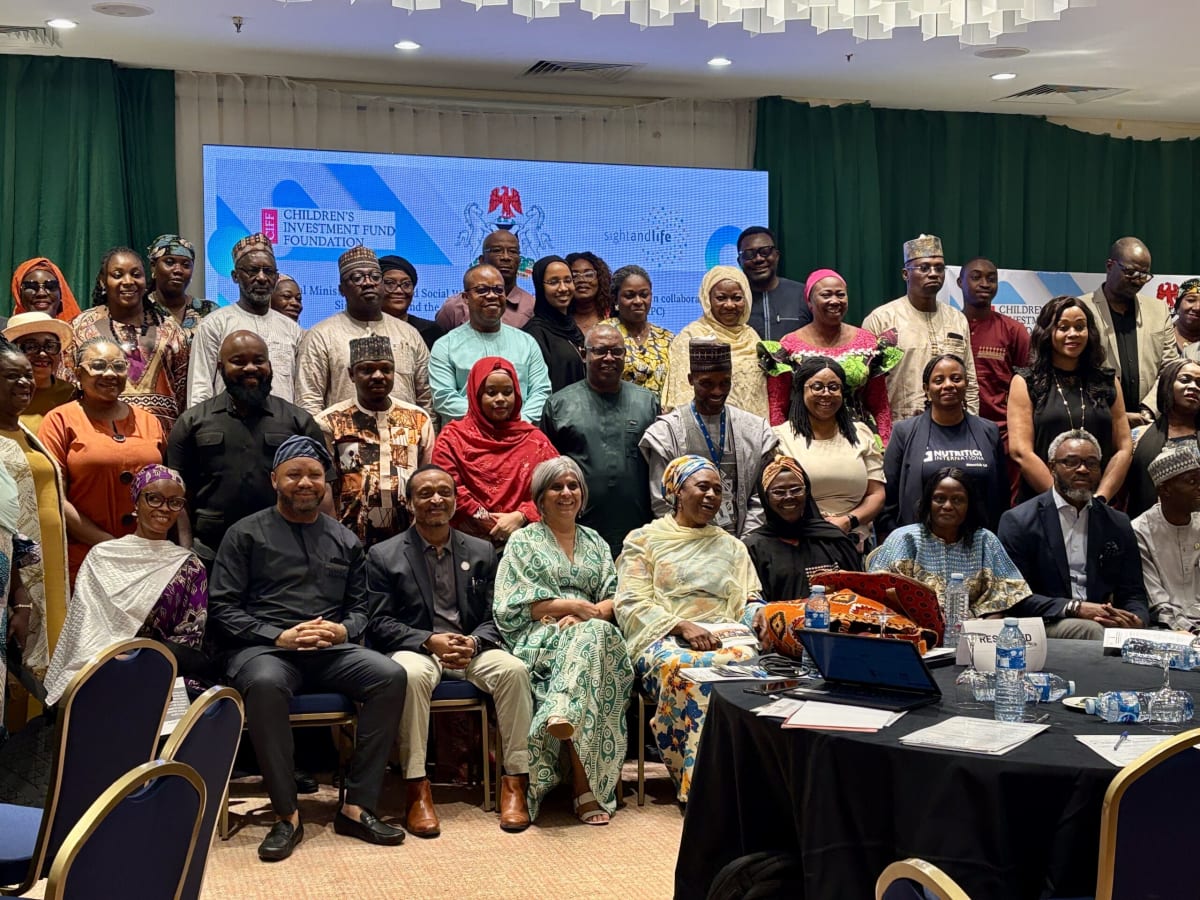
Health officials announced the push last Thursday in Abuja during a meeting to review research from six Nigerian states. The study looked at how the country can sustainably fund and distribute these crucial supplements to the estimated 12 million women who become pregnant each year.
"Local production will be critical in achieving the country's ambition for reaching pregnant women with MMS and ensuring long-term sustainability," said Olufunmilola Adegbite, head of the Nutrition Department at Nigeria's Federal Ministry of Health and Social Welfare.
The stakes are high. MMS supplements help prevent low birth weight, premature delivery, and other dangerous pregnancy complications that traditional iron supplements can't fully address. Nigeria approved MMS for use in 2021 and has already distributed about 1.3 million bottles to pregnant women across 12 states.
But that's nowhere near enough. UNICEF delivered 3 million bottles in 2024 and plans to send 3 million more in 2025, yet this still falls short of what's needed for 12 million annual pregnancies.
The new research examined healthcare financing in Lagos, Kano, Bauchi, Imo, Niger, and Bayelsa to find realistic ways to fund the expansion. Right now, many pregnant women pay out of pocket for prenatal care because insurance coverage remains limited.
The Ripple Effect
When Nigeria succeeds in making maternal nutrition affordable and accessible, the benefits multiply across generations. Healthier pregnancies mean healthier babies who grow into healthier adults, breaking cycles of malnutrition that have held communities back for decades.
The country's National Health Insurance Authority, Basic Healthcare Provision Fund, and dedicated state budgets could all help cover costs once local factories start producing enough supplements. Manufacturing at home also protects against the kind of global supply chain breakdowns that happened during recent world crises.
Salma Anas, Special Adviser to the President on Health, made a powerful point at the meeting. "Every woman's issue is a man's business," she said, urging leaders to stop treating maternal health as a low priority just because it primarily affects women and children.
Nigeria's commitment to producing these supplements locally shows what's possible when countries invest in their own healthcare infrastructure instead of depending indefinitely on outside help.
More Images


Based on reporting by Premium Times Nigeria
This story was written by BrightWire based on verified news reports.
Spread the positivity!
Share this good news with someone who needs it