Nigeria Builds 15,000 Affordable Homes for Working Families
Thousands of Nigerian families are finally getting a path to homeownership after generations of being told affordable housing was impossible. President Tinubu's housing program has broken ground on over 15,000 homes nationwide, with some developments already welcoming new owners.
For millions of Nigerian families, owning a home has felt like an impossible dream after years of rising rent and empty promises. That's changing now as concrete foundations rise across the country and families receive keys to their first real homes.
President Bola Tinubu announced this week that his administration has moved over 15,000 housing units from blueprints to actual construction sites across Nigeria's six regions. The projects represent the first phase of an ambitious plan to build 100,000 affordable homes for working families who've spent years paying rent with nothing to show for it.
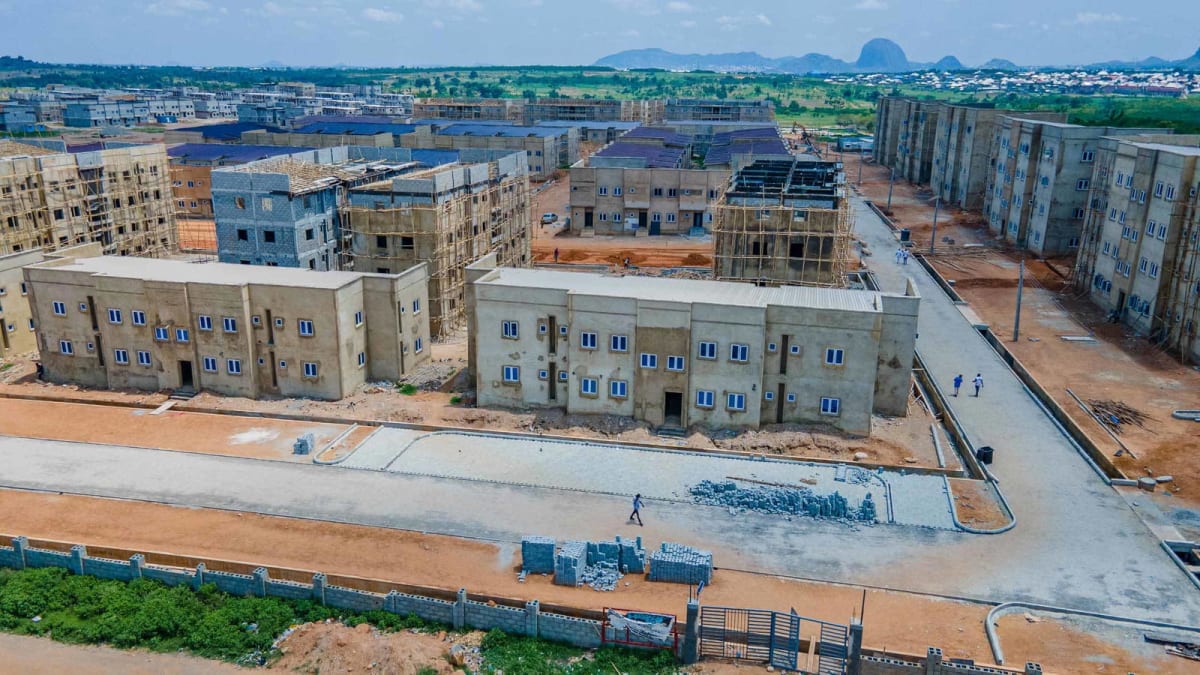
The progress is already visible on the ground. A 2,000-unit development in Lagos has reached advanced completion with sales underway, while 3,000 homes are under construction in Abuja's Karsana neighborhood. Families can tour real buildings instead of studying artist renderings.
The government paired the construction push with financial reforms that sounded impossible just two years ago. Through the MOFI Real Estate Investment Fund, 1,859 families across 25 states have secured mortgages at 9.75 percent interest, fixed for 20 years. Previous generations were told such favorable terms would never exist in Nigeria.
Land reforms are tackling another longtime barrier. Working with the World Bank, Nigeria is moving from less than 10 percent of plots formally registered toward 50 percent. That transforms "dead capital" sitting unused for generations into property families can actually buy and own.
The Family Homes Funds program is extending the reach further by targeting widows and low-income earners. The mandate calls for 500,000 homes while creating 1.5 million construction and related jobs across the housing sector.
The Ripple Effect
Housing construction is doing more than putting roofs over heads. The industry is becoming a national growth engine, creating jobs in construction, manufacturing, finance, and property management across every region.
Building materials production is ramping up to meet demand, equipment leasing programs are helping contractors expand capacity, and mortgage officers are processing applications in communities that never had access to housing finance before. Each home built ripples outward into dozens of livelihoods.
Tinubu acknowledged the housing deficit still runs into the millions, calling the current work a foundation rather than a finish line. But for families moving into completed units in Lagos and awaiting construction in two dozen other states, the foundation feels solid enough to finally build their futures on.
Based on reporting by Vanguard Nigeria
This story was written by BrightWire based on verified news reports.
Spread the positivity!
Share this good news with someone who needs it