Nigeria Builds 260 Smart Schools in Rural Communities
In Nigeria's Enugu State, children who once sold goods in markets now learn robotics and coding in free modern schools equipped with science labs and daily meals. The government is investing record funds to build 260 smart schools, starting in the most underserved rural areas first.
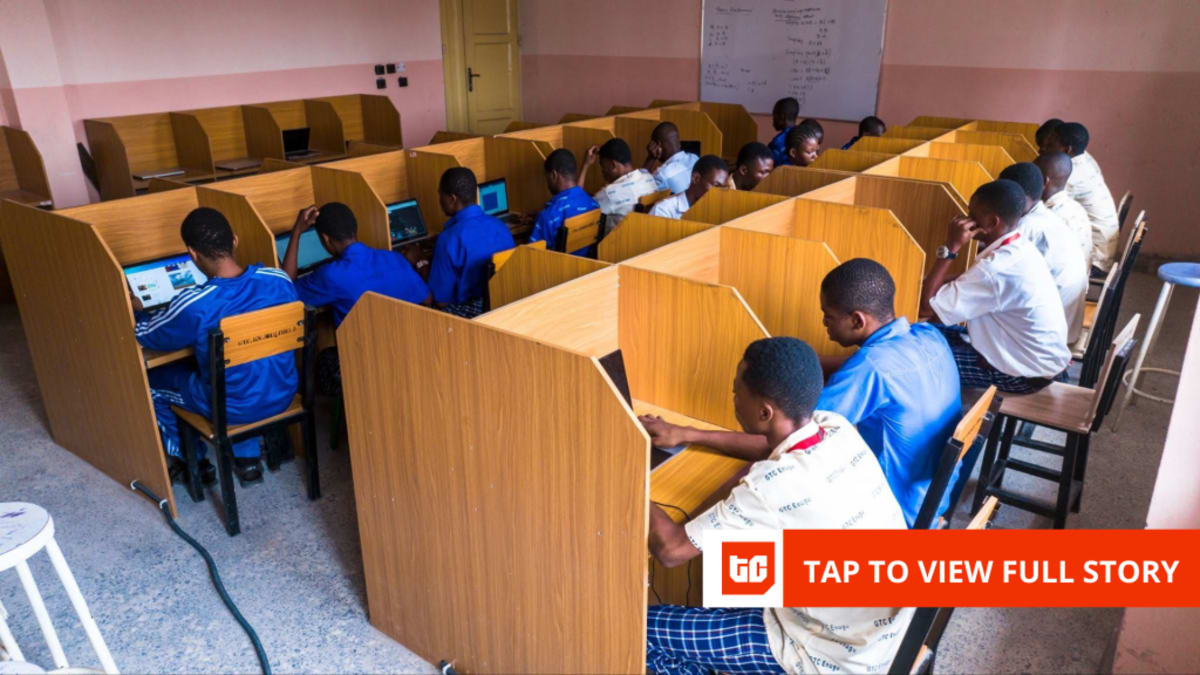
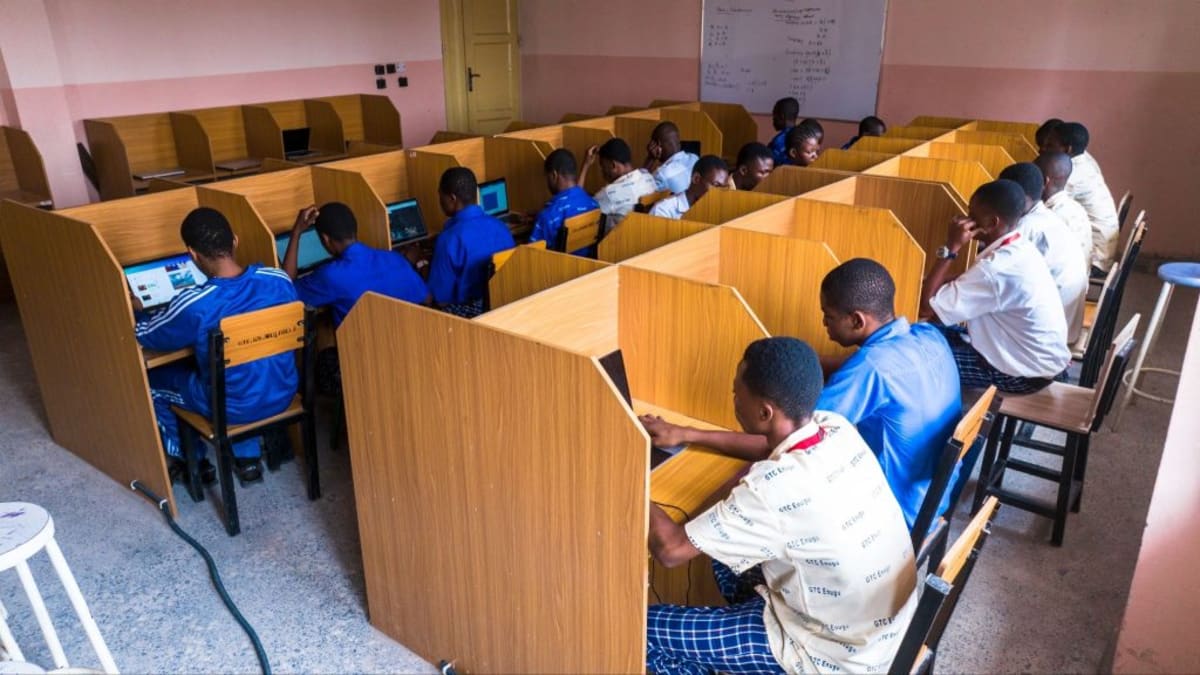
In the villages outside Enugu city, children who should have been in classrooms were selling items in markets during school hours. Today, those same children sit at desks in modern buildings, tapping through digital lessons and exploring robotics in innovation studios.
Enugu State is building 260 smart schools across Nigeria's southeast, one in every district. The government has put 32% of its 2026 budget toward education, the highest allocation of any Nigerian state.
The need was urgent. Three out of four children in Enugu's public schools couldn't read at grade level, according to Chinyere Onyeisi, the governor's adviser on education innovation. In one classroom assessment, only seven students out of 40 could read basic text.
The problems ran deeper than literacy. Students were being promoted regardless of whether they understood the material, creating gaps that widened with every passing year. Many children bounced between schools or dropped out repeatedly, landing in classes far beyond their skill level.
Instead of starting in cities, Enugu began building in its poorest rural communities. "If it works in the village, it will work anywhere," Onyeisi explained.
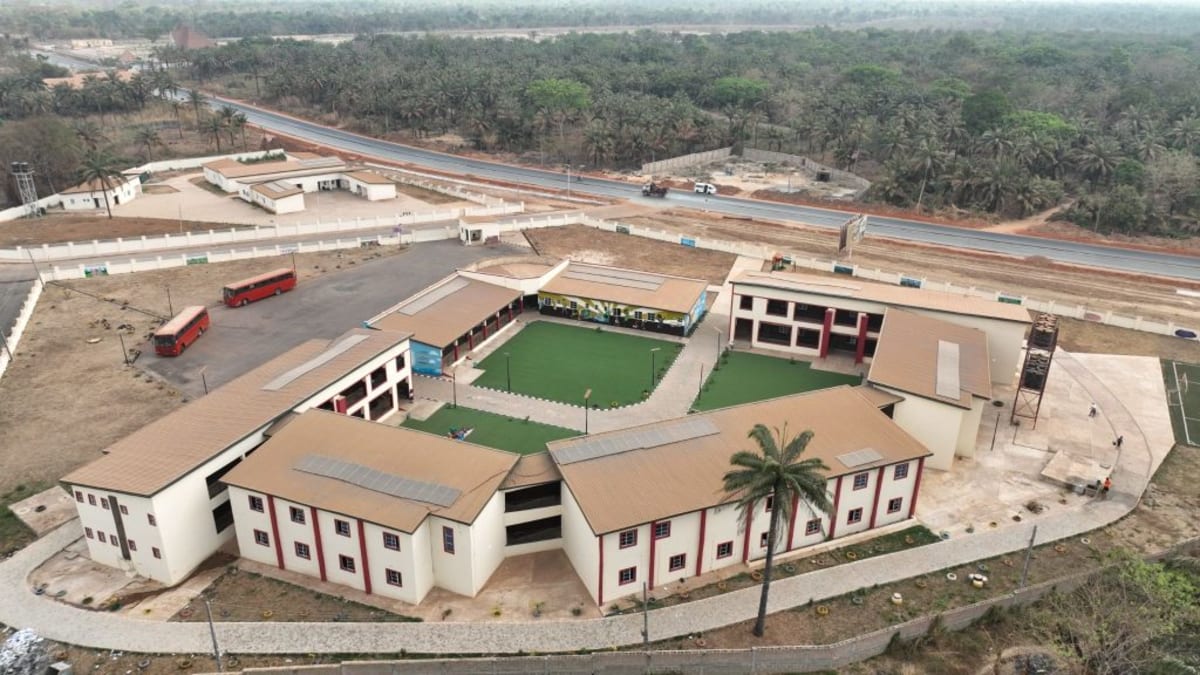
Each smart school combines early childhood, primary, and junior secondary education under one roof. Some merge six previously struggling schools into a single modern facility serving hundreds of students.
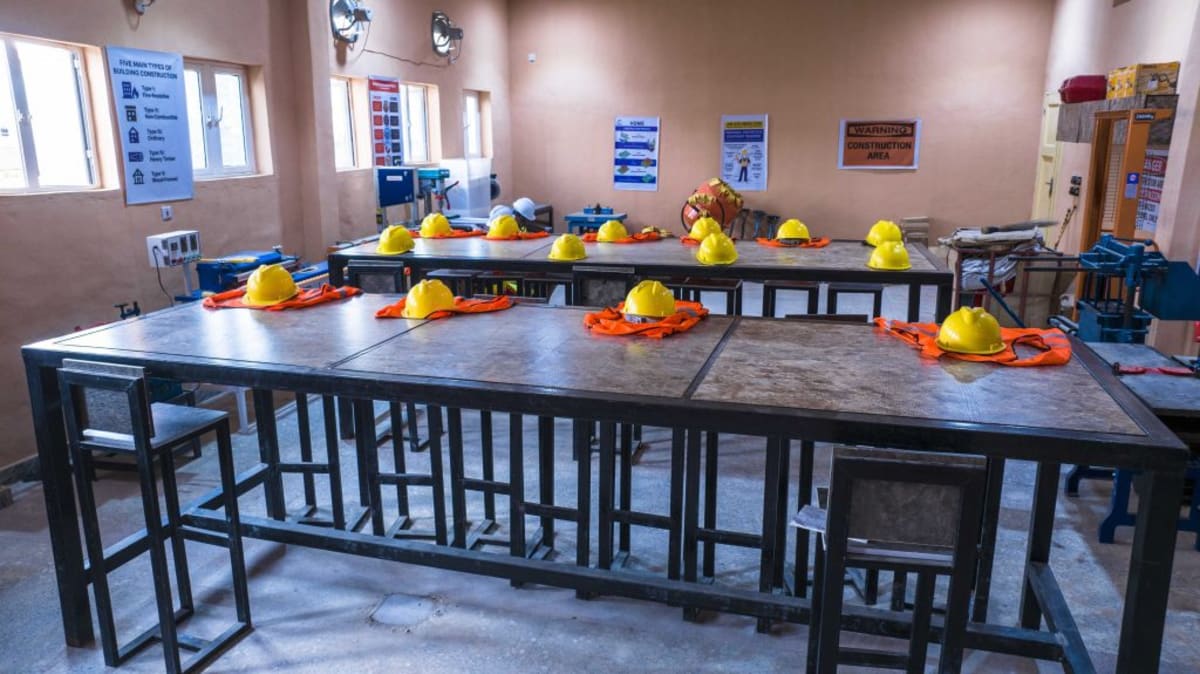
The campuses feature interactive whiteboards, science labs divided into specialized stations, and studios where students learn coding and artificial intelligence. Every child receives free uniforms, books, and a daily meal to remove the financial barriers keeping families away.
The state budgeted $21.7 million to feed 260,000 students across all 260 schools. "There's no excuse not to be in school," Onyeisi said.
The Ripple Effect
The transformation goes beyond buildings and technology. Nigeria's education system has long relied on memorization, where students cram for exams and forget the content immediately after. The new curriculum replacing that approach prioritizes critical thinking, problem solving, and digital literacy.
Students now engage with material they can apply in real situations. Rural children who might never have touched a computer are learning skills that prepare them for modern careers. Communities that had accepted the sight of school-age children working during class hours now have fully equipped facilities offering everything a family needs to send their kids to school.
The government is proving that meaningful change starts where the need is greatest, not where it's easiest to build.
For children in Enugu's villages, the future looks brighter than the markets where they once spent their days.
More Images
Based on reporting by TechCabal
This story was written by BrightWire based on verified news reports.
Spread the positivity!
Share this good news with someone who needs it