Nigeria Cash Transfer Reaches 35 Million People
Nigeria's poverty reduction program has delivered cash support to over 8.3 million households, touching 35 million lives. The country is now building a unified system to turn humanitarian aid into lasting economic opportunity.
Over 35 million Nigerians are getting a financial lifeline through their government's biggest poverty relief effort yet.
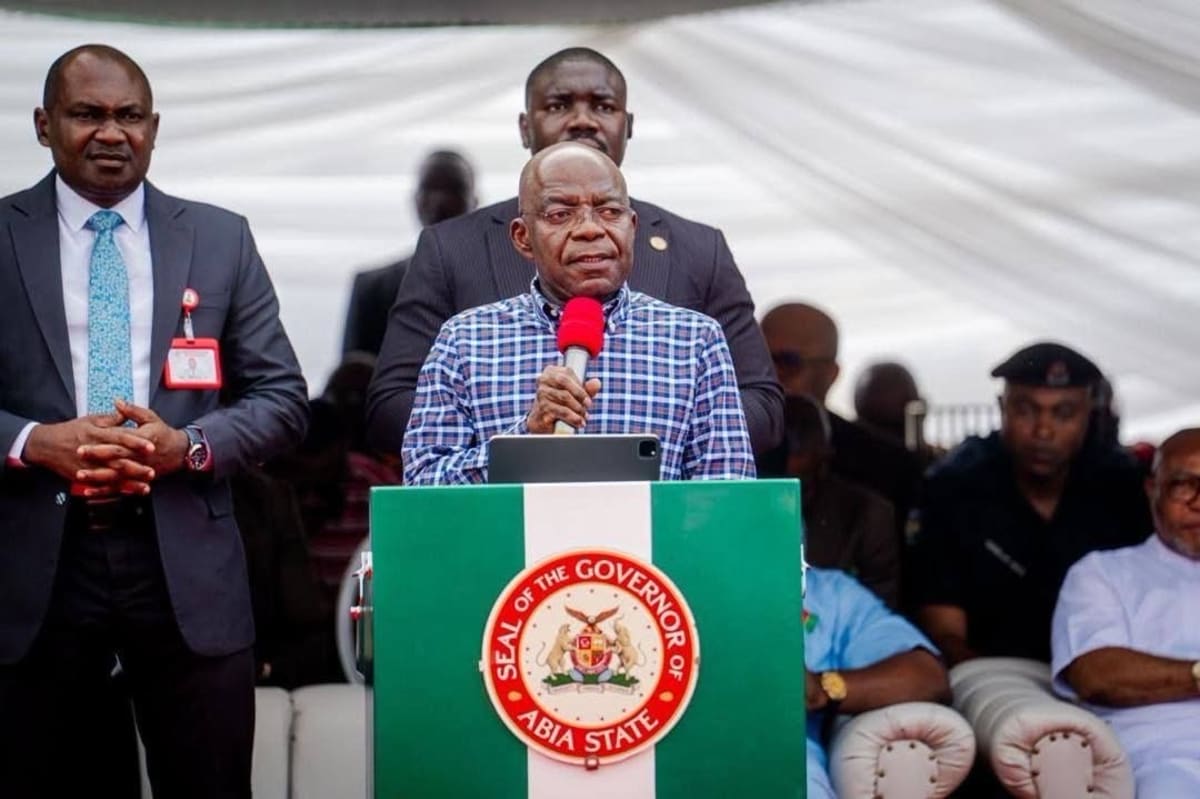
Nigeria's Conditional Cash Transfer programme has reached 8.3 million households across the country, providing direct support to families struggling with economic hardship. Minister of Humanitarian Affairs and Poverty Reduction Dr. Bernard M. Doro shared that the program aims to expand to 15 million households in the coming years.
The initiative works through Nigeria's National Social Register, a database that helps identify and track vulnerable families. Rather than one-time handouts, the program focuses on creating pathways from crisis to stability, helping families move toward economic participation and long-term independence.
The transformation comes at a critical moment. Over 25 million Nigerians need humanitarian assistance annually, with many facing challenges from conflict, climate disasters, and economic strain.
Nigeria recently established a National Council on Humanitarian Affairs and Poverty Reduction to tackle what Doro calls the country's biggest obstacle: fragmentation. When government agencies, charities, and aid organizations work separately, resources get wasted and people fall through the cracks.
The Council brings together federal, state, and local leaders alongside development partners to coordinate their efforts. Instead of dozens of disconnected programs, Nigeria is building what officials describe as "One Humanitarian, One Poverty Response System" with shared data, aligned funding, and clear outcomes.
The Ripple Effect
The coordinated approach goes beyond emergency relief. By connecting immediate humanitarian support with long-term development goals, Nigeria is creating an integrated system where every intervention builds toward economic inclusion and community resilience.
State and local governments are receiving funding, data tools, and technical support to strengthen their own capacity to help residents. The private sector, civil society organizations, and development partners are joining government efforts to ensure no community faces crisis alone.
The shift represents a fundamental change in how Africa's most populous nation tackles poverty. Rather than treating symptoms with temporary fixes, Nigeria is addressing root causes by creating clear pathways from vulnerability to productivity.
"No Nigerian should face a crisis alone," Doro emphasized, reflecting the ministry's commitment since his appointment in November 2025 to coordinate disaster management, humanitarian response, and social protection across the country.
With structures now in place for collaboration and accountability, millions of Nigerian families have reason to hope for more than survival.
Based on reporting by Google News - Poverty Reduction
This story was written by BrightWire based on verified news reports.
Spread the positivity!
Share this good news with someone who needs it