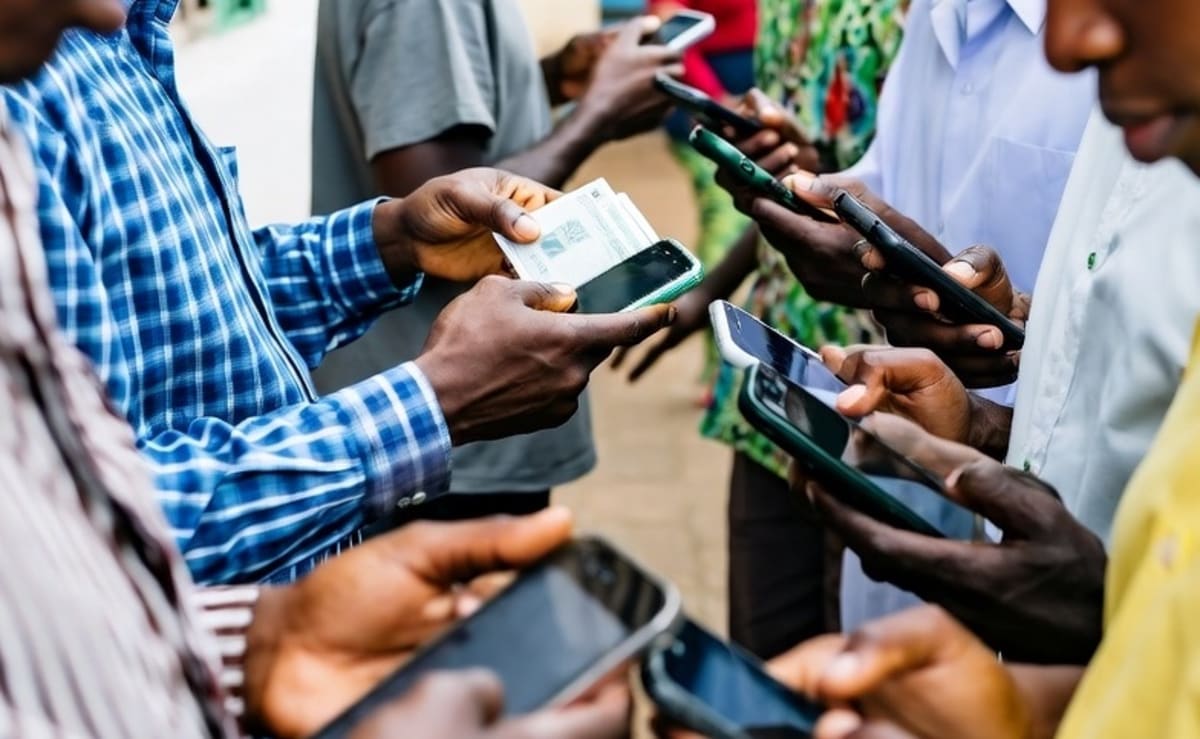
Nigeria Compensates 75M Users for Poor Network Service
Over 75 million Nigerian mobile phone users just received compensation for dropped calls and slow internet after regulators cracked down on service providers. It's one of the largest consumer protection wins in African telecom history.
Imagine getting paid back for every dropped call or failed text message. That's exactly what happened to more than 75 million mobile phone users in Nigeria this year.
The Nigerian Communications Commission ordered telecom companies to compensate customers who suffered through poor network quality. The directive came in March after persistent complaints about dropped calls, network congestion, and frustratingly slow internet speeds plagued users across the country.
Every major mobile network operator complied fully with the order. The commission announced the achievement Tuesday following its 109th governing board meeting, where members reviewed the telecom sector's progress on improving service delivery.
The compensation came alongside massive infrastructure investments. Mobile operators have already completed over 5,000 new coverage and capacity sites, with plans to deploy 12,000 total. That's a 40 percent completion rate toward better service nationwide.
Network providers extended fiber connections to more than 700 sites to strengthen reliability. Infrastructure companies also deployed new equipment across over 2,000 base stations to support the network expansion and enhance service quality.
The Ripple Effect
This regulatory victory reaches far beyond individual refunds. Nigeria has Africa's largest telecom market, and this move sets a powerful precedent for consumer protection across the continent.
When regulators hold companies accountable for service failures, everyone wins. The 75 million compensated users represent a significant portion of Nigeria's mobile subscribers, showing that collective action and strong oversight can force real change.
The infrastructure improvements promise lasting benefits too. Better network coverage means more reliable connections for businesses, students attending online classes, and families staying in touch. Stronger service quality supports economic growth and digital inclusion across communities that have struggled with connectivity.
The commission still faces challenges ahead. Vandalism of telecom infrastructure continues threatening progress, with security agencies now protecting facilities designated as critical national infrastructure. Tower companies have only partially complied with requirements to fund infrastructure reinvestment accounts.
Still, the message is clear: companies must deliver the service quality they promise, and regulators are watching to ensure customers get what they pay for.
More Images



Based on reporting by Premium Times Nigeria
This story was written by BrightWire based on verified news reports.
Spread the positivity!
Share this good news with someone who needs it