Nigeria Completes Pipeline Under River Niger
Nigeria just finished drilling a gas pipeline two kilometers beneath the River Niger, unlocking energy for millions. The breakthrough connects the country's gas networks and will power homes, factories, and neighboring nations.
Engineers in Nigeria just pulled off something remarkable: they drilled a massive pipeline two kilometers under the River Niger, connecting gas fields that will power millions of homes and businesses across West Africa.
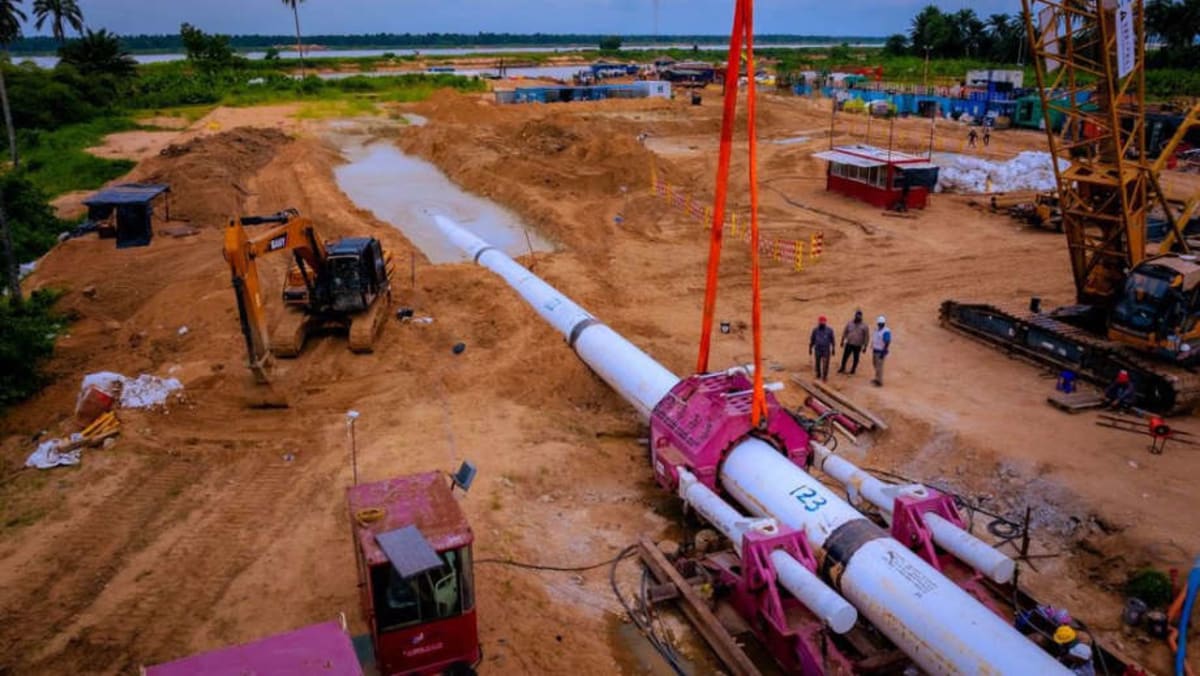
The Obiafu-Obrikom-Oben Pipeline can carry 2 billion cubic feet of gas daily. That's enough to light up cities, run factories, and send surplus energy to neighboring countries who need it.
The technical challenge was enormous. Teams from NNPC Gas Infrastructure Company and PCE Nigeria used horizontal directional drilling to tunnel beneath one of Africa's major rivers. They had to account for shifting riverbeds, water pressure, and the Niger Delta's complex geology.
This wasn't their first rodeo. The same teams completed a similar river crossing on the AKK Pipeline in June 2025, then took those lessons and scaled up for an even tougher challenge.
The Ripple Effect
The immediate impact hits close to home. Within months, the pipeline will deliver over 500 million cubic feet of additional gas to Nigeria's domestic market. That means more reliable electricity for homes that have endured blackouts for years.
But the benefits spread wider. Industrial zones that struggled with inconsistent power can now plan for growth. Manufacturing plants can commit to longer production runs. Small businesses that shuttered during power outages can stay open.
The pipeline also stitches together Nigeria's fractured energy networks. Gas from the eastern regions now flows west and north, creating a unified system that's more resilient to disruptions. When one region faces supply issues, others can help fill the gap.
President Bola Tinubu's "Gas-to-Prosperity" initiative is betting on exactly these kinds of infrastructure wins. Nigeria sits on massive gas reserves but hasn't always been able to get that energy where it's needed most.
The project supports Nigeria's ambitious 2030 targets: 3 million barrels of oil daily and 12 billion cubic feet of gas. The River Niger crossing removes a critical bottleneck that was holding back those goals.
Local communities along the pipeline route backed the project throughout construction. Their cooperation made it possible to navigate the environmental and logistical challenges of building through populated areas.
Nigeria now has the backbone infrastructure to transform its energy story from scarcity to abundance.
More Images



Based on reporting by Premium Times Nigeria
This story was written by BrightWire based on verified news reports.
Spread the positivity!
Share this good news with someone who needs it