Nigeria Creates Panel for State-Level Police Reform
Nigeria's new police chief just launched a committee to design a framework for state police, bringing local security closer to communities. The move could transform how Africa's most populous nation tackles crime and keeps citizens safe.
Nigeria is taking a major step toward safer communities by creating a roadmap for state police, a reform that could bring law enforcement closer to the people who need it most.
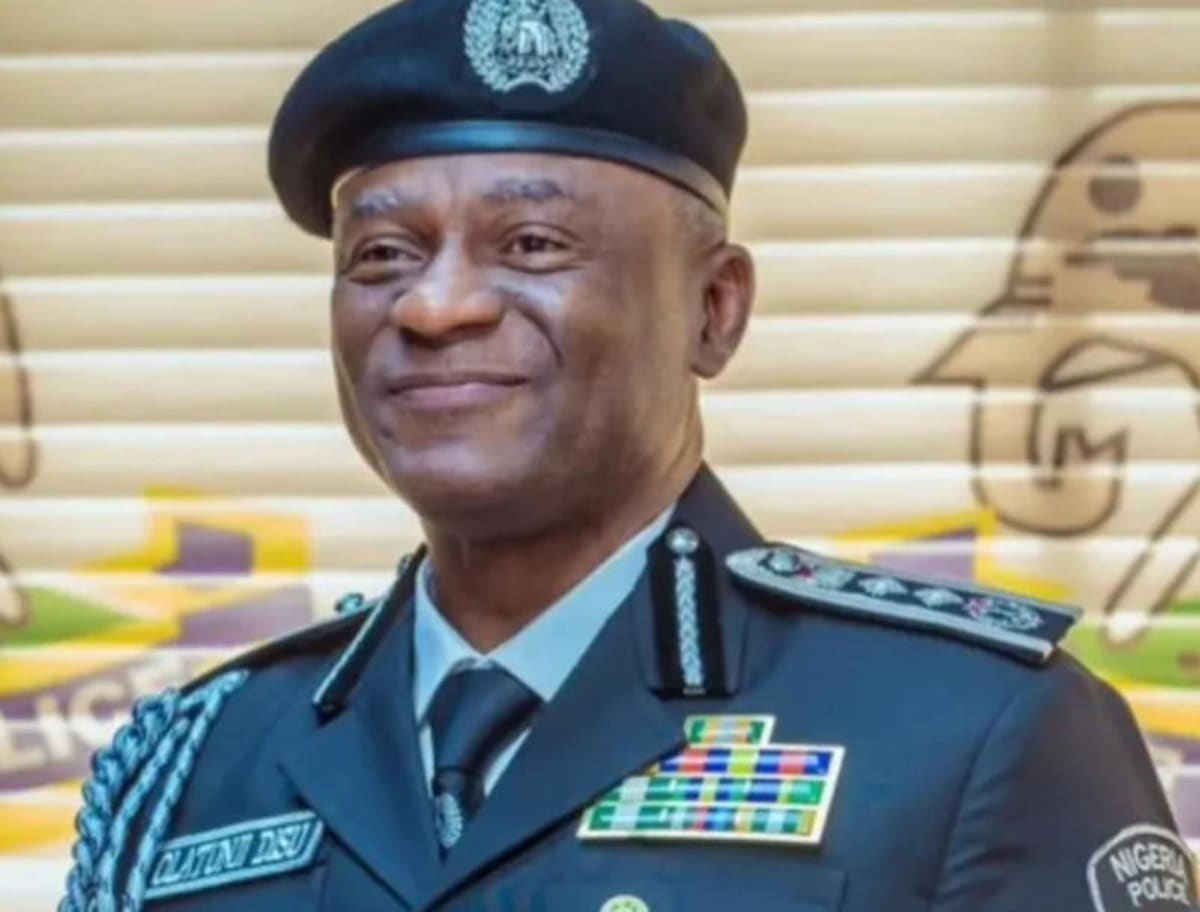
Inspector-General Tunji Disu, sworn in on March 5, 2026, immediately formed a committee to design how state police will work alongside federal officers. The panel has four weeks to deliver recommendations that could reshape security across Africa's largest country.
The timing couldn't be better. President Bola Tinubu recently asked lawmakers to amend the constitution to allow states to create their own police forces, responding to calls from citizens frustrated by security challenges that vary wildly from region to region.
Professor Olu Ogunsakin leads the committee, which includes retired and active police officers tasked with studying successful models from Nigeria and abroad. They'll tackle the big questions: how to recruit and train officers, where funding comes from, and how to prevent abuse of power.
"If properly designed and implemented, state policing could bring law enforcement closer to the people, enhance local knowledge of security dynamics and enable quicker responses to emerging threats," Disu explained at the Presidential Villa in Abuja.
The Ripple Effect
The reform addresses a common complaint: federal police can't understand every community's unique challenges. State officers would know local languages, customs, and trouble spots, potentially stopping crime before it starts.
Disu emphasized this isn't about competition but partnership. Federal police would handle national security while state forces tackle local issues, creating layers of protection rather than confusion.
Critics worry governors might misuse state police for political payback, but Disu promised the committee will study safeguards used in other countries. "Nigeria is not the only country operating state policing," he noted, pointing to successful models elsewhere.
The reform could mean faster response times when someone calls for help, officers who recognize faces in their neighborhoods, and security strategies tailored to each state's reality. For a nation of over 200 million people spanning diverse regions, that local touch matters.
With constitutional changes already in motion and President Tinubu's backing, Nigeria is building a security system that works for everyone, one state at a time.
Based on reporting by Vanguard Nigeria
This story was written by BrightWire based on verified news reports.
Spread the positivity!
Share this good news with someone who needs it