Nigeria Cuts Bus Fares 30% with Clean Energy Switch
Nigeria's transport association just slashed fares by over 30% thanks to a new compressed natural gas program that's putting cleaner, cheaper buses on the road. The partnership is proving that going green can actually save people money.
Commuters across Nigeria are paying a third less for bus rides thanks to a nationwide switch to compressed natural gas vehicles.
The Nigerian Association of Road Transport Owners partnered with the Presidential Initiative on Compressed Natural Gas to deploy 28 new buses running on CNG and hybrid fuel systems. The cleaner-burning vehicles now shuttle passengers between cities and within urban areas, cutting transportation costs by more than 30% while reducing air pollution.
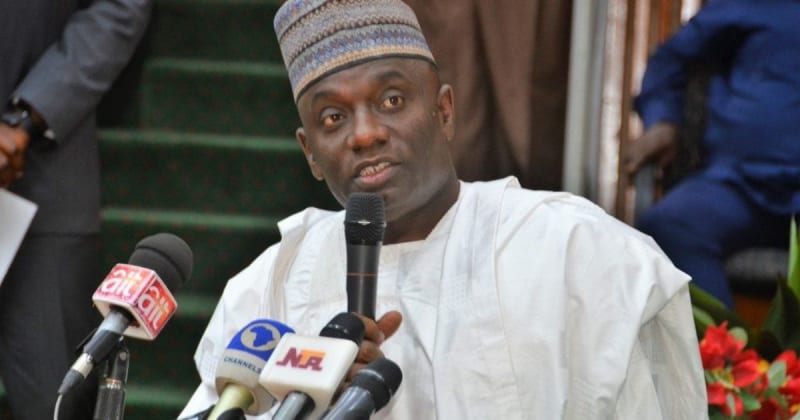
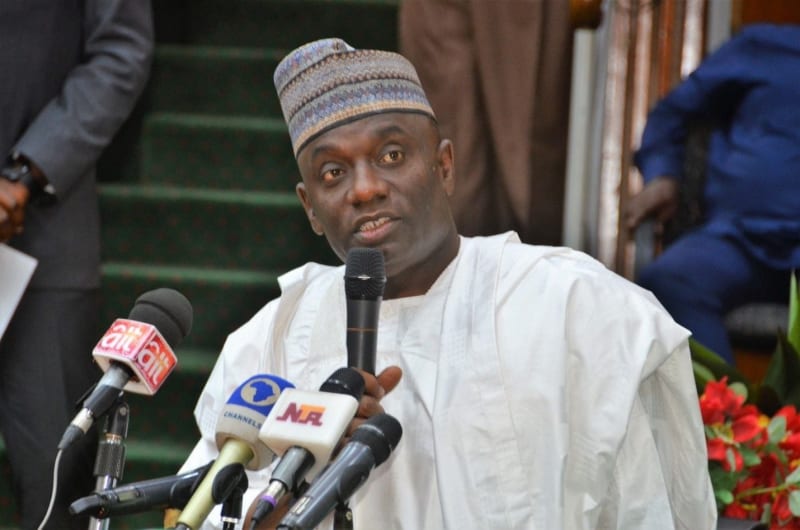
Association President Yusuf Othman announced at the 2026 Annual General Meeting in Abuja that the program has exceeded expectations. The new fleet includes 20 small buses seating 14 passengers, five large 56-seater coaches, and three mid-size 46-seater buses.
More vehicles are on the way. Officials from the CNG initiative have promised additional buses to expand the program, making affordable mass transit available to even more Nigerians.
The timing couldn't be better for a country facing economic pressures. Traditional fuel costs have squeezed both transport operators and everyday passengers, making this shift to alternative energy a lifeline for millions who depend on public transportation.
The Ripple Effect
The benefits extend far beyond cheaper fares. Operators are replacing aging diesel trucks with modern, safer vehicles that require less maintenance and break down less often.
The program is also creating jobs through vehicle deployment, driver training, and new fuel infrastructure. The Dangote Group has joined the effort by deploying thousands of trucks to support petroleum distribution, further strengthening the country's transportation network.
Safety improvements are baked into the initiative. Transport officials are working with security agencies including the National Security Adviser's office, police, and road safety corps to make highways safer for both drivers and passengers.
Lagos State has already signed on to finance fleet replacements through a new program helping operators trade in old vehicles for modern ones. When fully implemented, this could transform urban transportation across Nigeria's largest city.
The association is now pushing for similar partnerships nationwide, proving that environmental solutions and economic relief can work hand in hand. President Bola Tinubu's administration has backed the effort with road improvements and regulatory support.
Othman acknowledged challenges remain, including the need for better road infrastructure and fair pricing mechanisms. But the early success shows what's possible when government, industry, and innovation work together.
The program demonstrates that going green doesn't have to mean going broke—sometimes it's the path to putting money back in people's pockets.
More Images


Based on reporting by Punch Nigeria
This story was written by BrightWire based on verified news reports.
Spread the positivity!
Share this good news with someone who needs it