Nigeria Cuts Textbook Fees 25% to Boost Quality Standards
Nigeria just made it easier for publishers to get their textbooks approved and ranked under a new quality system launching in September. The government slashed assessment fees by 25%, cutting costs from $2,000 to $1,500 per page to encourage more publishers to participate.
Nigerian students are about to get better textbooks in their classrooms, and the government just made it more affordable for publishers to make that happen.
The Nigerian Educational Research and Development Council announced this week that it's cutting textbook assessment fees by 25%. Publishers will now pay 1,500 naira per page instead of 2,000, and the ranking fee dropped from 1 million to 750,000 naira per book.
The timing matters. These reduced fees arrive just ahead of Nigeria's new National Textbook Ranking System, set to launch in September 2026.
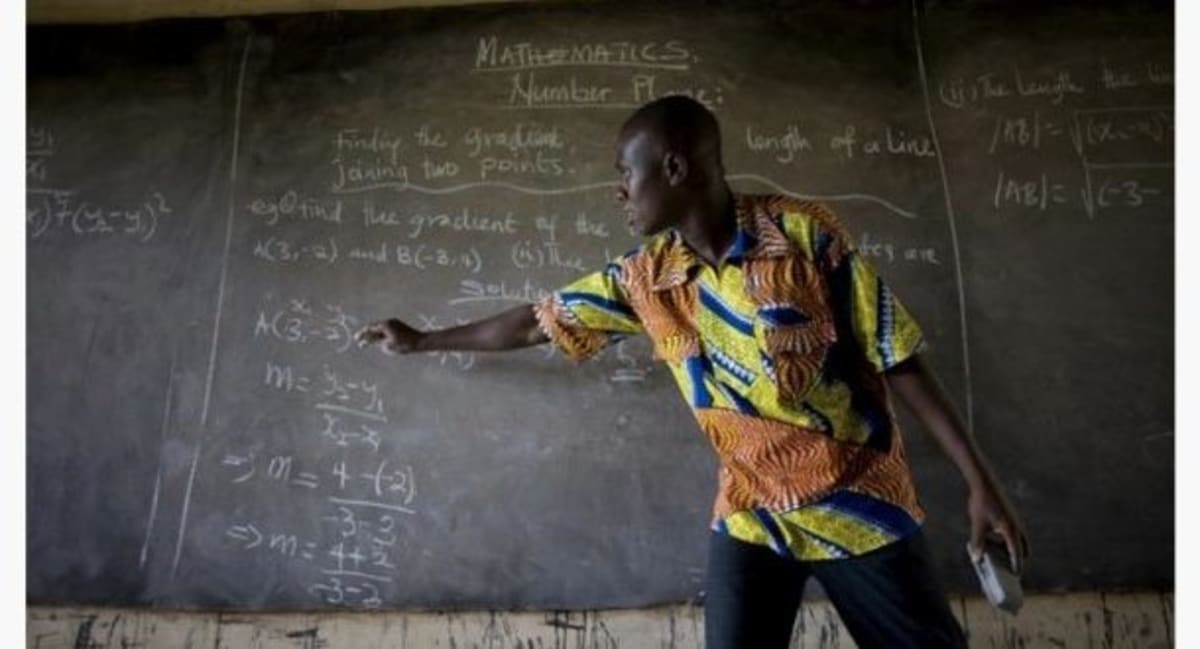
The new system represents a major shift in how Nigeria ensures quality in its classrooms. Starting this fall, every textbook used in schools across the country must be assessed, approved, and nationally ranked by experts.
Here's what makes this different from the old way. In the past, getting approval was enough to land a book in classrooms. Now, approved textbooks go through a comprehensive evaluation by expert panels who check content quality, curriculum alignment, teaching value, and accuracy before assigning a ranking.
Education Minister Dr. Maruf Tunji Alausa introduced the reform to tackle a growing problem. Too many substandard and duplicated textbooks have been flooding Nigerian schools, leaving students and teachers without reliable learning materials.
The ranking system will work as a guide. Schools, teachers, parents, and education administrators can use the rankings to choose the best textbooks for each subject and grade level.
The Ripple Effect
This change reaches far beyond publishers' wallets. When quality textbooks become the standard in every Nigerian classroom, millions of students gain access to accurate, well-designed learning materials that actually match what they're supposed to be learning.
The fee reduction shows the government understands that raising standards shouldn't mean pricing out smaller publishers. By cutting costs now, officials are inviting more voices and perspectives into the evaluation process.
Publishers who already paid the higher rate won't lose out either. The Council promised refunds for the difference, with details coming soon.
Professor Salisu Shehu, the Council's Executive Secretary, emphasized that the new rates take effect immediately. Publishers seeking assessment and ranking should start using the revised fees right away.
The September deadline gives publishers a clear target while ensuring enough time for the evaluation process to work properly.
Nigeria's 200 million people include tens of millions of school children who deserve textbooks that teach them accurately and effectively. This reform puts quality first while making sure the process stays accessible to publishers big and small.
Based on reporting by Vanguard Nigeria
This story was written by BrightWire based on verified news reports.
Spread the positivity!
Share this good news with someone who needs it