Nigeria Delivers 174M Vaccines, Transforms Health Clinics
Nigeria administered over 174 million vaccine doses in just one year, dramatically boosting trust in local health clinics. The campaign has revitalized 4,000 primary care centers and trained 78,000 health workers across the country.
More mothers in Nigeria can now walk to their nearest clinic and get their children vaccinated, thanks to a massive health transformation sweeping the nation.
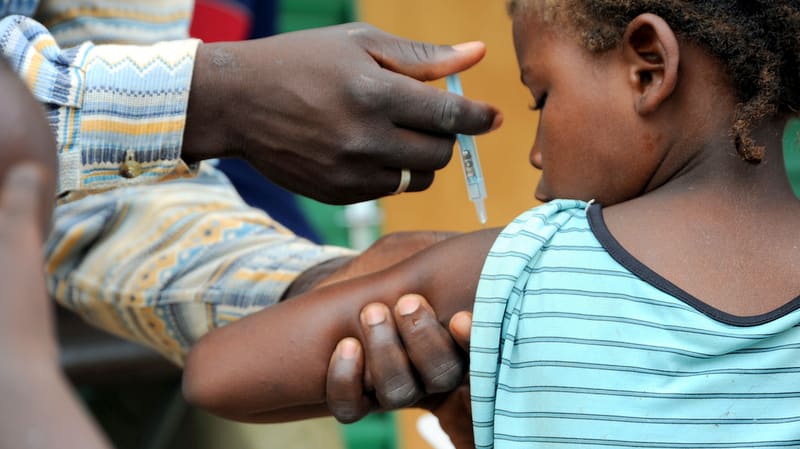
Nigeria's National Primary Health Care Development Agency delivered 174 million vaccine doses in one year, part of an ambitious push to protect children against polio and other preventable diseases. The scale of the effort has restored public confidence in government health facilities that many communities had stopped using.
Muyi Aina, who leads the agency, says the results speak for themselves. Patient visits at primary health centers jumped from 34 million in early 2024 to 47 million by late 2025.
The vaccine campaign became the catalyst for much bigger changes. Over the past 18 months, Nigeria has revitalized 4,000 primary health centers, with 2,332 facilities completely refurbished and equipped to provide comprehensive care. These clinics now offer maternal and newborn services, immunizations, diagnostic tests, and health education.
Getting vaccines to remote villages required creative solutions. The government deployed more than 10,000 solar-powered refrigerators nationwide to keep vaccines cold in areas without reliable electricity. Another 500 facilities received new medical equipment, hospital beds, and laboratory tools.
The human side of the transformation is equally impressive. Nigeria has trained 78,000 health workers out of a goal of 120,000, with states now hiring community-based workers to ensure clinics can serve patients around the clock. To boost morale, the government distributed 50,000 uniforms to frontline workers.
The Ripple Effect
The immunization drive created something unexpected: a network of trusted health facilities where families can access multiple services close to home. Women no longer need to travel hours to reach quality maternal care. Children get their shots on schedule because clinics are staffed, stocked, and open.
Traditional and religious leaders are playing a key role in building trust, particularly in communities where vaccine hesitancy had been high. Their involvement helps ensure no child gets left behind.
A new digital platform now tracks performance across all primary health centers, bringing accountability and helping officials spot problems quickly. The combination of better facilities, trained staff, reliable supplies, and community trust has created a healthcare system that finally works for ordinary Nigerians.
The government plans to expand both routine immunizations and skilled birth attendance, working closely with states and community leaders to bring essential primary healthcare within reach of nearly every Nigerian family.
More Images


Based on reporting by Premium Times Nigeria
This story was written by BrightWire based on verified news reports.
Spread the positivity!
Share this good news with someone who needs it