Nigeria Doubles Health Budget, Revitalizes 6,500 Clinics
Nigeria is rebuilding its healthcare system from the ground up under Professor Muhammad Ali Pate, with a doubled federal health budget and over 6,500 revitalized clinics serving 37 million patient visits in three months. For the first time in decades, ordinary Nigerians are seeing real investment in their health.
For the first time in decades, Nigeria's crumbling healthcare system isn't just being patched up. It's being completely rebuilt.
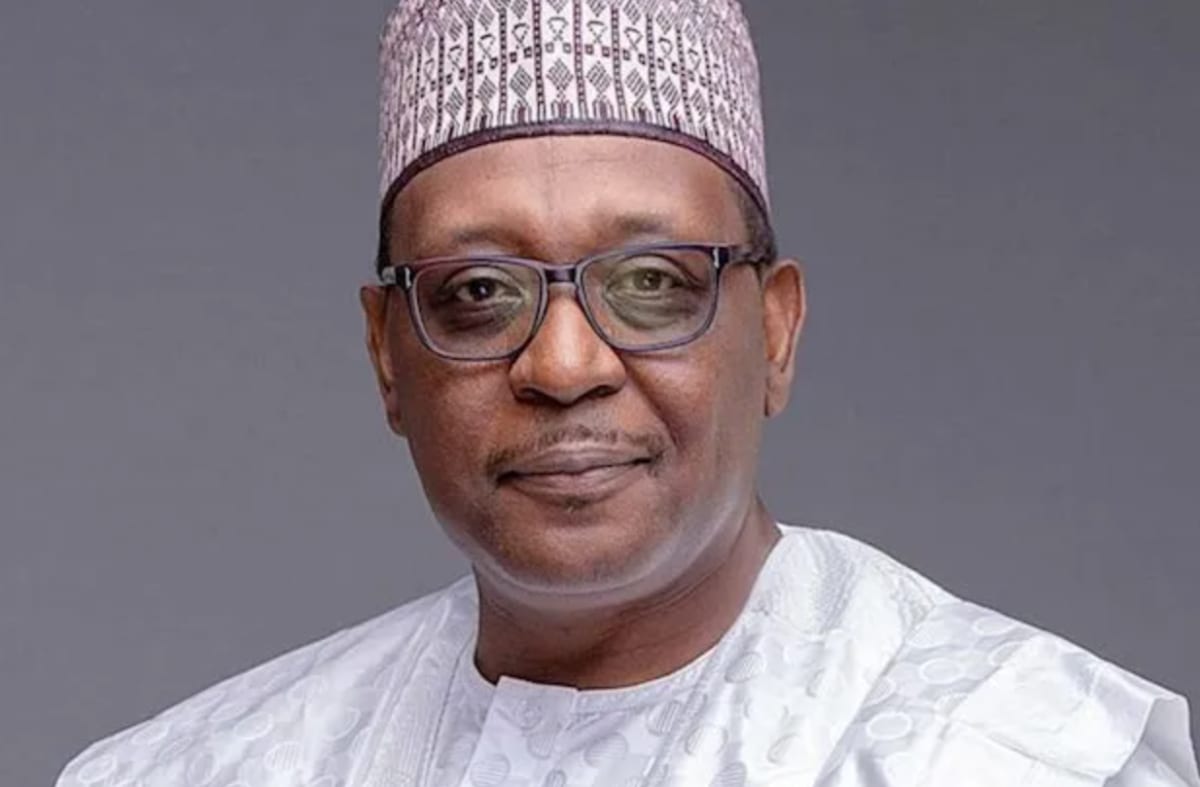
At the center stands Professor Muhammad Ali Pate, Nigeria's Coordinating Minister of Health and Social Welfare. Since 2023, he's led a data-driven transformation that's turning Africa's most populous nation into a model for healthcare innovation.
The numbers tell a powerful story. Nigeria's federal health budget more than doubled from 1.17 trillion naira in 2023 to 2.71 trillion naira in 2025. Over $3.4 billion in funding has poured in from government and development partners working together under one unified plan.
That money is reaching people where they need it most. Over 1,000 primary healthcare centers have been fully renovated, with another 5,500 under construction. These facilities now have solar power, clean water, and digital tools that were unimaginable just two years ago.
The results are already showing up in patient care. In the first quarter of 2025 alone, these revitalized centers recorded 37 million patient visits. Between May 2023 and April 2025, there were 13.1 million antenatal care visits and 4.2 million safe deliveries, with thousands of free cesarean sections provided to mothers who needed them.
Pate isn't new to this work. As CEO of Nigeria's National Primary Health Care Development Agency from 2008 to 2011, he helped slash polio cases by 95 percent. He later led health initiatives at the World Bank and GAVI before President Bola Tinubu called him home in 2023.
His approach breaks from the old model of short-term projects and donor dependency. Instead, he's building sustainable systems that leverage local resources and hold everyone accountable through real-time performance tracking across all 774 local government areas.
Women's health, long Nigeria's most painful gap, is finally getting serious attention. A targeted program is focusing on the 172 areas responsible for over half of maternal deaths. Over 12 million adolescent girls have received HPV vaccines to prevent cervical cancer.
The "Know Your Numbers" campaign has screened 10 million citizens for hypertension, diabetes, and cholesterol. Health insurance enrollment jumped by four million in a single year, now covering 20 million Nigerians. Public trust in the health system climbed from 30 percent in 2023 to 47 percent in 2024.
Three world-class cancer treatment centers have opened, directly challenging the need for expensive medical tourism abroad. A new Catastrophic Health Insurance Fund now protects cancer and dialysis patients from financial devastation.
The Ripple Effect
The transformation is creating waves beyond hospital walls. Local pharmaceutical manufacturing is booming after import-duty waivers brought in over 40 new manufacturers and billions in private investment. This means jobs, economic growth, and medicine made closer to home.
The impact reaches rural communities that have been ignored for generations. Solar-powered clinics in remote areas now offer the same digital tools found in urban centers. Nearly 50 billion naira has flowed directly to 4,362 healthcare facilities through the Basic Healthcare Provision Fund.
Challenges remain, including slow budget releases in some areas and ongoing healthcare worker migration. But the momentum is undeniable.
Nigeria is proving that even the largest challenges can be tackled with the right leadership, data-driven decisions, and unwavering focus on ordinary people's lives.
More Images



Based on reporting by Premium Times Nigeria
This story was written by BrightWire based on verified news reports.
Spread the positivity!
Share this good news with someone who needs it