Nigeria Drops Charges Against Student After Public Outcry
A Nigerian university student arrested for social media criticism will go free after thousands demanded justice. Public pressure convinced authorities to withdraw controversial charges that had lawyers questioning government overreach.
Maryam Shehu will finish her final exams after all, thanks to Nigerians who refused to stay silent when she needed them most.
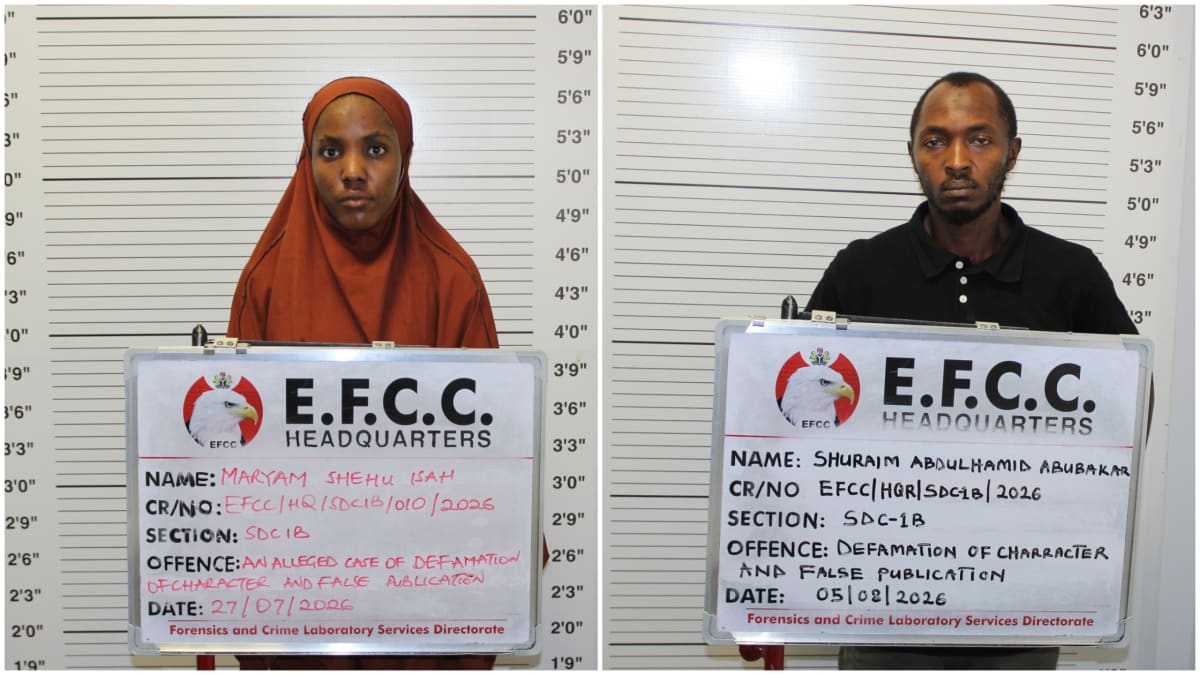
The Bayero University student spent over a month detained after posting on Instagram about alleged corruption within Nigeria's Economic and Financial Crimes Commission. She claimed officials assaulted someone on orders from a director who took a N20 million bribe. The EFCC arrested her for "malicious falsehood" and paraded her before cameras.
But something remarkable happened next. Lawyers, activists, students, and everyday Nigerians rallied together. They questioned why an anti-corruption agency was prosecuting someone for criticizing corruption. They challenged whether the EFCC even had legal authority to charge someone over a social media post.
The pressure worked. EFCC Chairman Ola Olukoyede ordered charges dropped against Shehu and another defendant, Abubakar Abdulhamid, who faced similar accusations.
Lawyer Hamza Dantani had argued that defamation doesn't become an economic crime just because it happens on social media. He reminded authorities that the EFCC must stay within its legal boundaries, not act as a "general-purpose police force."
The National Association of Nigerian Students showed up at the courthouse in solidarity. Activist Omoyele Sowore coordinated with other lawyers to secure her freedom. Even Shehu's father appealed publicly for leniency.
Why This Inspires
This story shows accountability working exactly as it should. When authorities overstepped, citizens didn't shrug and move on. They spoke up, organized, and demanded better.
Shehu's case also highlights a growing global conversation about free speech in the digital age. Young people increasingly use social media to expose wrongdoing, and this victory suggests that power still belongs to the people when they stand together.
The lawyers who volunteered their time, the students who showed solidarity, and the thousands who shared her story online proved that collective action can challenge even powerful government agencies.
University officials are now being urged to let Shehu retake any exams she missed during detention, recognizing the "extraordinary circumstances" of her case.
One student's courage to speak up, amplified by a nation's refusal to look away, turned what could have been a cautionary tale into a celebration of civic power.
More Images


Based on reporting by Premium Times Nigeria
This story was written by BrightWire based on verified news reports.
Spread the positivity!
Share this good news with someone who needs it