Nigeria Earns Credit Upgrade After Economic Reforms Pay Off
S&P Global Ratings upgraded Nigeria's credit rating from B- to B, recognizing three years of sustained economic reforms that are strengthening the nation's financial future. The upgrade follows similar positive ratings from Fitch and Moody's, signaling growing global confidence in Africa's largest economy.
After years of bold economic reforms, Nigeria just received a vote of confidence from one of the world's top financial watchdogs.
S&P Global Ratings upgraded Nigeria's sovereign credit rating to "B" from "B-" this week, citing improvements in the country's economy, foreign exchange position, and ongoing structural changes. The upgrade puts Nigeria in a stronger position to attract investment and secure better financing terms for development projects.
The rating agency pointed to several game-changing developments. Higher oil production, increased domestic refining capacity through facilities like the Dangote Refinery, and the 2023 liberalization of the foreign exchange market have all strengthened Nigeria's economic position. These changes have made it easier for businesses to access foreign currency and boosted investor confidence.
The numbers tell an encouraging story. Nigeria's debt-to-revenue ratio is projected to drop to 338 percent in 2026 from about 500 percent in 2023. The current account surplus is expected to rise to 5.8 percent of GDP in 2026, up from 4.8 percent in 2025.
President Bola Tinubu's government made tough calls that are now paying dividends. The decision not to reintroduce fuel subsidies, while politically difficult, helped prevent wider budget deficits and preserve foreign exchange reserves. Reforms expanding the tax base and increasing petroleum revenue transfers to the federal government have strengthened fiscal performance.
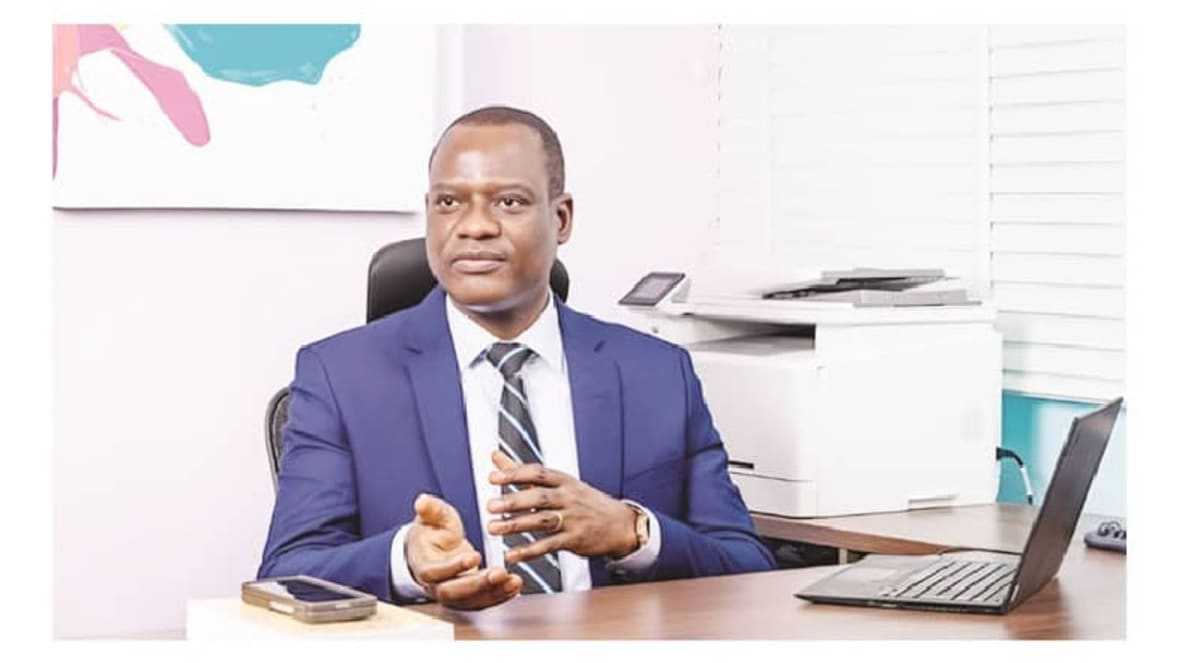
Finance Minister Taiwo Oyedele celebrated the milestone, noting that all three major global ratings agencies have now upgraded Nigeria. "These independent assessments collectively affirm that the difficult but necessary reforms are yielding measurable results," he said in a statement.
The Ripple Effect
The triple upgrade from S&P, Fitch, and Moody's sends a powerful message to international investors and development partners. It means Nigeria can potentially borrow money at lower interest rates, freeing up funds for critical priorities like infrastructure, education, and healthcare.
For ordinary Nigerians, improved credit ratings can translate into more foreign investment, which creates jobs and economic opportunities. The increased domestic refining capacity reduces dependence on imported fuel, which helps stabilize prices and keeps more money circulating within the Nigerian economy.
S&P projects inflation will average 17.7 percent in 2026 before declining to below 10 percent by 2028. While challenges like unemployment, food security, and regional conflicts remain, the stable outlook reflects confidence in Nigeria's trajectory.
Minister Oyedele acknowledged the work ahead, thanking citizens for their "resilience, patience, and support" through difficult transitions. The government remains committed to tackling inflation, unemployment, and ensuring economic growth benefits all Nigerians.
Three years of tough choices are building the foundation for a more stable, transparent economy that works better for everyone.
More Images



Based on reporting by Punch Nigeria
This story was written by BrightWire based on verified news reports.
Spread the positivity!
Share this good news with someone who needs it