Nigeria Ends 15-Year Oil Dispute, Unlocks 150K Barrels Daily
After more than 15 years of legal battles, Nigeria just settled a major oil dispute that could add 150,000 barrels per day to the country's production. The agreement sends a powerful message to global investors that Africa's largest economy is ready for business.
Nigeria just turned the page on one of its longest-running energy disputes, and the payoff could reshape the nation's economic future.
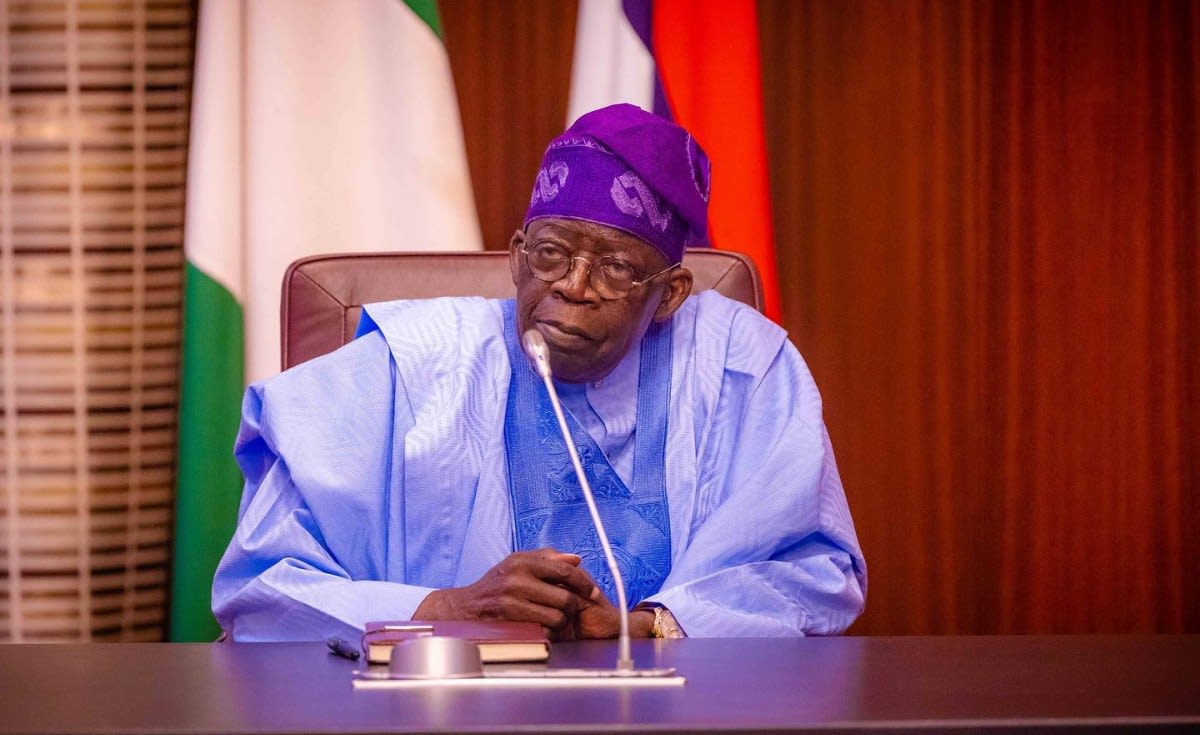
President Bola Tinubu presided over a historic settlement Thursday between Nigeria's government and energy companies ENI and Nigerian Agip Exploration Limited. The agreement resolves a 15-year conflict over Oil Prospecting Licence 245, one of Nigeria's most valuable deepwater oil blocks.
The dispute had frozen development of the Zabazaba-Etan oil field, leaving massive potential locked beneath the ocean floor. Now that the legal fog has lifted, the project can move forward with a Final Investment Decision.
The numbers tell an encouraging story. Once developed, the field could pump approximately 150,000 additional barrels of oil per day into Nigeria's production capacity. For context, that's enough to significantly boost the country's energy output and economic prospects.
President Tinubu called the resolution "a strategic milestone" that proves Nigeria is serious about addressing old problems with transparency. "This resolution sends a clear signal to global investors that Nigeria is prepared to address legacy issues transparently, uphold the rule of law, and create a stable environment for long-term capital," he said.
The agreement improves on a previous 2011 settlement attempt that never took hold. This new version reflects updated regulations under Nigeria's Petroleum Industry Act and stronger safeguards for the country's interests while giving investors the predictability they need to commit serious capital.
The Ripple Effect
The settlement represents more than just one resolved dispute. It's part of a broader reform program launched in 2023 to make Nigeria competitive in global energy markets again.
These reforms have already attracted renewed investor interest and fresh capital flowing into Nigeria's oil and gas sector. By removing one of the most prominent risks in the country's upstream energy sector, the government has demonstrated it can create stable conditions for long-term investment.
Presidential Adviser on Energy Olu Verheijen emphasized that the revised terms strike a balance. Investors get the clarity they need to proceed with major deepwater projects, while Nigeria ensures stronger value and protections for its people.
The settlement involved collaboration across multiple government bodies, including the Attorney General's office, the Ministry of Petroleum Resources, and the Nigerian Upstream Petroleum Regulatory Commission. That kind of coordinated effort signals institutional commitment to change.
For ordinary Nigerians, the real promise lies in what comes next: growth, jobs, and the chance for the nation's natural resources to deliver lasting prosperity instead of endless legal battles.
Based on reporting by AllAfrica - Headlines
This story was written by BrightWire based on verified news reports.
Spread the positivity!
Share this good news with someone who needs it