Nigeria Fast-Tracks Bill for Women in Parliament
Nigeria's House of Representatives is rushing to pass a landmark bill that would create special seats for women in government. The move could help fix a major gap in a country where women hold fewer than 5% of elected positions.
Nigeria's parliament just took a major step toward fixing one of the world's worst gender gaps in politics.
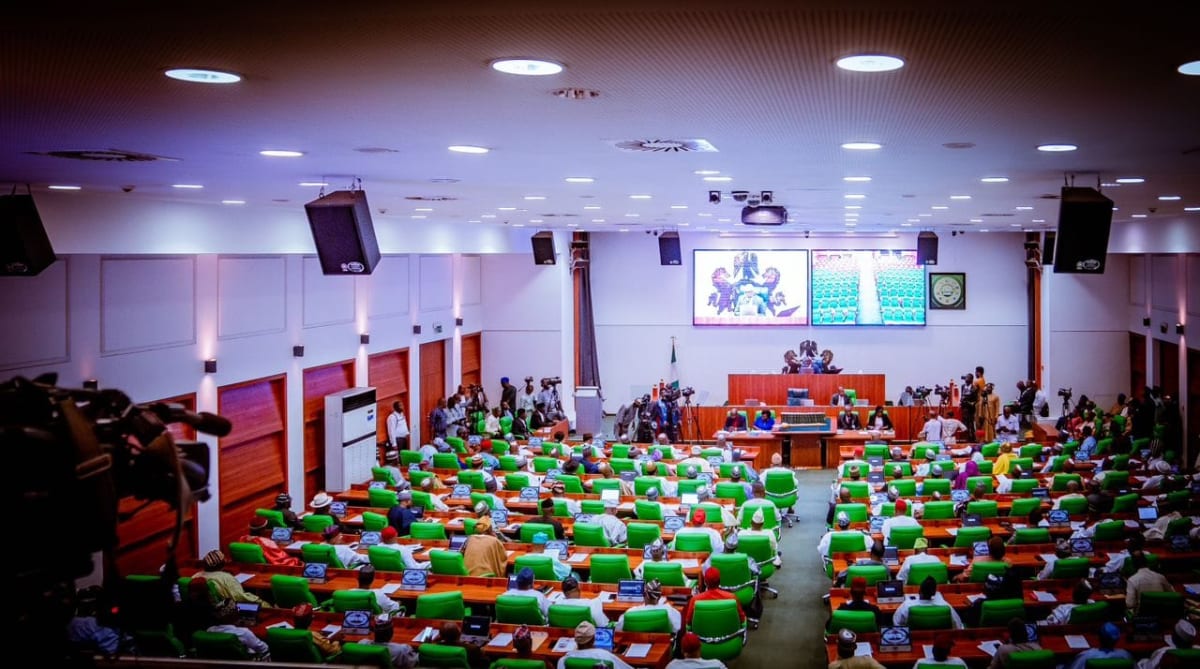
The House of Representatives voted Thursday to fast-track a constitutional bill that would reserve special seats for women in both national and state legislatures. Right now, women make up nearly half of Nigeria's population but hold less than 5% of elected offices, ranking among the lowest globally.
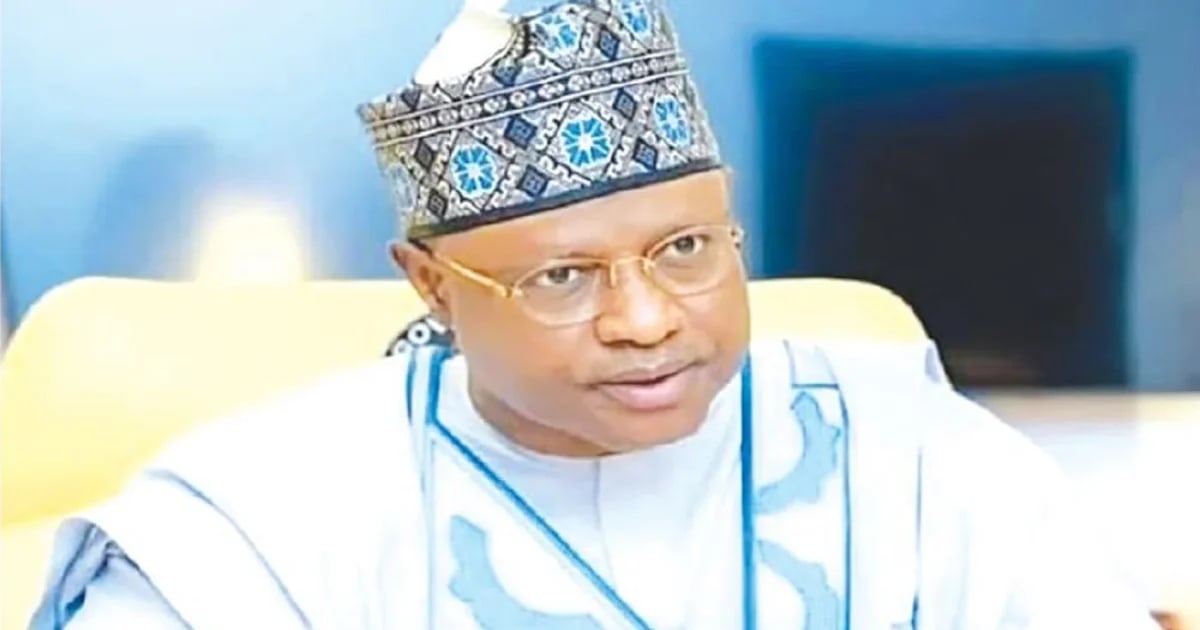
Lagos Representative Jesse Onuakalusi led the charge, calling the bill a "temporary corrective mechanism" to fix what he described as a fundamental flaw in Nigerian democracy. The proposal would create additional seats exclusively for women, giving them a guaranteed voice in lawmaking.
Nigeria isn't starting from scratch. Countries like Kenya, South Africa, and Uganda have used similar quota systems to dramatically boost female representation in government. Those nations now benefit from what research shows: more women in leadership means better outcomes in healthcare, education, and social services.
The bill aligns with international agreements Nigeria has already signed, including the Convention on the Elimination of All Forms of Discrimination Against Women and the African Union's Agenda 2063. Despite these commitments, previous attempts to pass similar legislation failed twice before, lacking the two-thirds majority needed.
This time feels different. The motion passed without debate and went straight to the committees on Women Affairs and Constitution Review. Civil society groups, traditional leaders, and media organizations are being called on to build public support while state assemblies prepare for quick approval.
The Ripple Effect
When women gain seats at the decision-making table, entire communities benefit. Studies across Africa show that female legislators prioritize family health, education access, and economic programs that lift up the most vulnerable. In Rwanda, where women hold 61% of parliamentary seats, maternal mortality dropped significantly after women-led health initiatives passed.
Nigeria's push comes with one major catch: timing. Party primaries are already underway for upcoming elections, running from April 23 to May 30. Even if the bill passes quickly, it likely won't affect this election cycle.
Still, advocates see this as progress worth celebrating. The bill represents a recognition that inclusive democracy isn't just fair, it's essential for a nation's growth and stability.
If Nigeria's lawmakers follow through, nearly 100 million Nigerian women will finally see their numbers reflected in the halls of power.
More Images



Based on reporting by Premium Times Nigeria
This story was written by BrightWire based on verified news reports.
Spread the positivity!
Share this good news with someone who needs it