Nigeria Fights Phone Scams With Real-Time Fraud Alerts
Nigeria's telecom regulator is launching a system that flags suspicious phone numbers instantly, protecting millions from fraud. The move comes as scammers exploit recycled SIM cards to steal identities and drain bank accounts.
Your phone number has become more than a way to call friends. In Nigeria, it unlocks your bank account, verifies government services, and proves who you are online.
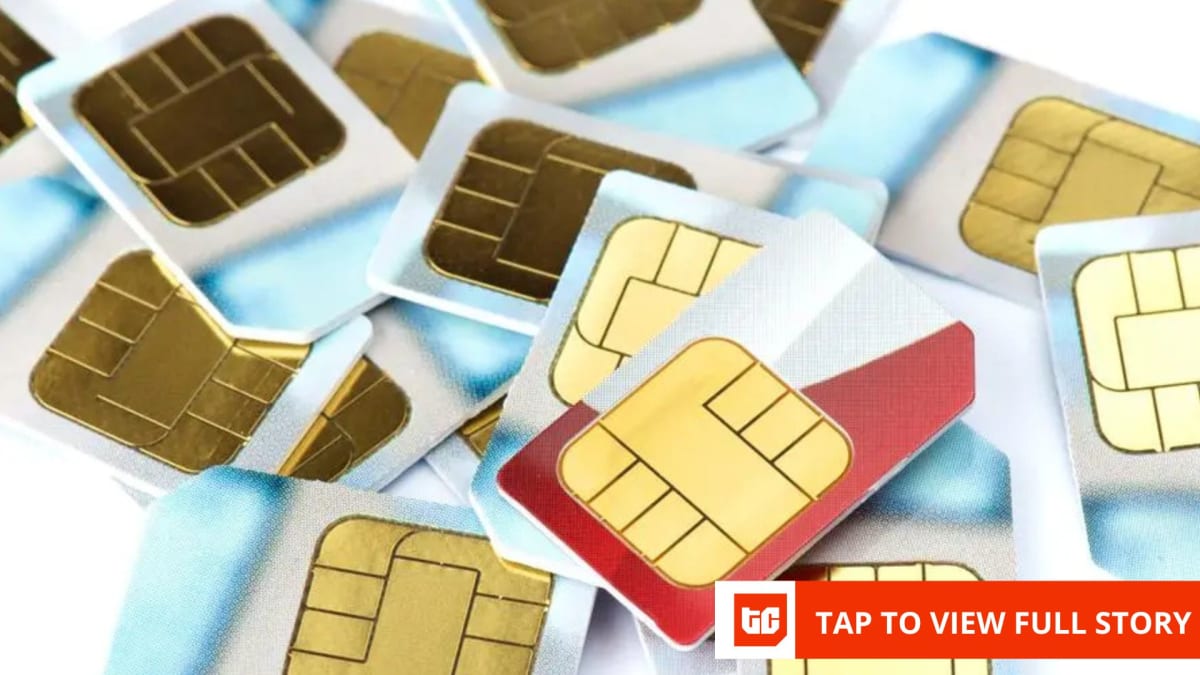
That power has made phone numbers a goldmine for scammers. When inactive numbers get recycled to new users, fraudsters exploit the gap to hijack old accounts and steal money.
Now Nigeria's Communications Commission is fighting back with a groundbreaking solution. The new Telecoms Identity Risk Management System will track every phone number's status in real time, alerting banks and services when something looks suspicious.
The system works like a nationwide fraud detector. If your number was recently reassigned, swapped, or flagged for suspicious activity, companies will know before granting access to sensitive accounts.
Telecom companies will now have to warn users 14 days before their numbers get reassigned. They'll also report recycled numbers to the central system within a week, closing the window scammers use to strike.
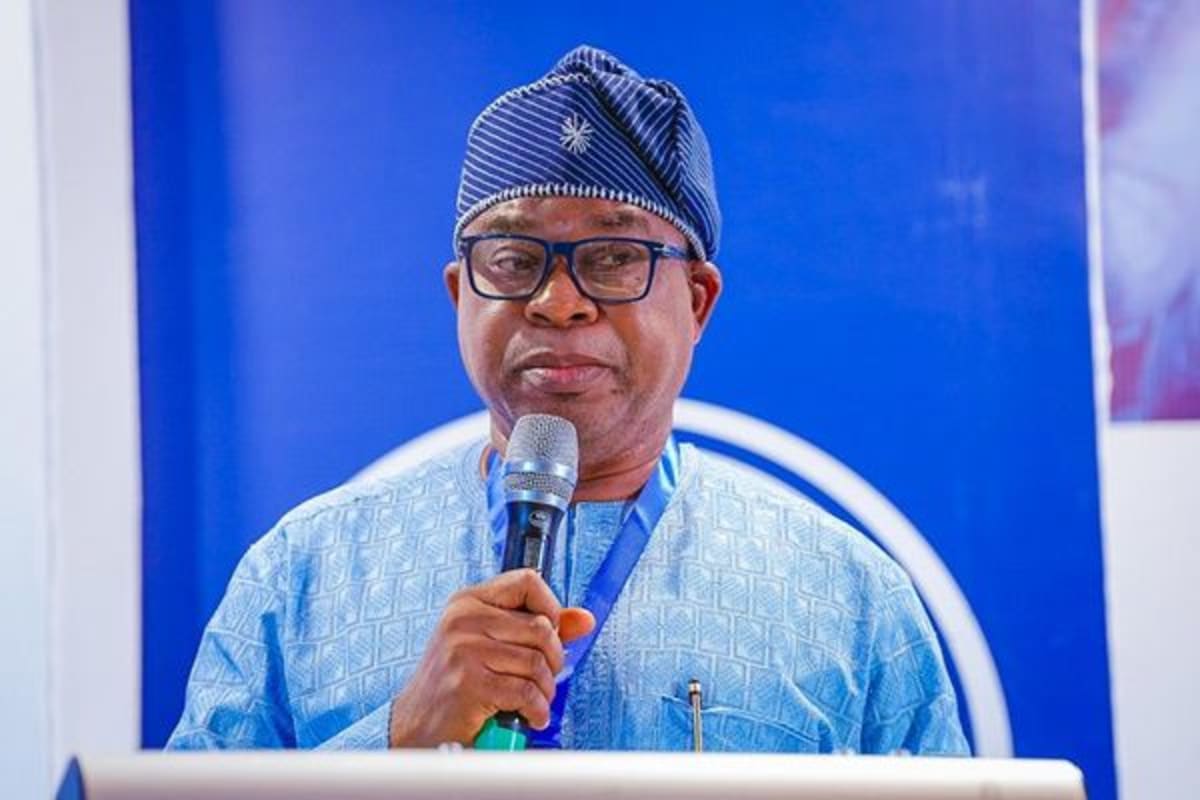
"The mobile phone number has evolved into a critical identifier underpinning financial transactions," said NCC Executive Vice Chairman Aminu Maida. The problem is that this evolution created dangerous vulnerabilities fraudsters learned to exploit.
The Ripple Effect spreads across Nigeria's entire digital economy. Banks can verify numbers before account recovery. E-commerce platforms can spot recycled numbers before processing payments. Government services can confirm identities with confidence.
MTN, Nigeria's largest telecom operator, supports the plan but wants guaranteed participation from banks. A previous alert system failed because financial institutions rarely checked it, letting fraud continue unchecked.
The company recommends making the system mandatory for all sectors and creating a technical team to handle integration challenges. Without universal adoption, the platform could become another underutilized tool gathering digital dust.
Some practical hurdles remain. Notifying users before reassigning numbers requires having their email or backup phone, which many Nigerians never provide. The country also lacks a unified database linking national ID numbers to phone numbers across all networks.
Despite these challenges, Nigeria is pioneering an approach other countries may soon follow. As phone numbers become universal digital keys worldwide, protecting them from fraud becomes essential infrastructure.
The commission emphasizes collaboration between telecom operators, banks, regulators, and law enforcement. This cross-sector approach recognizes that phone fraud isn't just a telecom problem but a threat to the entire digital ecosystem.
For everyday Nigerians, the changes mean safer banking, more secure online shopping, and greater confidence their digital identity won't be stolen through a recycled phone number. Real progress happens when systems work together to protect people.
Based on reporting by TechCabal
This story was written by BrightWire based on verified news reports.
Spread the positivity!
Share this good news with someone who needs it