Nigeria Harvests 2.5M Tons of Food in 4 Seasons
Nigeria's agricultural program has produced over 2.5 million metric tons of food worth $1.4 billion, helping lower food prices across the nation. The government is now reviewing what worked to make the program even better.
Nigeria just hit a major milestone in its fight against hunger, and the numbers tell a story of real progress for millions of families.
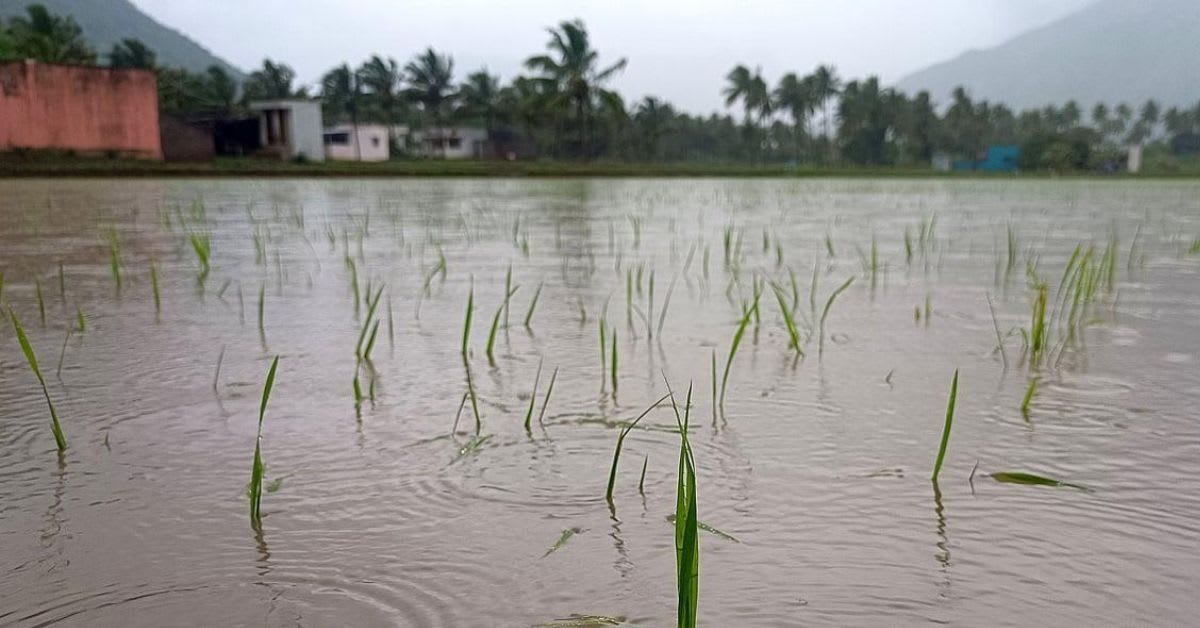
Over the past four farming seasons, the National Agricultural Growth Scheme and Agro-Pocket Project has helped farmers grow 2.5 million metric tons of food. That massive harvest is worth about 2.3 trillion naira, or roughly $1.4 billion.
The impact is already showing up where it matters most. Food prices across Nigeria are dropping, making meals more affordable for everyday families who've struggled with rising costs.
On Thursday, Minister of State for Agriculture Senator Aliyu Abdullahi gathered experts to review what's working and what needs improvement. "We are here to objectively examine its strengths and weaknesses with a view to identifying what needs to be modified to make it better, more efficient, more effective, and more impactful," he said.
The program focuses on six essential crops that feed the nation: wheat, rice, maize, sorghum, soybean, and cassava. Using a digital platform, it delivers subsidized seeds and fertilizer directly to smallholder farmers who need them most.
Backed by $134 million from the African Development Bank, the initiative launched in 2023 as part of President Bola Tinubu's emergency declaration on food security. It reflects a nationwide commitment to ensuring every Nigerian has access to affordable, nutritious food.
Now the program is expanding even further. Japan International Cooperation Agency is funding new projects focused on rice, maize, soybean, and cassava. A second phase will boost wheat and rice production starting this wet season.
For the 2025-2026 dry season, farmers in all 36 states plus the Federal Capital Territory will receive support for rice, maize, and cassava production. Agricultural extension agents and quality control officers will work directly with farmers to improve techniques and ensure quality inputs.
The Ripple Effect
When farmers succeed, entire communities benefit. The 2.5 million tons of harvested food represents more than just numbers on a spreadsheet. It means families can afford dinner, children get proper nutrition, and rural communities gain economic stability.
National Project Coordinator Ishaku Buba emphasized that the program goes beyond just handing out supplies. It's building lasting support systems that help farmers improve their skills and sustain higher yields season after season.
The review workshop shows the government's willingness to listen and adapt. Officials are actively seeking feedback from farmers, agricultural experts, and community leaders to fine-tune the program.
As Nigeria tackles food security head-on, this harvest proves that strategic investment in farmers pays dividends for everyone.
More Images



Based on reporting by Punch Nigeria
This story was written by BrightWire based on verified news reports.
Spread the positivity!
Share this good news with someone who needs it