Nigeria Launches 28 Solar Mini-Grids to Power Rural Areas
While Nigeria's national grid collapsed 16 times in two years, the government is installing 28 new solar-powered mini-grids this quarter to bring reliable electricity to communities left in the dark. These local power systems are proving faster and more dependable than waiting for the struggling national grid to reach rural areas.
In a country where the national electricity grid collapsed three times in one week last October, Nigeria is betting big on a different kind of power.
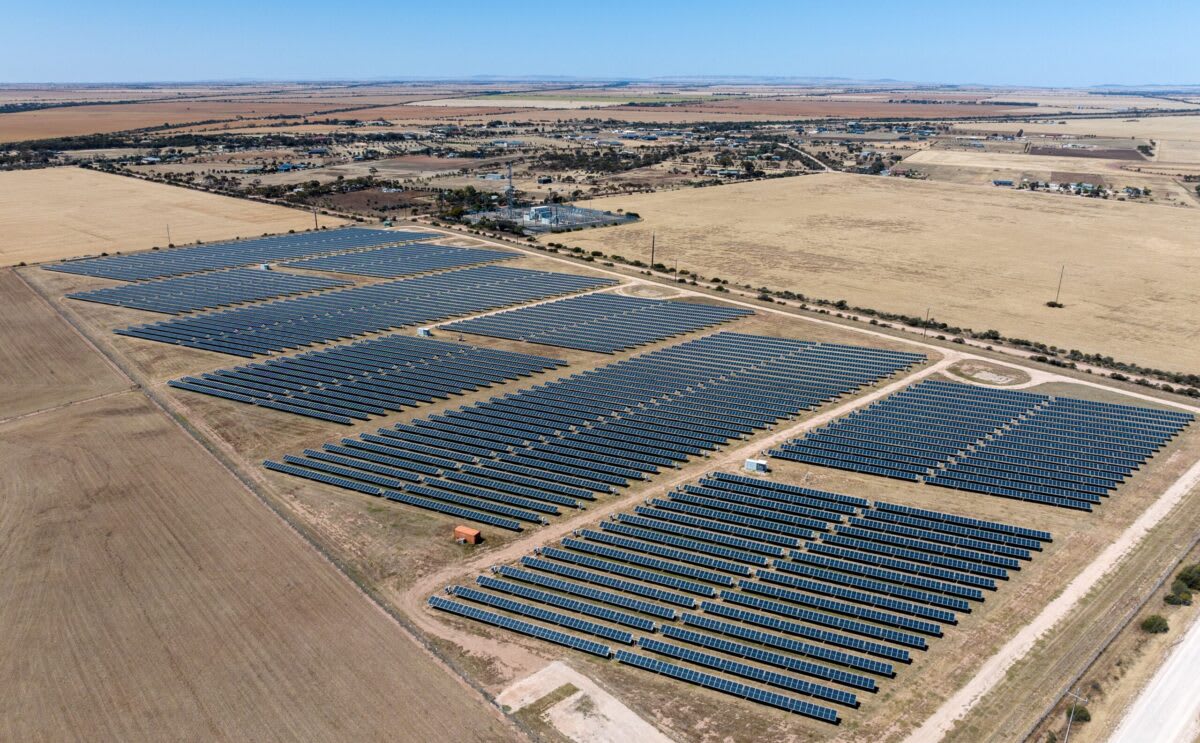
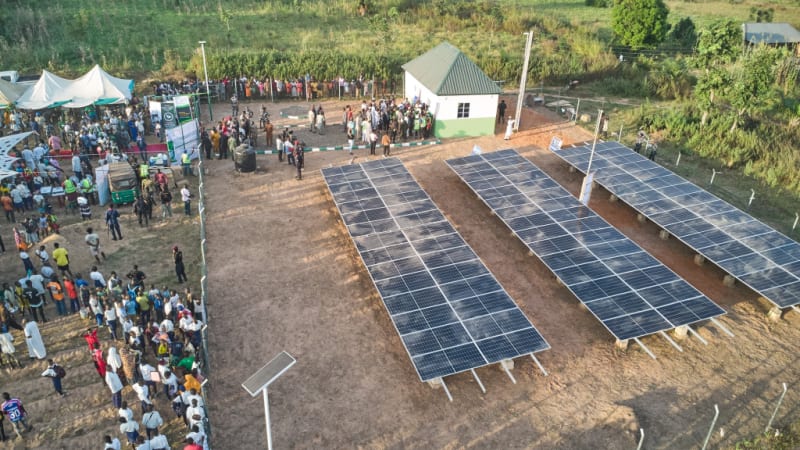
The government plans to complete 28 new mini-grids by March 2026, bringing reliable solar electricity to rural communities that have spent decades in darkness. These small, local power systems combine solar panels, batteries, and smart meters to deliver steady electricity when people need it, not when the grid allows it.
The timing couldn't be more urgent. Nigeria's national grid collapsed 16 times between 2024 and 2025, leaving over 200 million people without power. Even on good days, the grid generates just 4,140 megawatts, far below what the country needs.
Abba Aliyu, who leads the Rural Electrification Agency, calls mini-grids "a development catalyst" that powers not just homes but schools, health centers, and local businesses. The technology works because it doesn't depend on the fragile national system that keeps failing.
Already, 170 mini-grid networks operate across Nigeria, mostly in areas the national grid never reached. In Olooji, Ogun State, a solar mini-grid installed in 2024 now generates 146,000 kilowatt-hours annually, replacing diesel generators that filled the air with fumes and drained family budgets. In Ajegunle, Edo State, 3,500 residents now have steady power from a single 40-kilowatt system.
The government isn't stopping at 28. Another 391 mini-grids are moving forward under a World Bank program, with signed agreements already in place. Eight federal universities will get their own solar hybrid plants this year.
The Ripple Effect
This shift goes beyond keeping lights on. The mini-grids deploy faster than traditional grid extensions, which can take years and millions in capital. They create local jobs and reduce Nigeria's dependence on imported fuel and equipment.
In 2025, the Rural Electrification Agency secured over $430 million in commitments for local manufacturing of renewable energy equipment. That means solar panels, batteries, and other components will increasingly be made in Nigeria, creating manufacturing jobs while making mini-grids more affordable to build and maintain.
For households that once spent hours each day without power or paid premium prices for diesel generators, these systems offer something transformative: predictable electricity they can afford. The smart prepaid meters let families control their spending while ensuring mini-grid operators get paid, making the systems financially sustainable.
As Nigeria's national grid continues struggling with transmission bottlenecks, gas shortages, and decades of underinvestment, these decentralized power networks prove that solutions don't always need to be massive to work.
Reliable power is finally reaching communities that never stopped hoping for it.
Based on reporting by TechCabal
This story was written by BrightWire based on verified news reports.
Spread the positivity!
Share this good news with someone who needs it