Nigeria Launches Aid Project for 1.4M Vulnerable People
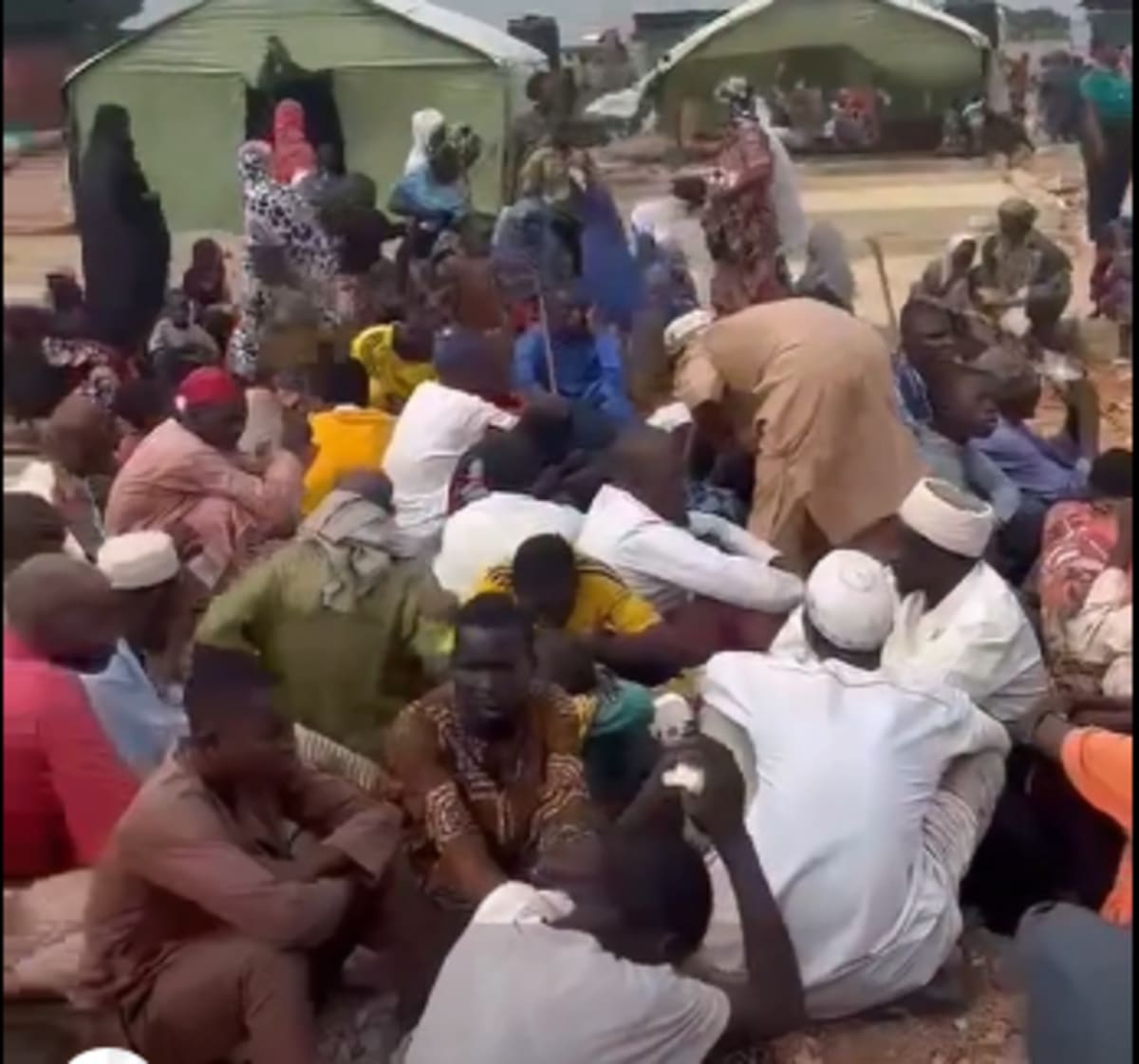
A new partnership aims to register and support 1.4 million conflict-affected people in northeast Nigeria facing hunger and displacement. The project builds a digital safety net that can respond quickly when crisis strikes.
Action Against Hunger and Germany's international cooperation agency just launched a project that could transform how Nigeria protects its most vulnerable citizens from hunger and poverty.
The initiative targets 1.4 million people in Borno and Adamawa states, two regions hit hard by conflict where millions face food insecurity. Recent analysis shows nearly 2 million people in Borno and 1.2 million in Adamawa experienced crisis-level hunger by the end of 2025.
The project centers on building a comprehensive social register, essentially a database that identifies vulnerable households and connects them to aid. Communities will help identify who needs support most, ensuring the system reflects local knowledge and builds trust.
Nigeria already maintains a national social register with data on 19 million households, but funding gaps leave 4.8 million households waiting for coverage. This partnership helps fill that gap while strengthening state systems to respond faster when disasters or food shortages strike.
The timing matters deeply. Nearly 6.4 million children across northern Nigeria face acute malnutrition, with 2 million suffering severe cases. Experts predict conditions will worsen during the 2026 lean season when food becomes scarce between harvests.
Unlike one-time aid drops, this project builds lasting infrastructure. The register links households to digital identities and coordinates, enabling direct digital payments instead of cash distributions that can be inefficient or vulnerable to corruption.
The Ripple Effect
When social protection systems work well, they do more than distribute aid. They prevent families from selling assets or pulling children from school during emergencies. They catch households before they slide into severe poverty.
The project trains local staff and strengthens government capacity so states can maintain and use the register long after international partners step back. Every person registered reduces pressure on federal resources and creates a clearer picture of who needs help.
By placing communities at the center of identifying vulnerable households, the system gains credibility and local legitimacy. Transparency increases when neighbors help decide who qualifies for support.
This approach transforms social protection from reactive charity to proactive system building. When the next shock hits, whether drought or displacement, aid can flow quickly to people already identified and registered.
Building a safety net before crisis strikes means fewer people fall through the cracks when disaster comes knocking.
More Images


Based on reporting by Premium Times Nigeria
This story was written by BrightWire based on verified news reports.
Spread the positivity!
Share this good news with someone who needs it