Nigeria Launches $3B Program to Cut Poverty, Boost Health
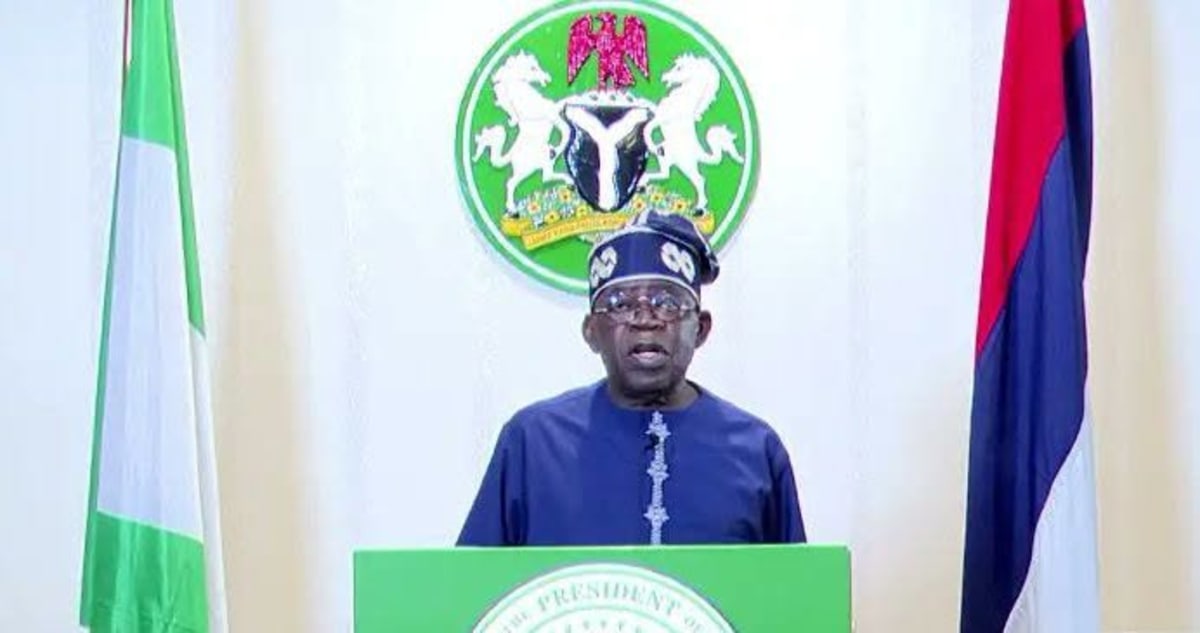
President Bola Tinubu unveiled five coordinated programs worth $3.05 billion to reduce poverty, strengthen healthcare, and improve education across Nigeria. The initiatives will reach 40 million people with better healthcare and support nearly 30 million students.
Nigeria just committed over $3 billion to turn economic progress into real help for millions of families struggling with poverty, displacement, and limited access to healthcare and education.
President Bola Tinubu launched five interconnected programs designed to work together as one national strategy. The initiatives include expanded support for farmers and small businesses, assistance for displaced communities, and major investments in healthcare and education.
The largest piece, a $1.5 billion package called HOPE, will strengthen primary healthcare for 40 million Nigerians and support nearly 30 million students in 65,000 public schools. About 500,000 teachers will receive additional support and training under the plan.
Another $1.25 billion will help smallholder farmers and small businesses grow their operations and improve their livelihoods. A separate $300 million program will specifically assist internally displaced persons and the communities hosting them.
"These are promises kept," Tinubu said at the launch, which brought together governors, development partners, and business leaders. "We came into office pledging to reform our economy, secure the nation, and invest in our people."
The programs build on existing progress. Cash transfers have already reached 15 million vulnerable households across the country. Foreign reserves are rising, inflation is declining, and economic indicators show improvement.
The Ripple Effect
The coordinated approach means families won't just get one kind of help. A mother might access better primary healthcare for her children while also receiving support for her small business and improved education for her kids at local schools.
Health Minister Ali Pate explained that the healthcare program will reduce maternal and child mortality by improving facilities and rewarding performance. Education Minister Tunji Alausa noted that better teacher support means stronger learning outcomes for millions of children.
The Nigerian Governors' Forum pledged all 36 states would collaborate on implementation. Senate President Godswill Akpabio committed the legislature to passing enabling laws and strengthening oversight to ensure funds reach families, farmers, and entrepreneurs.
The World Bank is supporting the programs, with Country Director Matthew Verghis affirming that Nigeria's greatest asset remains its people.
Governor Lucky Aiyedatiwa, representing the governors' forum, described the launch as "another key step towards turning the Renewed Hope agenda into tangible benefits for Nigerians." Leaders across government levels emphasized that success depends on effective delivery and accountability, not just announcements.
From healthcare clinics to classrooms to farming cooperatives, millions of Nigerians now have coordinated support to build better futures for their families.
More Images



Based on reporting by Google News - Poverty Reduction
This story was written by BrightWire based on verified news reports.
Spread the positivity!
Share this good news with someone who needs it