Nigeria Launches Electric Tricycle Franchise Model
Nigerian startup Qoray is helping local entrepreneurs build electric vehicle businesses with just $30,000 upfront, creating green jobs while cleaning up urban transport. The dealer-owned model puts fleet operators in control of their own sustainable mobility businesses.
A new franchise model in Nigeria is making it easier for local entrepreneurs to enter the electric vehicle market while accelerating the country's shift to clean transportation.
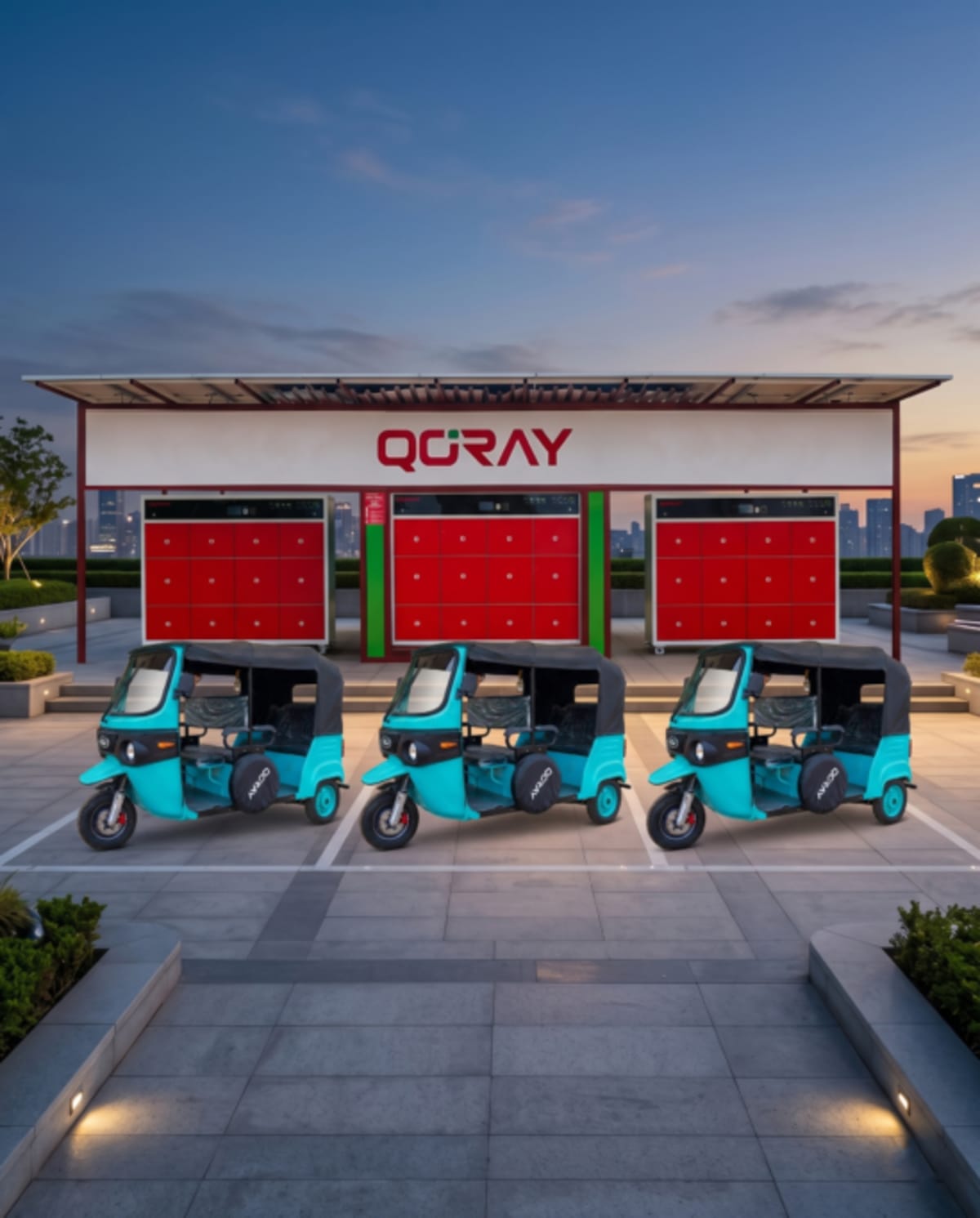
Qoray Mobility & Energies Limited just launched its Dealer-Owned, Dealer-Operated model, letting independent business owners run electric tricycle fleets in their communities. For an upfront investment of about ₦50 million (roughly $30,000 USD), dealers get access to a full mobility ecosystem worth approximately ₦177 million, including electric tricycles, battery swap stations, and technology support.
The remaining infrastructure cost comes through bank financing that dealers repay over two years using daily operational revenue. It's designed to lower the barrier for transport entrepreneurs who want to build sustainable businesses but lack massive upfront capital.
Unlike traditional dealerships that just sell vehicles, this model creates ongoing businesses. Dealers earn recurring income through last-mile transportation services and energy infrastructure operations in their territories.
The company assembles its electric tricycles locally in Nigeria, building technical skills and supporting industrial development. Riders benefit too, since electric vehicles dramatically cut fuel costs compared to conventional tricycles, improving income stability for drivers.
"We are building a decentralized last-mile mobility ecosystem that empowers local operators, expands access to clean transportation, creates green jobs, and drives sustainable economic participation across communities," said Olabanjo Alimi, Qoray's Founder and CEO.
The Ripple Effect
This model does more than put electric vehicles on the road. By decentralizing fleet ownership, it keeps economic value circulating within local communities rather than concentrating it with large corporations.
The approach addresses multiple challenges at once: reducing urban air pollution, creating entrepreneurial opportunities, lowering transportation costs, and building the infrastructure Africa's rapidly growing cities need. As more dealers join the network, battery swap stations and charging infrastructure expand, making electric mobility more accessible to everyone.
The initiative reflects a broader global shift toward cleaner transportation, but with a uniquely African approach that prioritizes community ownership and inclusive economic growth.
Nigeria's streets are getting cleaner, one locally owned electric tricycle at a time.
Based on reporting by Techpoint Africa
This story was written by BrightWire based on verified news reports.
Spread the positivity!
Share this good news with someone who needs it