Nigeria Launches First Green Channel for Port-to-Factory Cargo
Nigeria just made history by approving the country's first "Green Channel" that lets cargo move directly from port to factory without traditional delays. The breakthrough at Lagos Free Zone could transform West African trade by slashing shipping costs and wait times for manufacturers.
Companies in Nigeria can now move their shipments from ship to factory floor faster than ever before, thanks to a groundbreaking approval that eliminates one of Africa's biggest trade headaches.
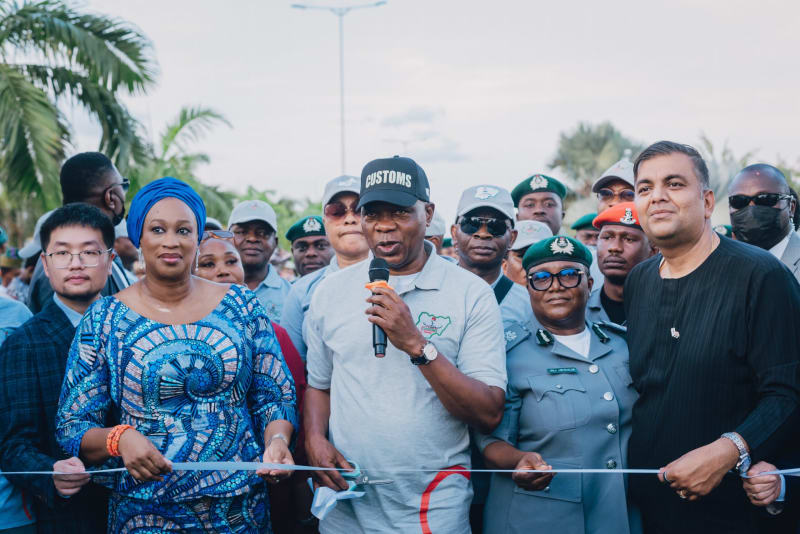
The Nigeria Customs Service officially activated the Lagos Free Zone Green Channel this week. This dedicated corridor allows cargo to travel directly from Lekki Deep Sea Port to the Lagos Free Zone without the bottlenecks that have plagued Nigerian logistics for decades.
The channel operates with 24/7 CCTV surveillance, GPS tracking, and digital security logs that keep every shipment visible to customs officials in real time. That means no more mystery delays, no more cargo sitting on docks racking up fees, and no more wondering where your goods actually are.
Lagos Free Zone becomes the first and only location in Nigeria with this setup. The zone covers 860 hectares and connects directly to the 90-hectare Lekki Deep Sea Port, creating what experts call "port-to-factory velocity."
For manufacturers, this changes everything about operating in West Africa. Capital that used to sit frozen in delayed shipments and demurrage fees can now flow directly into production. Truck wait times that could stretch for days now measure in hours.
"This approval is a testament to our commitment to trade modernization," said Comptroller-General of Customs Bashir Adeniyi. The system mirrors successful models already running in leading trade hubs across the Middle East and Asia.
The Ripple Effect
This isn't just about faster shipping for one zone. The Green Channel sets a new standard for what's possible in Nigerian trade infrastructure and sends a powerful signal to international investors weighing African operations.
When manufacturing becomes more predictable and less expensive, companies can afford to hire more workers and offer better prices. Those savings ripple through entire supply chains, potentially making goods more affordable across West Africa's largest economy.
The model also creates a blueprint other Nigerian free zones can follow. Singapore-based Tolaram, which developed Lagos Free Zone, proved that world-class logistics infrastructure can work in Nigeria when you integrate technology, security, and customs cooperation from the ground up.
"We have effectively removed the 'last mile' uncertainty that has historically challenged Nigerian logistics," said Adesuwa Ladoja, CEO of Lagos Free Zone. Her team worked directly with customs officials to build trust through transparency rather than just asking for special treatment.
This kind of collaboration between private operators and government agencies shows what's possible when both sides focus on solving real problems instead of protecting old systems.
The activation positions Lagos as a serious competitor for companies choosing where to base their West African distribution centers, creating jobs and economic activity that could benefit millions across the region.
More Images


Based on reporting by Premium Times Nigeria
This story was written by BrightWire based on verified news reports.
Spread the positivity!
Share this good news with someone who needs it