Nigeria Leprosy Survivors Build Community Despite Stigma
At Nigeria's Uzuakoli colony, 30 former leprosy patients—medically cured but socially rejected—have created their own supportive community. Despite being declared disease-free, they've built families and found belonging where society wouldn't accept them back.
Inside Nigeria's oldest leprosy treatment center, a remarkable community thrives against impossible odds.
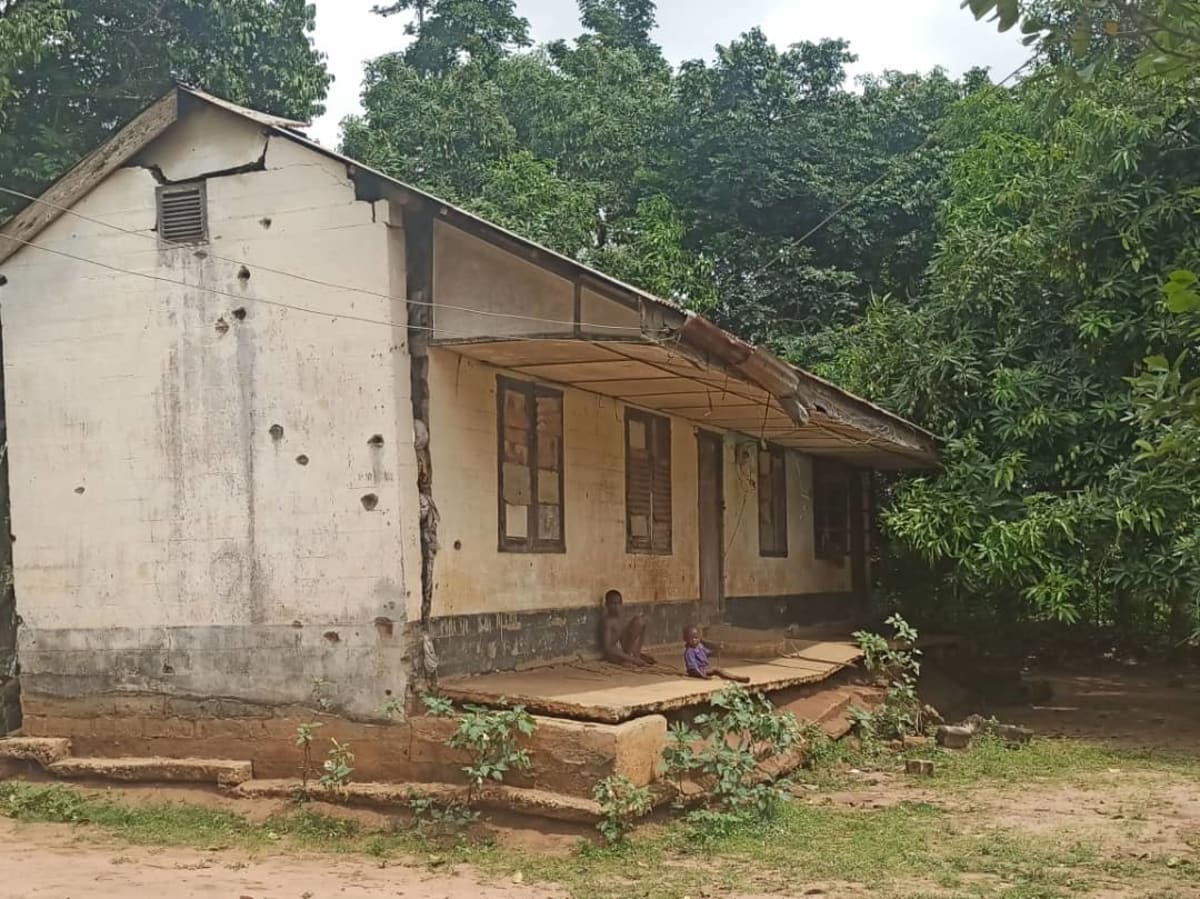
At Uzuakoli colony in Abia State, about 30 former leprosy patients have done something extraordinary. Rejected by their families and communities even after being medically cured, they've created their own village—complete with marriages, children, and now grandchildren born into a community built on acceptance.
"After treatment, they are healed," explains Pastor Akindele Victor Olusegun, the colony's administrative secretary. The only visible signs are physical deformities from past infection, yet stigma keeps many from returning home.
Leprosy, a bacterial infection affecting skin and nerves, is curable with about a year of treatment. Dr. Godswill Ogbonnaya from Federal Medical Centre Umuahia confirms that early treatment prevents disabilities—and the disease requires prolonged close contact to spread, making fears of casual transmission unfounded.
Why This Inspires:
What makes this community remarkable isn't just survival—it's the deliberate choice to build something meaningful together. Where society saw outcasts, these survivors saw potential family. Where others saw stigma, they created acceptance.
The Methodist Church provides housing support, while the church's Welfare Department helps with basic needs. The German Leprosy and TB Relief Association previously supplied free medications, establishing a treatment model that proved leprosy's curability.
Their children represent hope for a stigma-free future. Though accessing education remains challenging, these kids grow up knowing their parents chose resilience over despair, community over isolation.
The colony, established in 1932, once served the entire Eastern Region as a beacon of medical care and dignity. That legacy of compassion lives on—not in buildings, but in the community itself, proving that healing extends far beyond medicine.
These survivors didn't just overcome disease; they built belonging from scratch.
Based on reporting by Vanguard Nigeria
This story was written by BrightWire based on verified news reports.
Spread the positivity!
Share this good news with someone who needs it
%2Ffile%2Fattachments%2Forphans%2F51Momandboy_441858.jpg)