Nigeria Links Prison Rehab to Poverty Reduction Programs
Nigeria's correctional service is partnering with federal poverty programs to help former inmates rebuild their lives after release. The initiative connects ex-offenders with social support systems designed to reduce repeat crimes.
Former prisoners in Nigeria will soon have easier access to government welfare programs designed to help them stay out of trouble after their release.
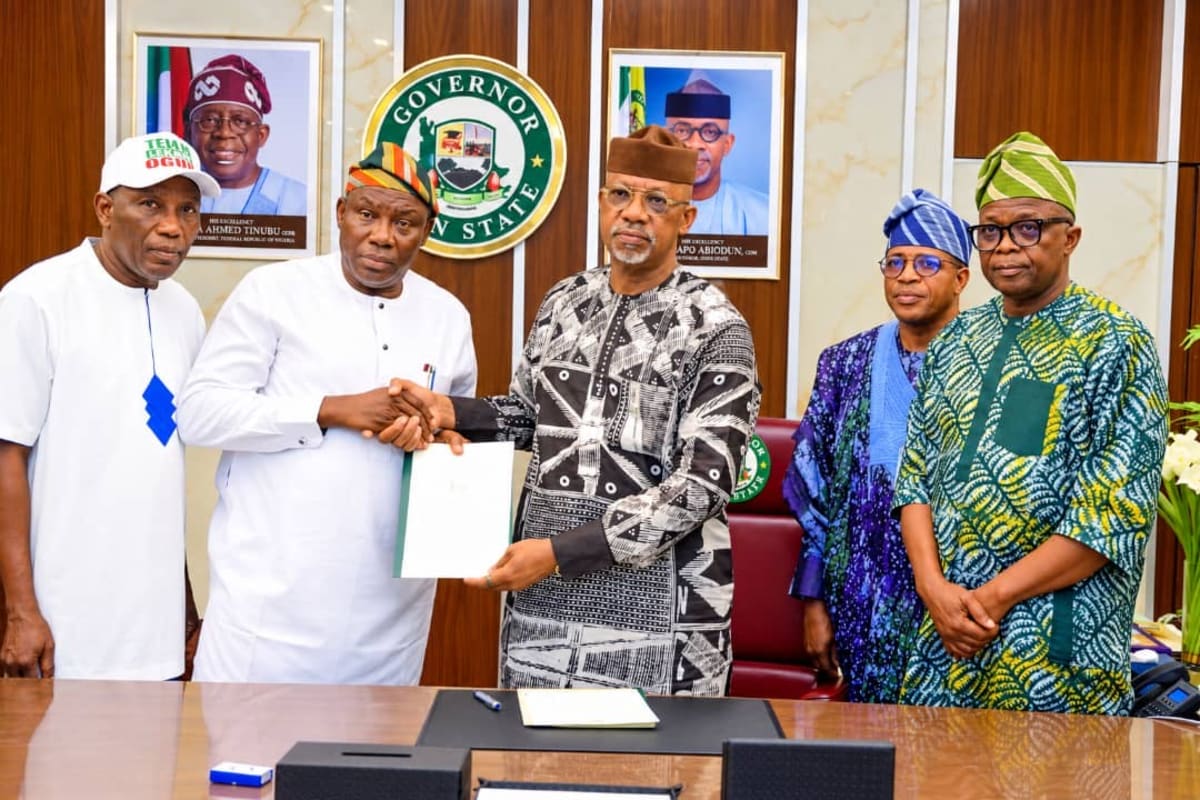
The Nigerian Correctional Service met with the Federal Ministry of Humanitarian Affairs and Poverty Reduction in Abuja to create a partnership focused on inmate rehabilitation. Controller-General Sylvester Nwakuche led the delegation, seeking ways to help ex-offenders transition successfully back into society.
The collaboration targets three key areas: rehabilitation programs inside prisons, skills development for inmates, and agricultural projects within correctional facilities. By connecting these efforts with existing federal social programs, officials hope to give released prisoners the support they need to build stable lives.
"The collaboration is critical to strengthening public safety and ensuring that inmates are better prepared for life after custody," Nwakuche said. He emphasized that many people return to crime because they lack resources and opportunities after release.
Minister Bernard Doro committed to integrating eligible ex-offenders into the National Social Register, a database that already serves millions of vulnerable Nigerians through various support programs. The ministry will work to harmonize data between correctional facilities and the national registry so former inmates can access assistance immediately upon release.
The Ripple Effect
This partnership addresses a cycle that traps many communities. When former prisoners can't find work or support, they often reoffend, creating more victims and filling prisons again. By breaking that pattern, the program could improve public safety while giving individuals genuine second chances.
The ministry's Permanent Secretary, Olubunmi Olusanya, called the timing strategic, noting that both agencies serve vulnerable populations who need coordinated help. A joint technical committee will now develop the framework to make the partnership work in practice.
The initiative recognizes that rehabilitation doesn't end when someone leaves prison. Real change happens when people have food security, job training, and community support waiting for them on the outside.
Nigeria is betting that investing in former inmates today means fewer crimes and stronger communities tomorrow.
More Images




Based on reporting by Google News - Poverty Reduction
This story was written by BrightWire based on verified news reports.
Spread the positivity!
Share this good news with someone who needs it