Nigeria Mobilizes Faith Leaders for Health Coverage Push
President Tinubu is enlisting traditional and religious leaders to help deliver healthcare to every Nigerian. The new partnership aims to bring trusted community voices into the nation's health reform effort.
Nigeria is trying something different to fix its healthcare system: asking the voices people already trust for help.
President Bola Tinubu announced Tuesday that traditional rulers and religious leaders will now play an official role in implementing Universal Health Coverage across the country. The president called it a "generational and interfaith alliance" designed to bring quality healthcare to every Nigerian, regardless of where they live.
The strategy makes sense. In many Nigerian communities, people listen to their local chiefs and faith leaders before they listen to government officials. Tinubu acknowledged this reality directly, telling the gathered leaders they are "the trusted voices between the government and the people."
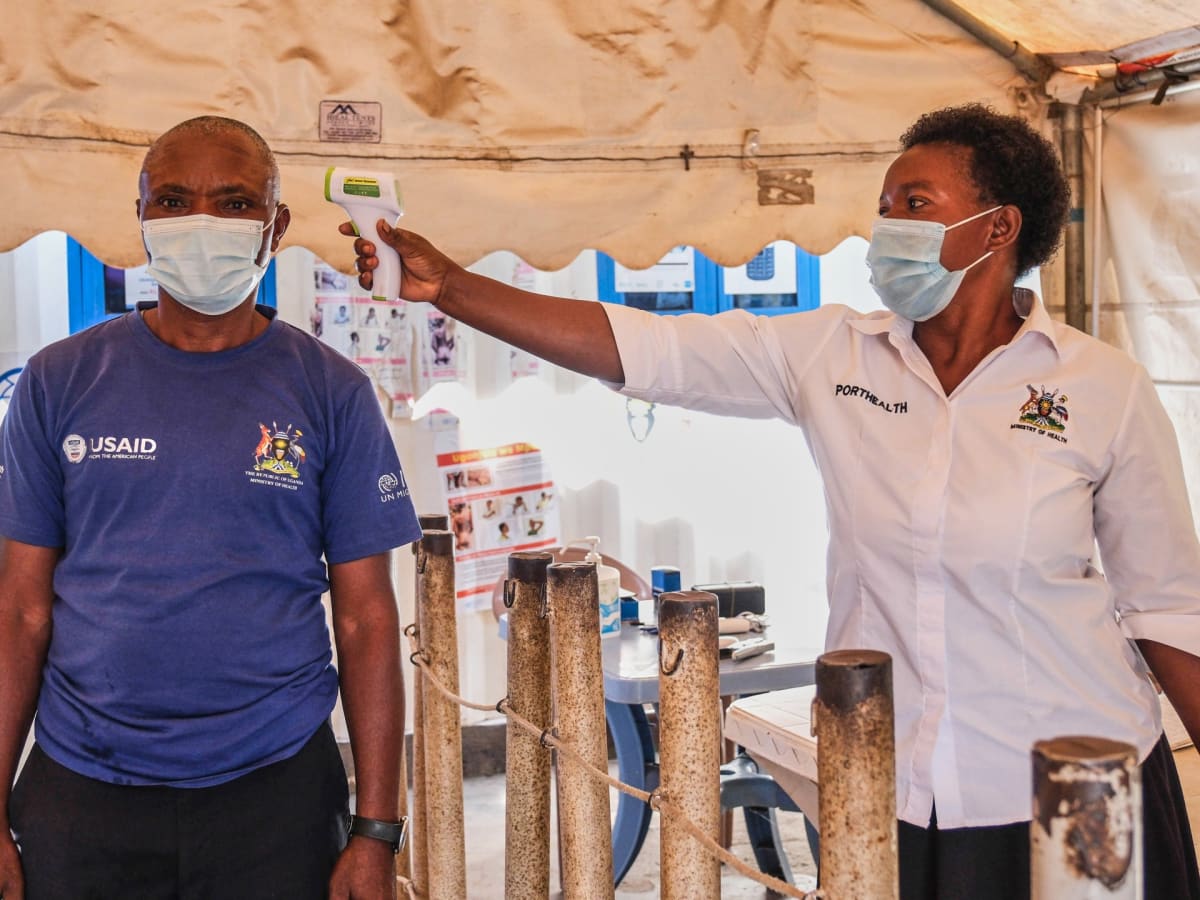
The partnership comes with specific responsibilities. Traditional rulers will monitor primary healthcare facilities in their areas and report problems directly to local governments and governors. If clinics lack medicine or staff, leaders are being asked to speak up.
Religious leaders will tackle a different challenge: vaccine hesitancy and health misinformation. With preventable deaths still claiming too many mothers and newborns, the president emphasized that faith leaders can encourage communities to seek timely medical care and accept proven treatments.
The expanded health compact now formally includes not just traditional and religious institutions but also civil society groups and the private sector. Together, they'll support reforms aimed at reducing maternal mortality, improving immunization rates, and addressing malnutrition.
A new National Health Fellowship Programme will send young professionals to all 774 local government areas across Nigeria. Tinubu described these fellows as bringing "structure where systems are weak, data where decisions lack clarity, and energy where communities need it most."
The Ripple Effect
This approach recognizes something important: sustainable health reform can't happen from the top down alone. By bringing community leaders into the process as partners rather than just recipients of government programs, Nigeria is building accountability at every level.
When local leaders have ownership over health outcomes in their communities, they become advocates for change. When faith leaders counter misinformation, their words carry weight that government messaging alone cannot achieve.
The model could inspire other nations struggling to extend healthcare to remote or underserved populations. Sometimes the best path forward means working with the trusted networks that already exist.
President Tinubu summed up the vision simply: "Nothing good is achieved without hope."
Based on reporting by AllAfrica - Health
This story was written by BrightWire based on verified news reports.
Spread the positivity!
Share this good news with someone who needs it