Nigeria Moves to Reserve 111 Seats for Women in Politics
Nigeria's parliament is advancing a groundbreaking bill that would create 111 reserved seats exclusively for women across all legislative bodies. The move could transform one of the world's worst records on women's political representation.
Nigeria is on the verge of a historic shift that could dramatically change the face of its government.
The Reserved Seats for Women Bill has reached an advanced stage in the National Assembly, earning strong support from human rights activists and advocacy groups pushing for its swift passage. The proposed legislation would create 37 new seats in the Senate, 37 in the House of Representatives, and three seats in each of the 36 state assemblies, all exclusively for female candidates.
The numbers tell a stark story. Women currently hold just 3.7 percent of Senate seats and 3.9 percent of House seats, despite making up nearly half of Nigeria's population. This places Nigeria among the worst countries globally for women's political representation.
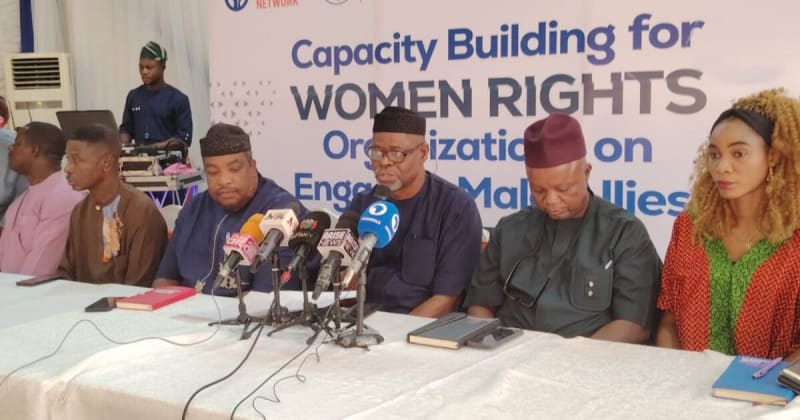
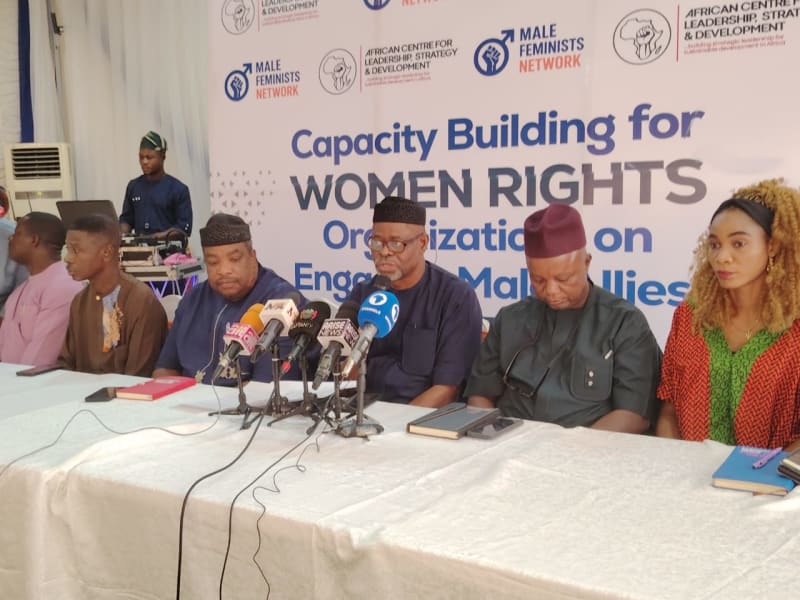
Dr. Otive Igbuzor, a prominent human rights advocate, pointed to proven solutions during a capacity building forum in Abuja on Thursday. Countries across Africa that have increased women's participation did so through constitutional provisions, he noted. "The 10th National Assembly will write its name in gold if they pass the reserved seats bill," he said.
The forum, organized by the African Centre for Leadership, Strategy and Development with support from the Ford Foundation and the Male Feminists Network, highlighted a crucial element often missing from gender equality efforts. Sustainable change cannot happen without men actively dismantling patriarchal systems, advocates emphasized.
Why This Inspires
This bill represents more than just adding seats in parliament. It acknowledges that decades of traditional electoral reforms and affirmative action programs have failed to create meaningful change for Nigerian women.
What makes this moment different is the recognition that structural barriers require structural solutions. Rather than asking women to fight harder in a system designed to exclude them, lawmakers are proposing to redesign the system itself.
The involvement of male allies through initiatives like the Male Feminists Network signals a cultural shift too. Organizers report a noticeable reduction in hostility toward feminism, particularly among men who previously viewed it as anti-male. When men use their influence to dismantle systems that harm women, real transformation becomes possible.
Stakeholders expressed optimism that this parliament will prioritize the bill as part of broader efforts to strengthen democracy and align Nigeria with regional and international commitments on gender equality. If passed, Nigeria would join countries across Africa that have successfully increased women's representation through constitutional provisions, proving that systemic problems require systemic solutions.
The Reserved Seats for Women Bill could finally give Nigerian women a voice proportional to their population and their stake in the nation's future.
More Images


Based on reporting by Punch Nigeria
This story was written by BrightWire based on verified news reports.
Spread the positivity!
Share this good news with someone who needs it