Nigeria Oil Production Hits 1.8M Barrels Through Community Care
Nigeria's oil production has surged to 1.8 million barrels per day after the government shifted strategy from pure enforcement to youth programs and community development. The breakthrough comes after years of billion-dollar losses from theft and vandalism in the Niger Delta.
Nigeria just proved that investing in people works better than fighting them when it comes to protecting natural resources.
The country's oil production has climbed to nearly 1.8 million barrels per day, marking a remarkable recovery after years of devastating losses from theft and pipeline vandalism. The turnaround happened when Nigeria's Upstream Petroleum Regulatory Commission and Ministry of Defence decided to try something different.
Instead of relying solely on armed patrols and crackdowns, they're launching sports programs for youth in oil-producing communities. They're also addressing the economic struggles that pushed many residents toward illegal activities in the first place.
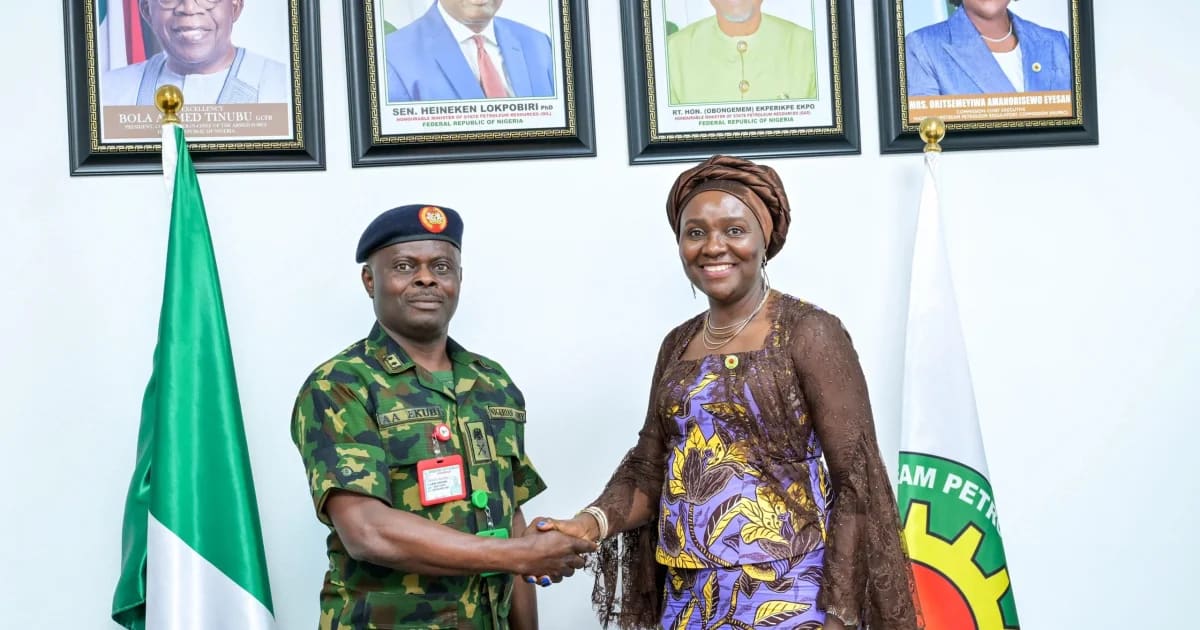
"One of the best ways to engage youths in oil-producing areas is through sports-based interventions," said Major General Ekubi, representing Defense Minister Christopher Musa. The programs will include structured activities for young people with disabilities, ensuring no one gets left behind.
Commission Chief Executive Oritsemeyiwa Eyesan credits the recent success to teamwork between security agencies, regulators, and oil companies. Technology like drone surveillance and digital monitoring systems helped stabilize production levels after years of chaos.
But the real game changer is treating oil-producing communities as partners rather than problems. The new approach aligns with host community development requirements in Nigeria's Petroleum Industry Act, which recognizes that local prosperity and national security go hand in hand.
The Ripple Effect
The production boost means more than just numbers on a chart. Higher oil output translates to increased government revenue, better foreign exchange earnings, and stronger economic growth for Africa's most populous nation.
The strategy shift could also restore relationships between oil companies and Niger Delta communities after decades of tension. When young people have opportunities through sports and development programs, they become protectors of infrastructure rather than threats to it.
Other resource-rich countries struggling with similar challenges are watching closely. Nigeria's experiment shows that sustainable security comes from addressing root causes, not just symptoms.
The government plans to keep refining this community-focused security model as production continues climbing. With fresh investments flowing back into the sector and stability returning to oil regions, Nigeria is writing a new playbook for resource management.
Sometimes the best way to guard what's valuable is to share the benefits with those who live beside it.
More Images



Based on reporting by Punch Nigeria
This story was written by BrightWire based on verified news reports.
Spread the positivity!
Share this good news with someone who needs it