Nigeria Oil Workers End Strike After Pay Deal Progress
Workers at Nigeria's largest independent oil producer returned to work after the company committed to wage negotiations. The quick resolution avoids production disruptions as Nigeria works to boost oil output.
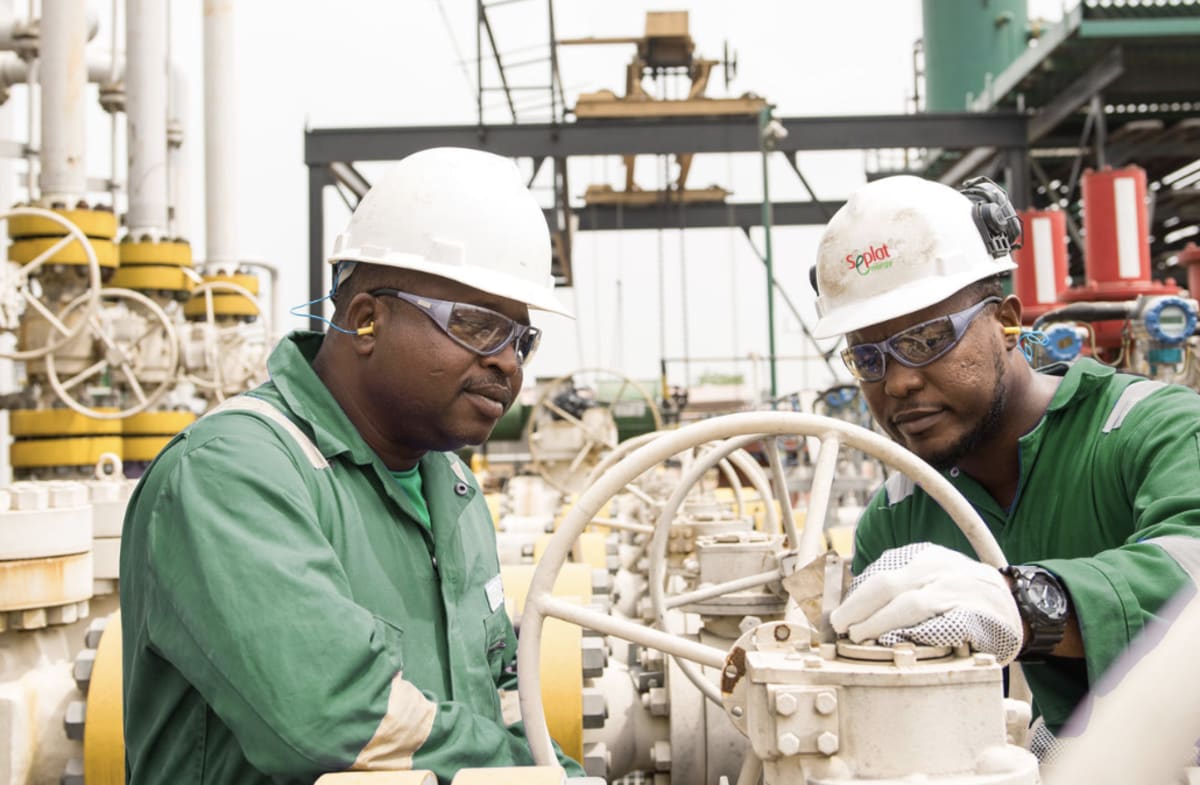
Workers at Seplat Energy just ended a strike that could have slowed Nigeria's oil production at a critical time. The company put wage increase commitments in writing, bringing employees back on the job after just one day of walkouts.
The strike began Friday when pay talks stalled between Seplat and the Petroleum and Natural Gas Senior Staff Association. Workers left their posts at Nigeria's biggest independent oil and gas producer, raising immediate concerns about the country's output during a period of rising global oil prices.
By Saturday, the situation turned around completely. Union leadership received written commitments from Seplat and directed members to resume work immediately while negotiations continue.
The company confirmed operations are starting back up across all locations. Roger Brown, Seplat's Chief Executive, engaged with union leaders and the Nigerian National Petroleum Company to find common ground.
Both sides agreed to keep talking through April 13 to finalize a 2026 collective bargaining agreement. The framework for resolving outstanding issues is now in place, giving workers and management a clear path forward.
The Bright Side
This quick resolution shows what happens when companies and workers choose dialogue over disruption. Seplat didn't dismiss concerns or dig in their heels. Instead, they put promises on paper and created a timeline everyone could work with.
The timing matters beyond just Seplat's bottom line. Nigeria has been working hard to increase oil production as global prices climb, creating real opportunities for economic growth. Seplat alone targets up to 155,000 barrels of oil equivalent daily this year, up from 131,506 last year.
That's not just about corporate profits. Seplat supplies gas to Nigeria's domestic power market, meaning stable operations help keep lights on in homes and businesses across the country.
The union didn't share specific wage demands, but their willingness to suspend action after receiving written commitments suggests both sides are negotiating in good faith. Workers got acknowledgment their concerns matter. Management gets operational stability while talks continue.
In an industry where strikes can drag on for weeks and cost millions, a one-day work stoppage followed by resumed negotiations counts as a genuine win for collaboration.
Production is ramping back up, workers have commitments in writing, and Nigeria's oil output stays on track during a crucial period for the country's economy.
Based on reporting by Myjoyonline Ghana
This story was written by BrightWire based on verified news reports.
Spread the positivity!
Share this good news with someone who needs it