Nigeria Opens Road After 60-Year Wait for Remote Communities
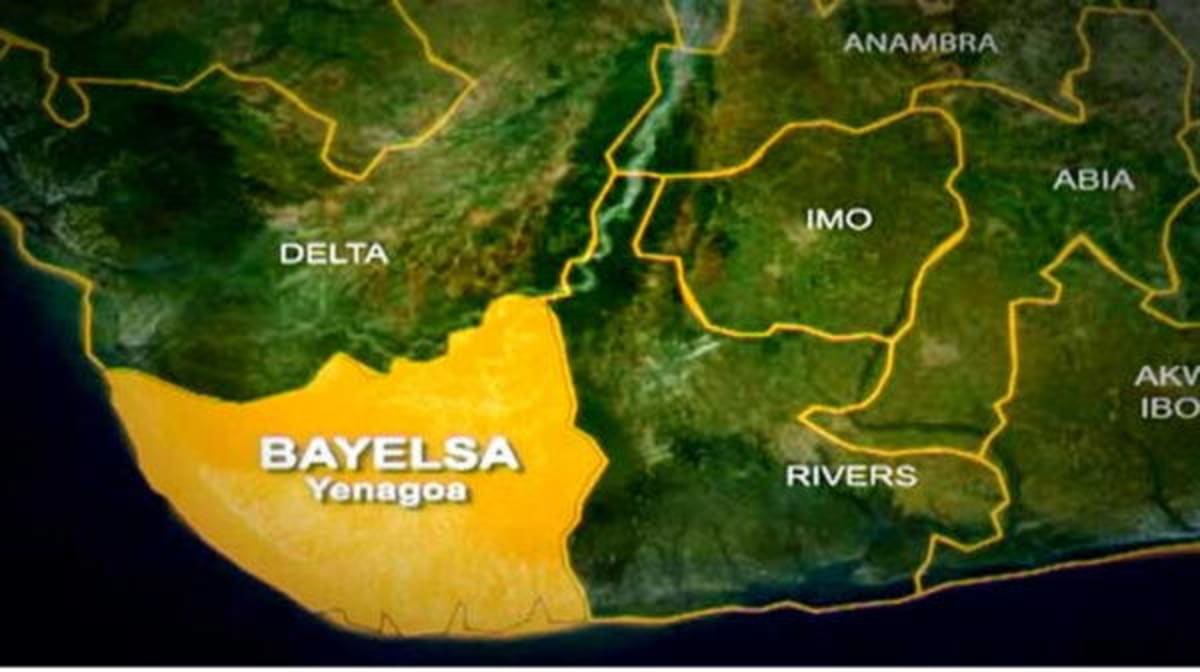
Thousands of residents in Nigeria's Bayelsa State celebrated as President Tinubu inaugurated a road connecting remote oil-producing communities to the capital after six decades on the drawing board. The infrastructure project finally brings land access to over 60 waterborne communities that fuel the nation's economy.
After 60 years of broken promises, thousands of people in Southern Ijaw poured into the streets to celebrate something most of the world takes for granted: a road home.
President Bola Tinubu inaugurated the Yenagoa-Oporoma road last Friday, finally connecting remote communities in Bayelsa State, Nigeria, to the state capital by land. For six decades, the project sat untouched on government plans while these oil-rich communities could only be reached by water.
The new road snakes through vast wetlands and includes a 630-metre bridge across the Nun River. It transforms daily life for more than 60 communities in Southern Ijaw and Brass, areas that produce much of Nigeria's oil wealth but saw little benefit from their resources.
"This is a dream come true," said Gabriel Owei, a local resident. "For over 60 years we have waited. Our forebears will be thrilled wherever they are."
The journey that once required expensive boat travel can now be made by car. Transport costs have dropped dramatically, and travel times have shrunk from hours on water to a simple drive.
Governor Douye Diri pushed the project forward despite the challenging swampy terrain that officials long used as an excuse for inaction. His administration deployed heavy machinery and significant funding to prove the "difficult terrain" was never impossible, just neglected.
Chief Douyi Douglas-Naingba of the Pan Niger-Delta Forum called it a major achievement. "It ends decades of maritime dependency for entire kingdoms," he said. "This development will boost our economy and fundamentally improve the lives of our people."
The Ripple Effect
The road does more than cut commute times. It corrects a historic injustice for communities that watched their oil and gas extracted for decades while remaining isolated from basic infrastructure.
Southern Ijaw is one of Nigeria's largest oil-producing areas, yet residents struggled with basic access to healthcare, education, and markets. The new connection opens economic opportunities that were previously impossible for landlocked businesses and services.
The state is also completing the Sagbama-Ekeremor-Agge road, which will connect even more remote coastal communities. Together, these projects create a network integrating formerly marginalized settlements into the broader economy.
Alagoa Morris from the Environmental Defenders Network captured the moment's significance: "Communities in the Olodiama clan, Apoi clan, even down to Ukubie and Koluama are happy."
The roads prove that infrastructure can reach anywhere when governments commit to serving all their people, not just extracting their resources.
Based on reporting by Vanguard Nigeria
This story was written by BrightWire based on verified news reports.
Spread the positivity!
Share this good news with someone who needs it