Nigeria Pays $2B in Power Debts to End Decade of Outages
Nigeria is settling $2 billion in decade-old electricity debts to finally give its citizens reliable power. The first payments are already flowing to 15 power plants, with more stability expected soon.
After more than ten years of frustrating blackouts, Nigeria is taking a major step toward keeping the lights on for its 200 million citizens.
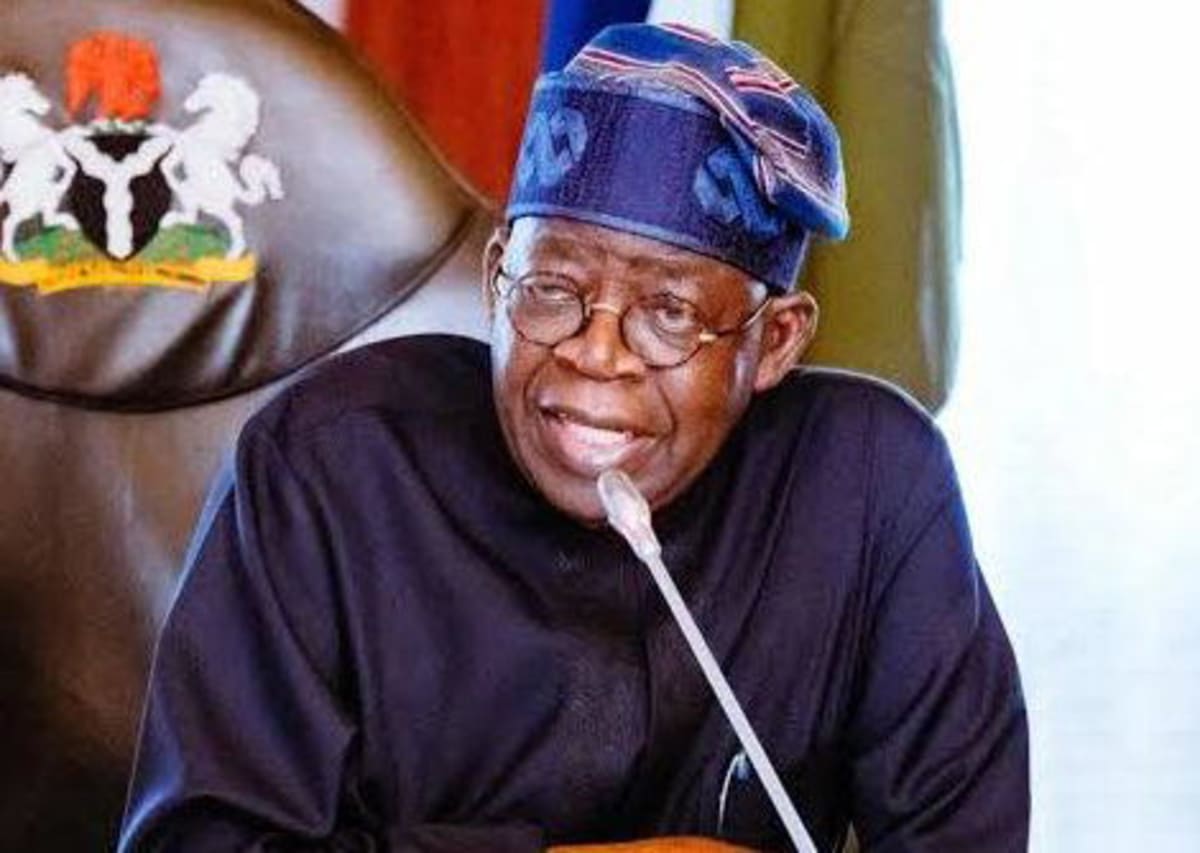
President Bola Tinubu approved a ₦3.3 trillion ($2 billion) payment plan to settle legacy debts that have crippled the country's power sector since 2015. These unpaid bills left power plants unable to buy gas, forcing them to shut down and leaving homes and businesses in the dark for hours each day.
The government has already raised ₦501 billion and distributed ₦223 billion to creditors. Fifteen power plants have signed settlement agreements totaling ₦2.3 trillion, allowing them to restart operations and maintain consistent generation.
For ordinary Nigerians, this means an end to the daily struggle of planning life around unreliable electricity. Small business owners who rely on expensive diesel generators can finally reduce costs. Families won't need to worry about food spoiling or children studying by candlelight.
"This programme is about restoring confidence across the power sector, ensuring gas suppliers are paid, power plants can keep running, and the system begins to work more reliably," said Olu Arowolo-Verheijen, Special Adviser on Energy to President Tinubu.
The debt settlement is part of broader reforms linking electricity tariffs to service quality. The government is also prioritizing power supply to businesses and industries, recognizing that consistent electricity is essential for job creation and economic growth.
The Ripple Effect
When power plants receive payment, the benefits cascade throughout the economy. Gas suppliers get paid and can continue deliveries. Workers keep their jobs at generation facilities. Factory owners can plan production schedules without blackout interruptions.
The stability also attracts new investment to Nigeria's energy sector. International companies that previously hesitated due to payment uncertainties now see a government committed to honoring its obligations. More investment means more generation capacity and eventually lower costs for consumers.
Local manufacturers particularly benefit from reliable power. Nigerian textile factories, food processors, and technology companies have struggled to compete globally when forced to generate their own expensive electricity. Stable grid power levels the playing field.
President Tinubu confirmed that the next phase of debt settlement will begin this quarter, signaling continued commitment to fixing the power sector. The government is also rolling out better metering systems to ensure customers only pay for electricity they actually receive.
A power sector that works changes everything for Nigeria's future.
Based on reporting by Vanguard Nigeria
This story was written by BrightWire based on verified news reports.
Spread the positivity!
Share this good news with someone who needs it