Nigeria Plans Electric Trains to Modernize Rail Network
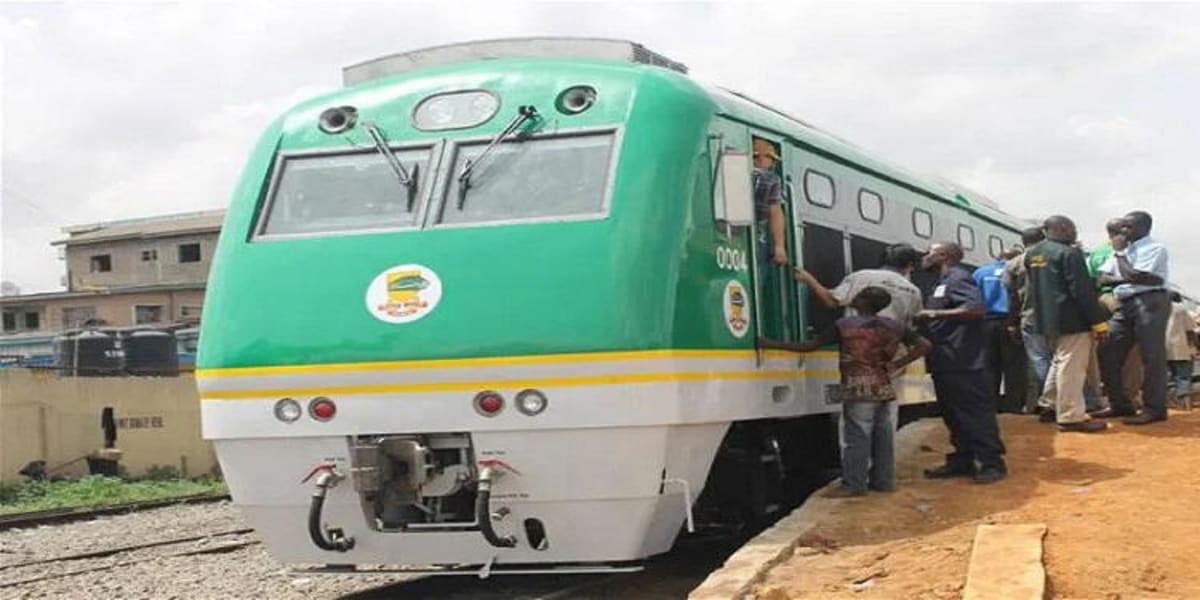
Nigeria is electrifying its railway system, starting with major corridors in Lagos and Warri, as part of a decade-long modernization effort that's already transformed the country's aging rail infrastructure. The shift to electric trains promises lower costs and cleaner, more efficient service for millions of passengers.
Nigeria is taking its railway revolution to the next level with plans to introduce electric-powered trains on its busiest routes, building on years of successful infrastructure upgrades.
The Nigerian Railway Corporation announced it will electrify the Warri and Lagos corridors first, tapping into the country's natural gas resources to power the trains. Managing Director Kayode Opeifa says the move will slash operating costs while improving service quality for passengers.
The electrification plan caps off a remarkable transformation that started in 2015. Over the past decade, Nigeria replaced its aging narrow-gauge tracks with modern standard-gauge rail lines, completing major projects like the Abuja to Kaduna Railway, the Warri to Itakpe line, and the Lagos to Ibadan Railway.
The progress hasn't stopped there. Construction is now underway on the Port Harcourt to Maiduguri corridor, which will connect southern and northern Nigeria by rail for seamless travel and trade.
Recent constitutional reforms are opening even more possibilities. By moving rail from the federal exclusive list to the concurrent list, individual states can now develop their own rail projects. Lagos, Kano, Ogun, and Plateau States are already moving forward with plans that will connect to the federal network.
The NRC has addressed passenger concerns too. On popular routes, a double verification system now prevents ticket fraud, checking passengers both at waiting areas and during boarding. Security remains a priority, especially on the heavily traveled Abuja to Kaduna line, where the NRC increased service to three daily trips to meet growing demand.
The Ripple Effect: Nigeria's rail modernization shows how infrastructure investment creates cascading benefits. Electric trains will reduce transportation costs for families and businesses while cutting emissions. Better connectivity strengthens trade between regions and opens new opportunities for tourism and economic growth. As state governments join the effort, the expanding network promises to knit the nation closer together, making travel safer, cheaper, and more accessible for everyone.
The transformation of Nigeria's railway system proves that patient, strategic investment in public infrastructure pays dividends for generations to come.
Based on reporting by Vanguard Nigeria
This story was written by BrightWire based on verified news reports.
Spread the positivity!
Share this good news with someone who needs it