Nigeria Plans Pensions for Millions of Informal Workers
Nigeria's pension commission is launching a bold plan to bring retirement security to millions of workers in the informal economy who currently have no safety net. Only 9% of Nigerian adults currently have formal pension coverage.
Millions of Nigerian workers who drive taxis, farm land, and sell goods in markets could soon build real retirement security for the first time.
Nigeria's National Pension Commission announced this week it's working to bring pension coverage to every working Nigerian, especially those in the informal sector who make up the backbone of the economy but have no safety net for old age. Currently, only 9.1% of Nigerian adults have formal pension arrangements.
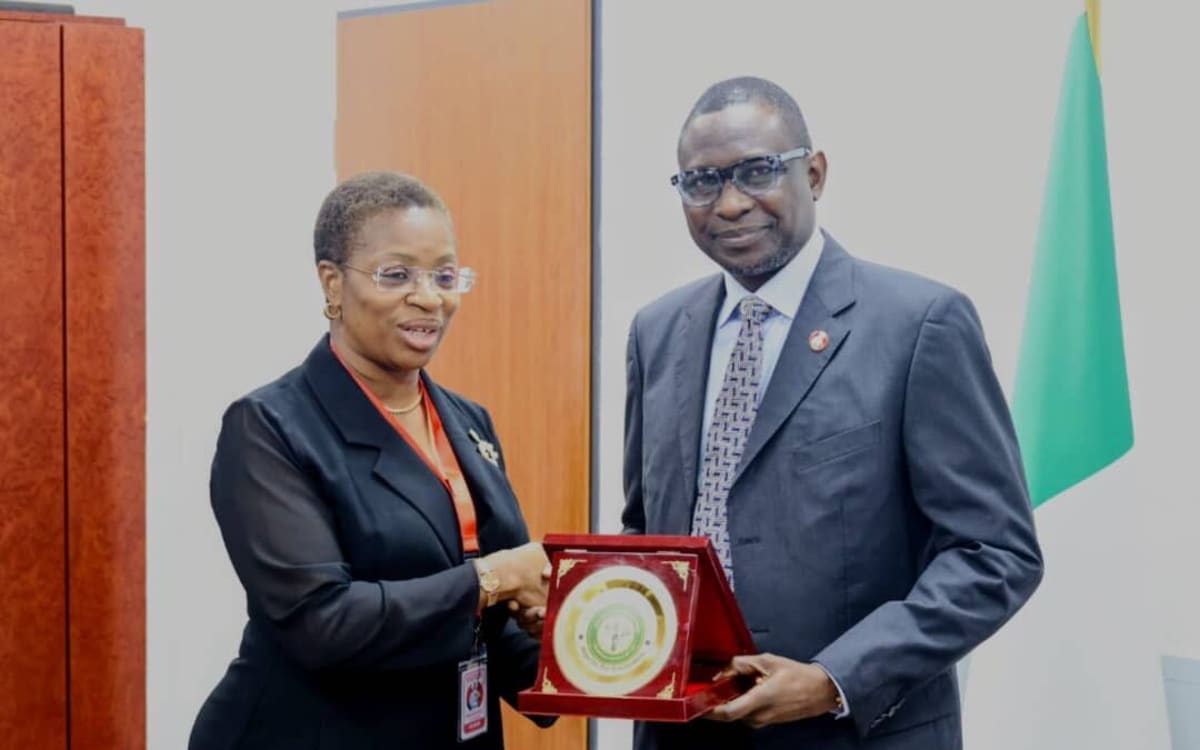
"They work. They earn. They carry this economy. But too many of them are growing older without building any security for the day they can no longer work," said Omolola Oloworaran, director general of the commission, at a financial inclusion event in Abuja.
The gap is staggering. About nine out of every 10 working Nigerian adults have no formal pension, including traders, farmers, mechanics, drivers, tailors, hairdressers, and young people earning income through digital platforms.
The commission is calling for new research to understand why millions remain outside the pension system and what would motivate them to start saving. The focus is on designing products that work for people with irregular incomes and building trust in benefits that won't pay out for decades.
PenCom proposed creating a pension inclusion map to identify where coverage gaps are most severe by location, gender, age, job type, and income level. This data would help target interventions where they're needed most.
The commission also wants to test different approaches as Nigeria rolls out its new Personal Pension Plan. Ideas include digital account opening, mobile pension agents, transaction-based savings, and behavioral incentives to see what actually works before scaling up.
The Ripple Effect
This isn't just about individual security. When workers can retire with dignity, it reduces poverty among older adults and eases the financial burden on families who currently support aging relatives with no income. Building a culture of long-term savings also strengthens the overall economy.
Agnes Olatokunbo, board chair of the financial inclusion organization EFInA, emphasized that financial inclusion must go beyond simply opening accounts. The real measure of success is whether people save consistently and accumulate enough for retirement.
The commission stressed that opening an account means nothing if it's never funded. Success will be measured by whether Nigerians actually save regularly and build sufficient retirement funds.
With better data, smart policy, improved technology, and products designed for real people's lives, Nigeria could transform retirement security for millions who've never had it before.
More Images



Based on reporting by Premium Times Nigeria
This story was written by BrightWire based on verified news reports.
Spread the positivity!
Share this good news with someone who needs it