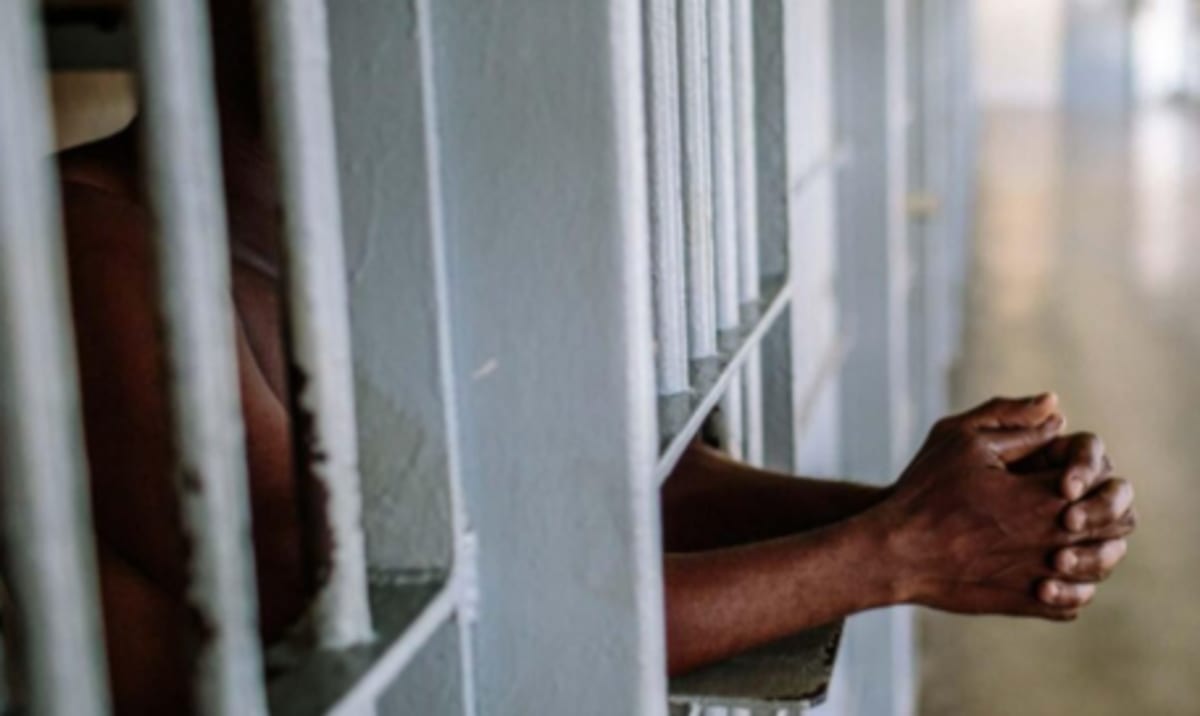
Nigeria Prison Panel Finds Truth, Charts Reform Path
An independent panel investigated corruption claims in Nigeria's prison system and delivered a transparent report that's now driving nationwide reform. State leaders, civil society, and medical experts are joining forces to rebuild trust and improve conditions for inmates and staff alike.
When a public figure accused Nigeria's prison system of corruption and abuse, the government did something unexpected: it launched a real investigation.
In November 2024, Interior Minister Dr. Olubunmi Tunji-Ojo assembled an independent panel to examine allegations brought by social media personality Bobrisky. Instead of dismissing the claims, the ministry chose transparency.
Dr. Magdalene Ajani, the Ministry's Permanent Secretary, led the panel through a nationwide journey that covered 72 correctional facilities across 22 states. The team didn't just review paperwork; they walked through overcrowded cells, talked to inmates and staff, and documented what they saw.
What they found was complex. The panel confirmed that Bobrisky did serve his sentence in custody, disproving claims he was allowed to serve time elsewhere. But investigators also uncovered real problems: some privileges were granted improperly, transfers weren't always documented correctly, and staff members raised urgent concerns about their own working conditions.
The March 2026 stakeholders meeting brought together an impressive coalition. Attorneys General from all Nigerian states attended, alongside representatives from the Nigerian Bar Association and Nigerian Medical Association. Civil society groups contributed insights, and retired officers shared their experiences with delayed payments and inadequate post-service support.
Why This Inspires
This investigation matters because it shows what's possible when institutions choose honesty over defensiveness. The panel didn't hide uncomfortable truths about aging infrastructure, overcrowding, or inadequate healthcare in facilities. Instead, they documented everything and invited civil society organizations and development partners to help solve these problems.
The breadth of participation signals something bigger than one report. When state governments, medical professionals, lawyers, and human rights groups all gather around the same table, sustainable change becomes possible. Over 80 percent of inmates come from state court cases, making state government involvement essential for any lasting reform.
Prison officers themselves gained a voice in this process. Their testimonies about working conditions and unpaid entitlements reminded everyone that institutional integrity depends on treating staff well, not just enforcing rules.
The panel's work transformed a social media controversy into a blueprint for systemic improvement. By opening hearings to public petitions and visiting facilities firsthand, investigators created what one official called "justice in dialogue."
Nigeria now has a roadmap built on evidence rather than assumptions, with buy-in from stakeholders at every level. The courage to investigate difficult truths is becoming the foundation for a fairer, more accountable correctional system.
Based on reporting by Vanguard Nigeria
This story was written by BrightWire based on verified news reports.
Spread the positivity!
Share this good news with someone who needs it