Nigeria Processes 11B Payments, Now Targets 26% Excluded
Nigeria doubled its digital payments to 11 billion transactions in just two years, building one of the world's most advanced payment systems. Now the Central Bank is tackling the next challenge: bringing 26% of adults still outside the financial system into the digital economy.
Nigeria just proved you can build world-class financial technology in Africa, and now it's using that foundation to solve one of the continent's biggest challenges.
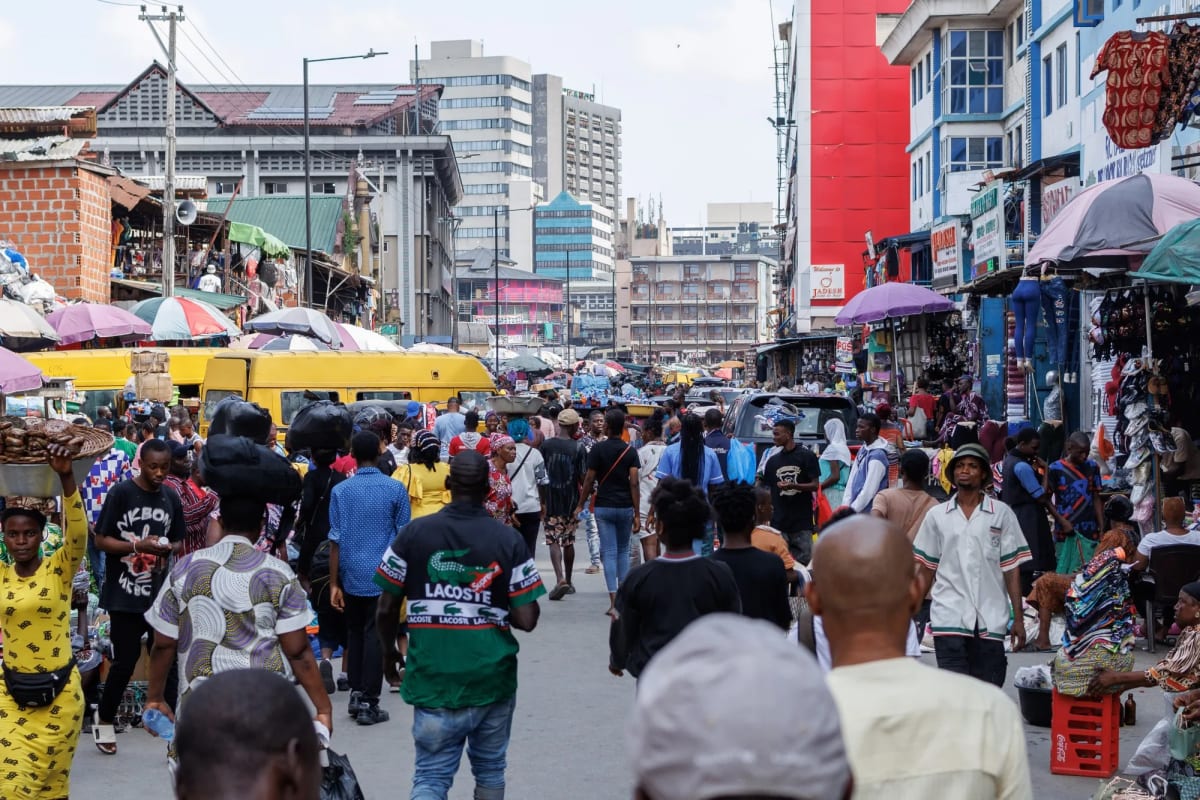
The Central Bank of Nigeria's latest report reveals a striking contrast. The country processed nearly 11 billion transactions through its instant payment platform in 2024, more than double the 5 billion recorded in 2022. That explosive growth puts Nigeria alongside the world's most sophisticated real-time payment markets.
But here's what makes this story truly remarkable: Nigerian leaders aren't celebrating and calling it done. Instead, they're looking at the 26% of adults still locked out of the financial system and asking how to reach them next.
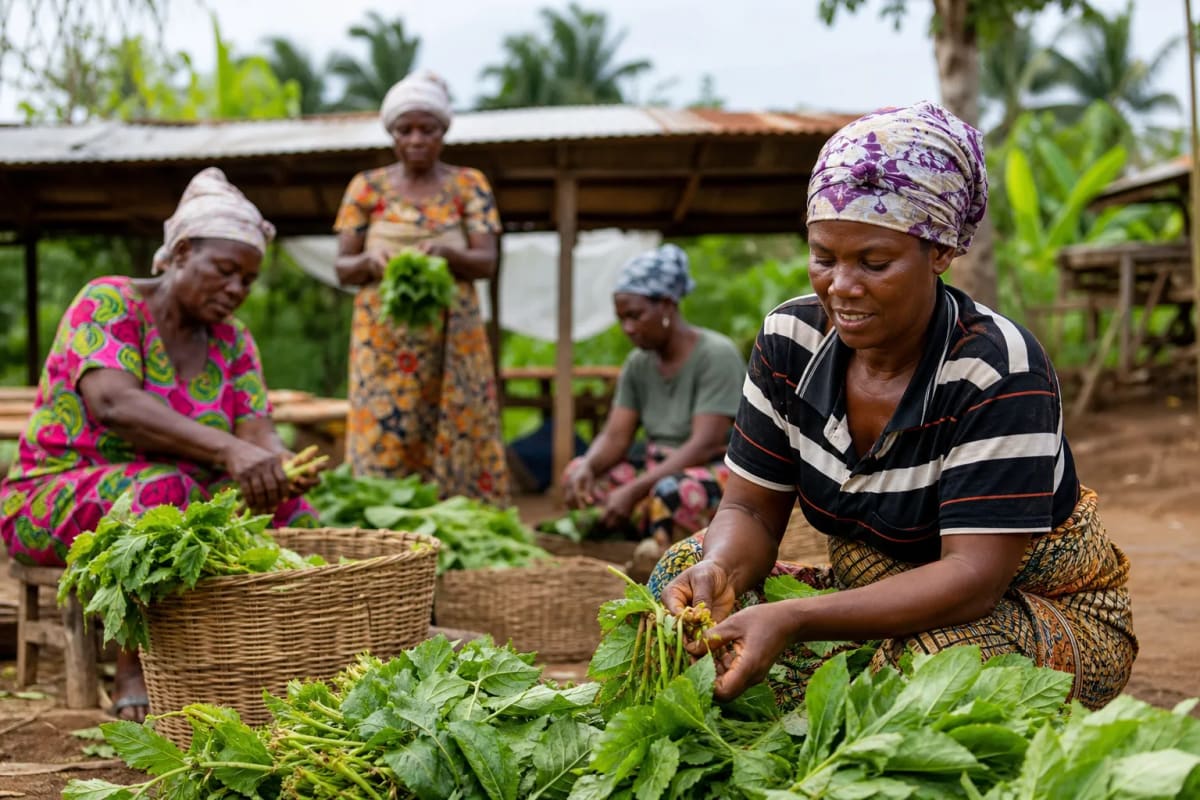
The numbers tell a complex story of progress and opportunity. While Nigeria's payment rails have been operating since 2011, years before similar systems launched in the United States, millions still can't access basic financial services. In rural areas, exclusion climbs to 37%. In northern Nigeria, it reaches nearly 47%.
The Central Bank identified exactly where the gaps exist. Digital identity verification remains costly and sometimes unreliable for fintech companies trying to verify new customers. Different systems don't always talk to each other smoothly, making it harder to offer services like credit scoring across platforms. And current regulations limit what some digital banks can offer, particularly around lending to underserved communities.
Nigeria's fintech ecosystem attracted over $215 million in venture funding last year, and those companies are now pushing beyond simple payments. The next wave focuses on savings accounts, small business loans, and financial tools that help people build wealth, not just move money around.
The Ripple Effect
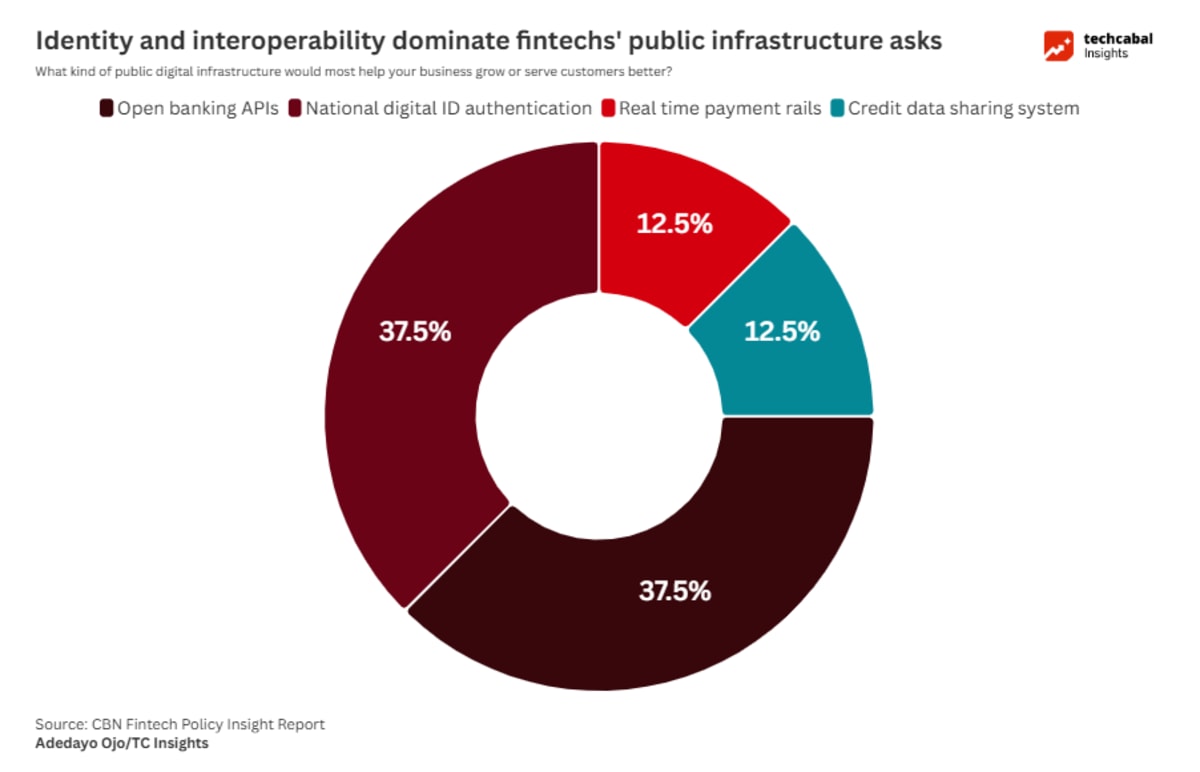
When fintech operators were surveyed about what would help most, their answers were clear and practical. Better digital ID systems and open banking APIs topped the list, each cited by more than a third of respondents as critical infrastructure needs.
Some regulators are now discussing whether Payment Service Banks, many backed by telecommunications companies, should be allowed to offer credit products. The logic is simple: the companies already have the customer relationships and the payment infrastructure. Adding lending could help small businesses grow and give individuals access to emergency funds.
The infrastructure Nigeria built for payments created one of Africa's largest fintech ecosystems. Now that same infrastructure is being reimagined to reach the people who need financial services most. Rural farmers could access crop loans. Small shop owners could build credit histories. Families could save for emergencies without hiding cash at home.
Nigeria showed the world that African countries can lead in financial technology, not just follow. The next chapter is about making sure that leadership translates into opportunity for everyone, not just the already connected.
More Images
Based on reporting by TechCabal
This story was written by BrightWire based on verified news reports.
Spread the positivity!
Share this good news with someone who needs it