Nigeria Pushes to Protect Kids from Junk Food Marketing
A public health group wants Nigeria to ban aggressive junk food advertising aimed at children during holidays. Their new report shows companies flood festive seasons with promotions linking sugary products to celebration and joy.
Nigeria could become the next African nation to crack down on how junk food companies target children, especially during the holidays when families are most vulnerable to marketing.
Corporate Accountability and Public Participation Africa just released a study showing how food and beverage companies turned Christmas and New Year into massive advertising campaigns. The group tracked marketing activities across Lagos, Abuja, and three other major cities between November and early January.
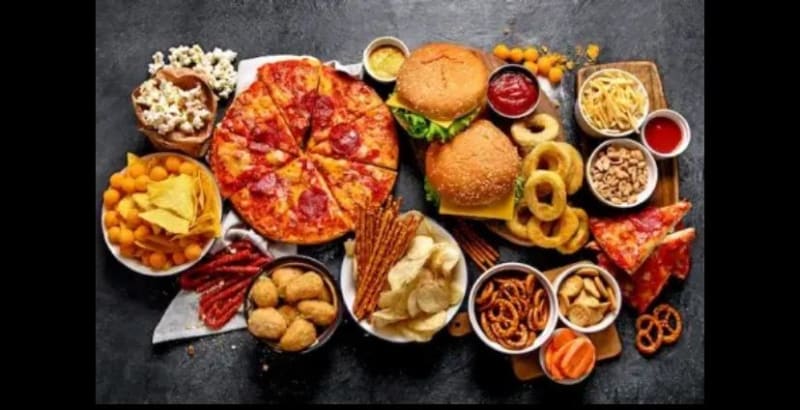
What they found wasn't subtle. Companies saturated malls, parks, schools, religious centers, and social media with promotions linking sugary drinks and ultra-processed foods to festive joy and community celebration. Santa imagery, concerts, and product giveaways targeted young people at every turn.
"Children, young people, and low-income households are the most exposed and the least protected," said Akinbode Oluwafemi, the organization's executive director. His team documented how brands even used artificial intelligence to create emotionally appealing content and disguised donations as charity when they were really marketing tools.
The timing matters because Nigeria is already facing a growing crisis of diabetes, hypertension, and heart disease. Festive marketing acts as what researchers call a "risk multiplier," pushing unhealthy eating patterns at a time when people already consume more food.
The Ripple Effect
This campaign could reshape how an entire generation of Nigerian children relates to food and health. The organization is calling for legally binding restrictions on junk food advertising during holidays, a 50 percent tax on sugar-sweetened beverages, and mandatory warning labels on packaging.
They also want substantial penalties for companies that violate the rules, including fines and license suspensions. "Advertising rules without enforcement are symbolic," Oluwafemi warned.
The proposed sugar tax would jump from 10 naira per liter to 130 naira, with revenues funding disease prevention and healthcare improvements. Other recommendations include banning influencer marketing that targets children and limiting outdoor advertising in low-income neighborhoods where families have fewer healthy food options.
The food and beverage industry hasn't responded to the report yet, but the findings are already reaching policymakers. Similar regulations have worked in other countries to reduce childhood obesity and diet-related diseases.
If Nigeria acts, millions of children could grow up with better protection from predatory marketing and healthier relationships with food.
More Images


Based on reporting by Premium Times Nigeria
This story was written by BrightWire based on verified news reports.
Spread the positivity!
Share this good news with someone who needs it