Nigeria Recovers $38K, Boosts Health Funding Nationwide
Nigeria's primary healthcare system is getting a major transparency upgrade, recovering mismanaged funds and more than doubling funding to thousands of clinics. The reforms are bringing real-time financial tracking and accountability to grassroots healthcare.
Nigeria just proved that cleaning up corruption can actually work when you combine technology with boots on the ground.
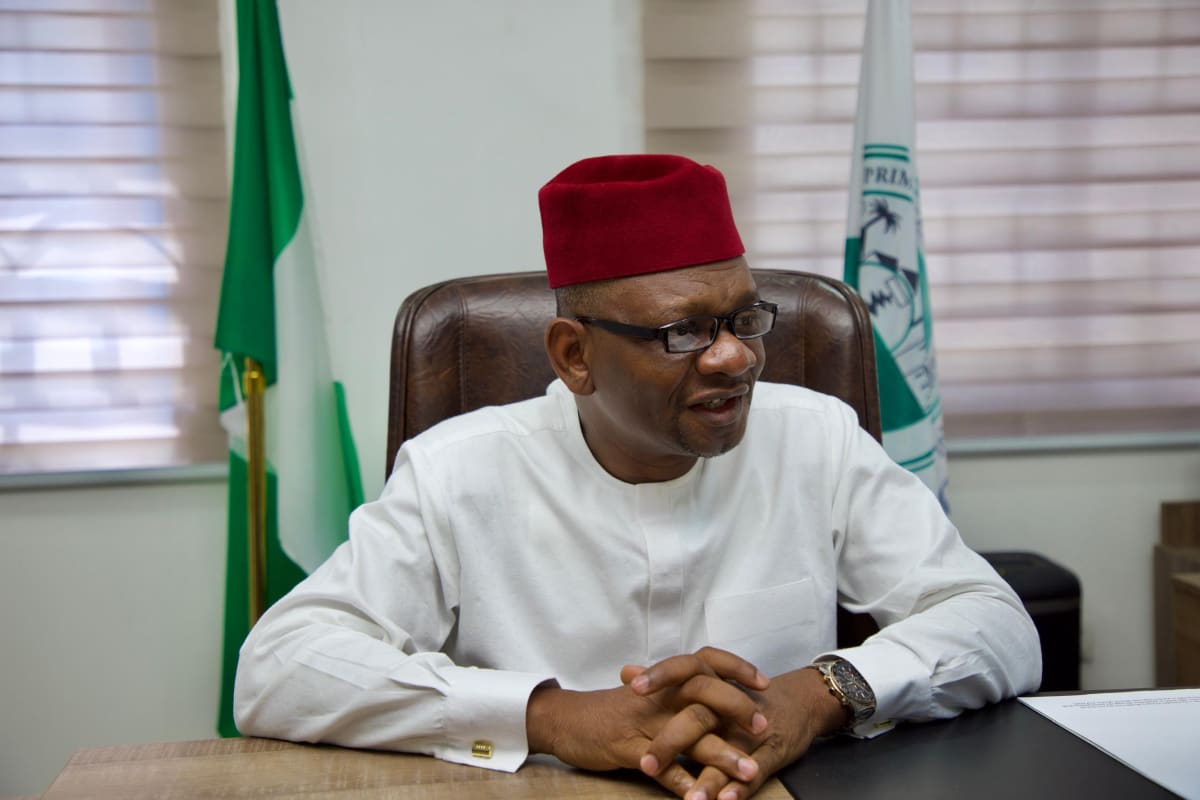
The country's National Primary Health Care Development Agency recovered nearly 60 million naira (about $38,000) in mismanaged funds from health clinics while simultaneously expanding support to over 13,500 facilities nationwide. Executive Director Muyi Aina announced the wins during a media briefing in Abuja this week.
The numbers tell a story of serious commitment. Between 2023 and 2025, the government released 70.6 billion naira through the Basic Health Care Provision Fund to support clinics at the grassroots level. That money pays for everything from staff salaries to basic infrastructure in communities that need it most.
But here's where it gets really interesting. The government didn't just throw more money at the problem. They completely reimagined how funding reaches clinics based on actual patient traffic.
High-volume facilities now receive 800,000 naira per quarter, while lower-traffic clinics get 600,000 naira. That's up from a flat 300,000 naira that every facility used to receive, regardless of how many people they served. The adjustment responds directly to Nigeria's inflation pressures and rising operational costs.
To catch the bad actors, Nigeria deployed 774 Performance and Financial Management Officers, one in every local government area. These officers review financial reports, validate expenses, and flag irregularities. When they found problems, consequences followed, including demotions and removals of facility managers.
The digital revolution happening behind the scenes might be the biggest game changer. A new financial management app is rolling out across the country, currently active in 14 states with nationwide expansion planned by year's end. The platform gives everyone from local commissioners to the national minister real-time visibility into what's happening financially at each clinic.
The expansion is massive too. The number of supported facilities jumped from 8,309 to 13,512, with another 3,789 identified for inclusion. That means more rural and underserved communities will finally have access to basic healthcare services with proper funding and oversight.
The Ripple Effect
This isn't just about recovering stolen money or digitizing spreadsheets. It's about building trust in public healthcare at the community level. When a clinic in a rural Nigerian village can prove exactly how it's spending government funds, and when that clinic actually has enough money to operate effectively, people start believing the system can work for them.
The agency made all facility funding information publicly accessible online, inviting Nigerians to monitor their local clinics. That kind of transparency creates a virtuous cycle where oversight comes from both government officers and the communities themselves.
One reform at a time, Nigeria is showing that healthcare accountability isn't impossible, even in challenging circumstances.
More Images



Based on reporting by Premium Times Nigeria
This story was written by BrightWire based on verified news reports.
Spread the positivity!
Share this good news with someone who needs it