Nigeria Refunds Electricity Customers After Power Shortfall
Nigeria's power regulator approved compensation for thousands of premium electricity customers who didn't receive the reliable service they paid for. The move sets a powerful precedent for consumer protection in African energy markets.
When electricity customers in Nigeria's premium Band A service tier experienced frequent blackouts in early 2026, the country's power regulator did something remarkable. It ordered refunds.
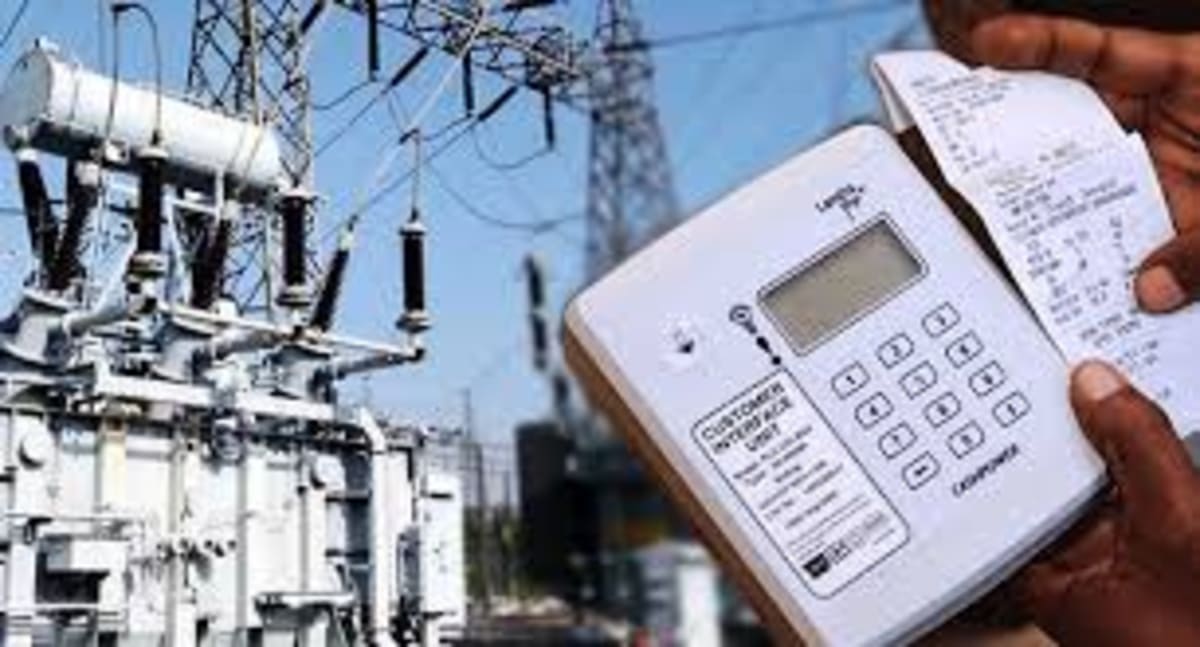
The Nigerian Electricity Regulatory Commission approved a special compensation scheme for Band A customers affected by generation shortfalls between February and March 2026. These customers pay premium rates for a guaranteed 20 hours of daily electricity supply.
The power shortages stemmed from inadequate gas supply and vandalism of critical infrastructure. The regulator acknowledged these issues were beyond the direct control of distribution companies but still held them accountable to customers.
Under the compensation plan, customers who received less than 18 hours of daily supply will receive credits worth 20 percent of their monthly bills. Those who received between 18 and 20 hours fall under existing refund frameworks.
The commission created a clear timeline for distribution companies to issue refunds. February compensation must be completed by May 31, and March compensation by June 30. Prepaid customers will receive token credits, while postpaid customers will see direct bill adjustments.
In a particularly customer friendly move, regulators prohibited companies from offsetting refund credits against existing customer debts. Companies must also clearly inform customers about the value and period of compensation they receive.
The Ripple Effect
This decision sends ripples far beyond Nigeria's borders. Africa has long struggled with electricity reliability, and customers often have little recourse when service falls short of promises.
By enforcing accountability even when problems stem from infrastructure issues, Nigeria's regulator demonstrates that consumer protection can coexist with developing energy systems. The decision pressures distribution companies to work harder on upstream solutions like infrastructure security and gas supply agreements.
The compensation framework could inspire similar consumer protections across African energy markets, where reliable electricity remains a critical development challenge. When customers know regulators will enforce service commitments, it builds trust in premium service tiers and encourages investment in grid improvements.
Nigeria's approach shows that protecting consumers and building stronger energy systems aren't competing goals but complementary ones.
Based on reporting by Vanguard Nigeria
This story was written by BrightWire based on verified news reports.
Spread the positivity!
Share this good news with someone who needs it