Nigeria Releases $30M to Upgrade Universities
Nigeria just delivered on a historic promise to fix its struggling universities, releasing the first installment of $120 million in infrastructure funding. The move is already bringing stability after years of strikes that disrupted millions of students' education.
After more than a decade of broken promises, Nigeria's government has released 50 billion naira (about $30 million USD) to rebuild its crumbling university system. Another 50 billion naira will follow soon, bringing the total to half of the 200 billion naira promised in a newly signed agreement with university staff unions.
The money comes from the Needs Assessment Fund, part of a 2009 deal that was supposed to be renewed in 2013 but stalled for over ten years. That delay led to repeated strikes that shut down federal universities and left students in limbo.
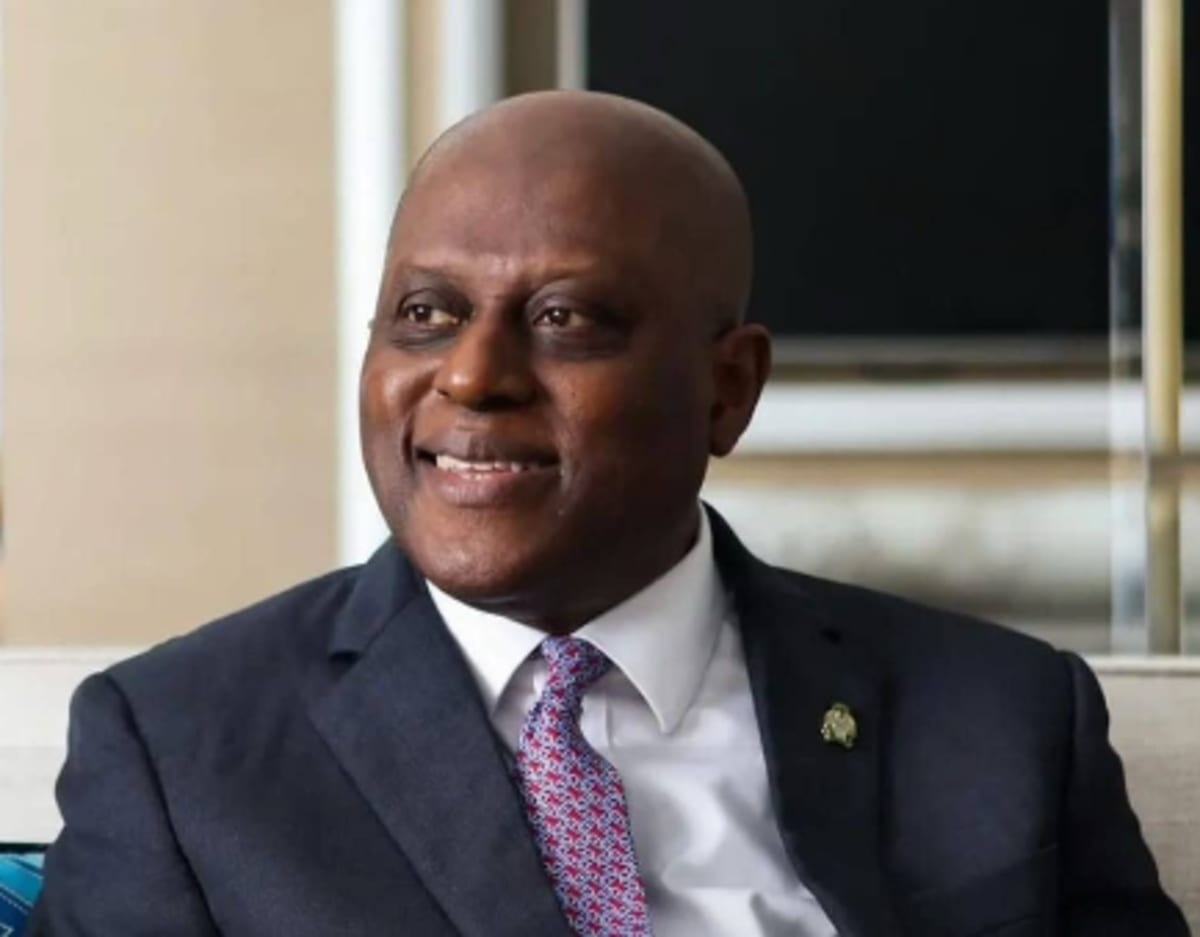
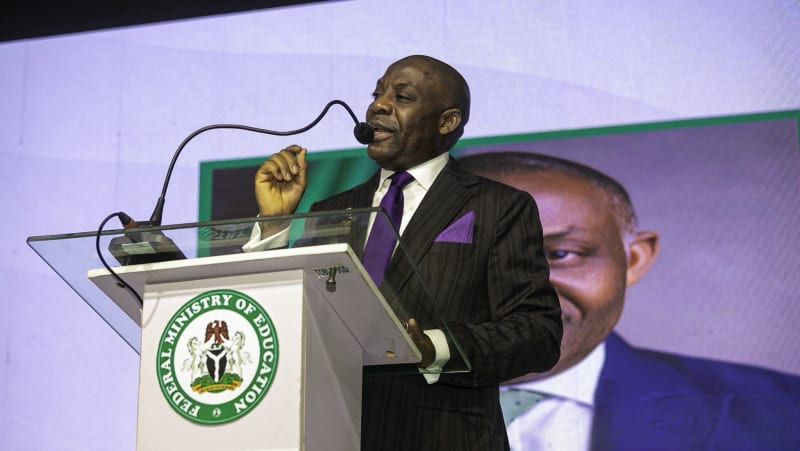
Education Minister Tunji Alausa announced the release during a television interview, saying university leaders will meet soon to decide exactly how the funds get spent on infrastructure, equipment, and research facilities. The government completed renegotiating the agreement in December 2025 and signed it just weeks later in January.
The timing matters because Nigerian universities have faced serious challenges. Outdated labs, overcrowded classrooms, and poor facilities have made it hard for students to get quality education in one of Africa's most populous nations.
The Ripple Effect
The new agreement is already changing things on the ground. Federal universities haven't had a single strike in two academic sessions, giving students the consistent education they deserve.
The government also removed universities from a centralized payroll system that had restricted their flexibility. Now institutions can manage their own staff payments and move research funds to commercial banks where they can actually access them.
Beyond universities, Nigeria is transforming technical education too. The government made training free at all 36 federal technical colleges and introduced monthly stipends of about 25,000 naira for vocational students. When applications opened, over 1.3 million Nigerians signed up, showing huge demand for practical skills training.
The reforms include letting polytechnics award degrees and focusing vocational programs on the 25 trades that employers actually need, instead of the previous 98 scattered options. The new system models Germany's approach, with 70 percent hands-on training and final year attachments at real companies.
A new Labour and Union Activities Unit will track whether promises get kept this time, addressing the trust issues that built up over years of delays. For millions of Nigerian students and their families, stability in higher education means they can finally plan their futures without wondering when the next strike will hit.
More Images


Based on reporting by Premium Times Nigeria
This story was written by BrightWire based on verified news reports.
Spread the positivity!
Share this good news with someone who needs it