Nigeria Renews Fight Against Malaria on World Health Day
Nigeria's First Lady pledges bold action against malaria as the nation carries 27% of the world's cases. With 68 million infections yearly, the country is rallying for unity and innovation to protect its most vulnerable.
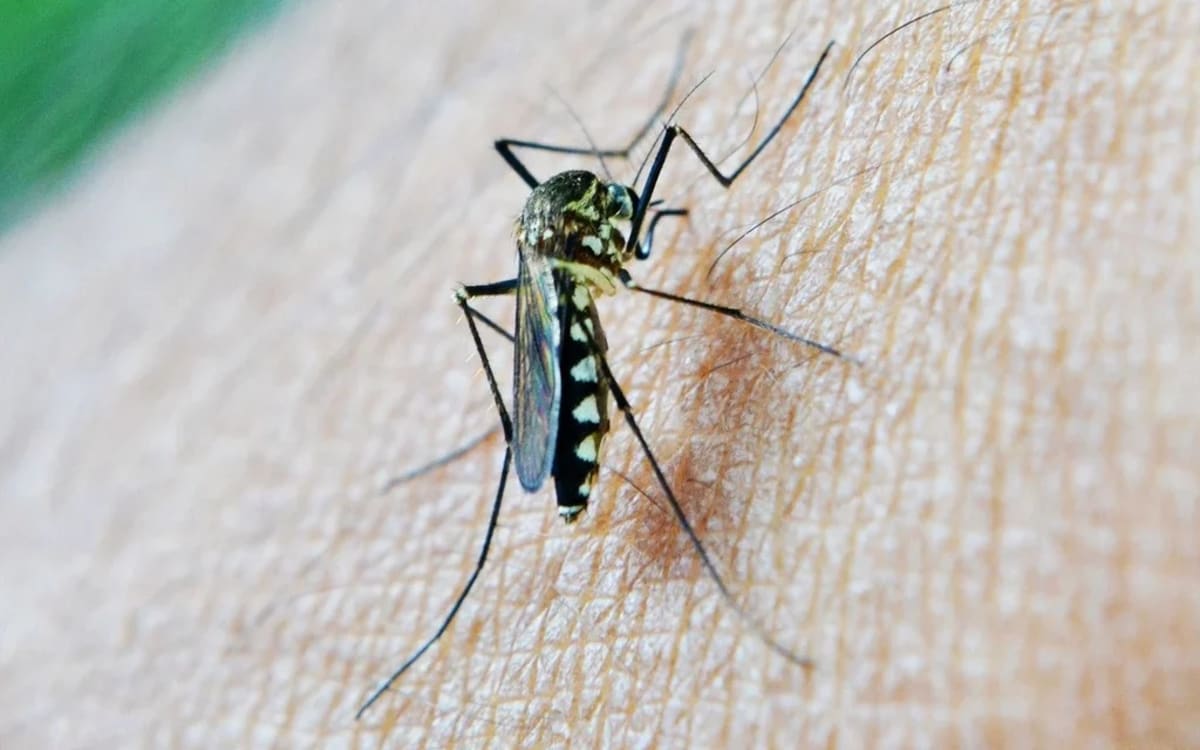
Nigeria is doubling down on its fight against one of the world's deadliest diseases, and the stakes have never been higher.
First Lady Oluremi Tinubu marked World Malaria Day 2026 with a powerful call to action, reaffirming Nigeria's commitment to ending the disease that claims countless lives each year. Her message was clear: collaboration, innovation, and community focus are the keys to victory.
The challenge is enormous. Nigeria shoulders 27% of the global malaria burden, according to the World Health Organization's 2022 report. An estimated 68 million cases occur in the country annually, with transmission happening year-round across different regions.
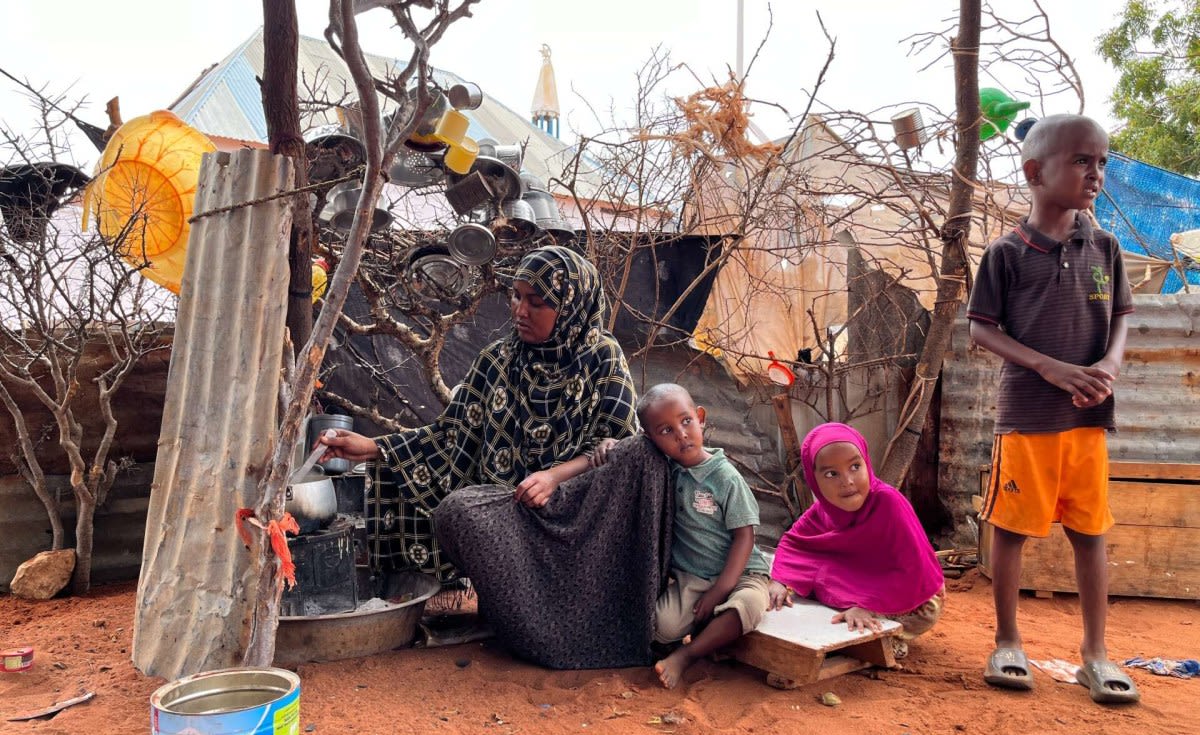
The disease hits hardest in northern and northeastern Nigeria, though southern regions face constant transmission throughout the year. Vulnerable communities bear the heaviest toll, making access to healthcare more critical than ever.
Tinubu emphasized that this fight requires everyone working together. She called for stronger prevention programs, expanded access to life-saving treatments, and increased funding from within Nigeria itself. Addressing drug resistance and healthcare inequality are also top priorities.
"When we stand united, we can achieve a malaria-free world," she said in her statement.
The Ripple Effect
Nigeria's renewed commitment could transform millions of lives across Africa. When the country carrying over a quarter of the world's malaria cases makes progress, the entire continent moves closer to elimination. Success here means healthier children attending school, parents working without illness, and communities thriving instead of just surviving.
This year's World Malaria Day theme captures the urgency perfectly: "Driven to End Malaria: Now We Can. Now We Must." It reflects both the tools available today and the moral imperative to use them. Advances in prevention, diagnosis, and treatment have never been stronger, making elimination truly possible for the first time.
The observance, established by WHO in 2007, has evolved from raising awareness to mobilizing concrete action. Each April 25th brings governments, health organizations, and communities together to measure progress and tackle remaining obstacles. Community engagement has proven essential for sustaining gains and preventing the disease from bouncing back.
Nigeria's pledge shows that even nations facing enormous health challenges refuse to give up, and that determination is already making waves across the global health community.
More Images



Based on reporting by Premium Times Nigeria
This story was written by BrightWire based on verified news reports.
Spread the positivity!
Share this good news with someone who needs it