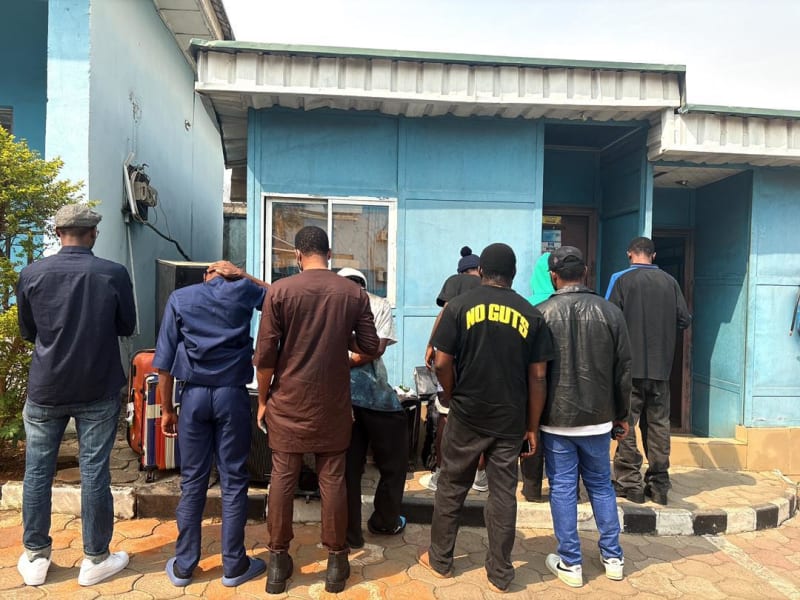
Nigeria Rescues 23 From Forced Cybercrime in Southeast Asia
Nigerian authorities just brought home 23 young people who were tricked with fake job offers and forced to run online scams in Southeast Asia. The rescue operation broke up a dangerous trafficking network that targeted skilled youth.
Twenty-three Nigerian young people are finally home safe after being rescued from a sophisticated trafficking operation that lured them to Southeast Asia with promises of scholarships and jobs, only to force them into cybercrime.
The National Agency for the Prohibition of Trafficking in Persons (NAPTIP) worked with partners in Myanmar, the British Government, and the Nigerian Embassy in Bangkok to bring the victims home from Thailand, Myanmar, Laos, and Cambodia. The rescue came just weeks after NAPTIP Director-General Binta Bello pledged stronger action against trafficking networks.
The traffickers deliberately targeted intelligent young Nigerians with computer and IT skills, promising them scholarships and good employment opportunities abroad. Once the victims arrived, they were trained in romance scams, cryptocurrency fraud, and fake investment schemes, then forced to target people in the United States, United Kingdom, Ethiopia, and Canada.
The rescued youth revealed they were housed in hostels with surveillance and given all the equipment they needed to carry out the scams. They were monitored constantly and forced to meet daily targets under threat of severe punishment.
The Ripple Effect
This rescue represents more than just 23 lives saved. It exposes a dangerous new trafficking pattern and helps authorities understand how these networks operate so they can protect future targets.
NAPTIP is now working with international partners to track down and arrest the trafficking ringleaders. The agency has reactivated connections across Southeast Asia and strengthened collaboration with civil society organizations to prevent similar operations.
The rescue also serves as an important warning to young job seekers. Traffickers have become increasingly sophisticated, packaging criminal operations as legitimate overseas opportunities with attractive benefits.
Bello noted that traffickers specifically sought out disciplined young people who don't drink or smoke, viewing them as more valuable for their operations. Some victims were even enrolled in language schools to learn Chinese and work as translators and customer service agents to better deceive targets.
The successful repatriation shows what's possible when agencies work together across borders. With strengthened international cooperation and increased awareness, authorities can dismantle these networks and bring more victims home safely.
These 23 young Nigerians now have a second chance at building the futures they originally sought.
Based on reporting by Vanguard Nigeria
This story was written by BrightWire based on verified news reports.
Spread the positivity!
Share this good news with someone who needs it